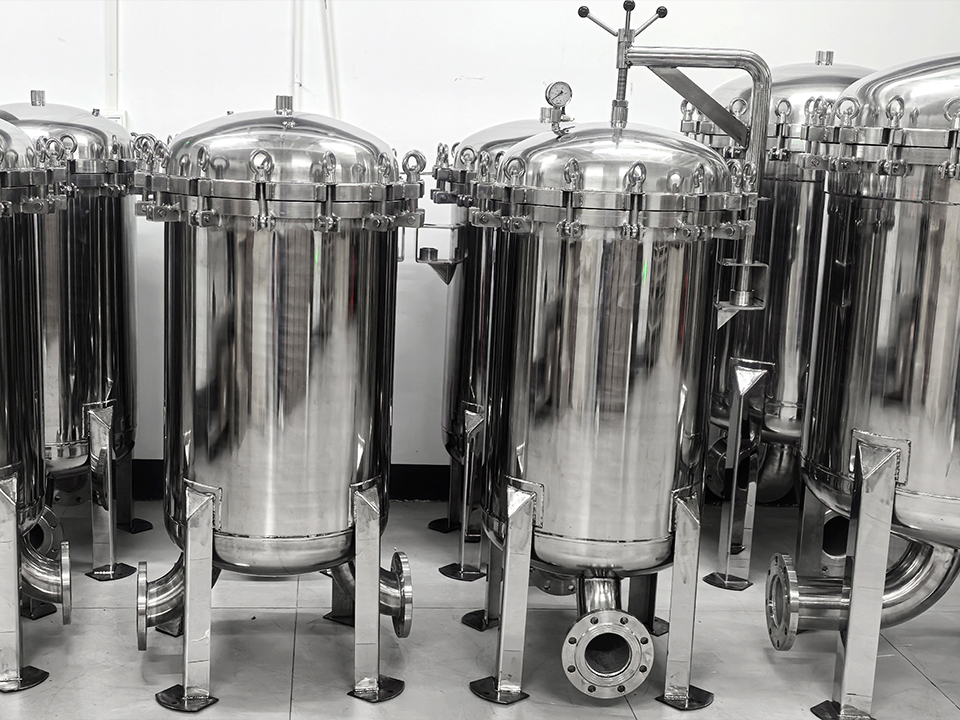
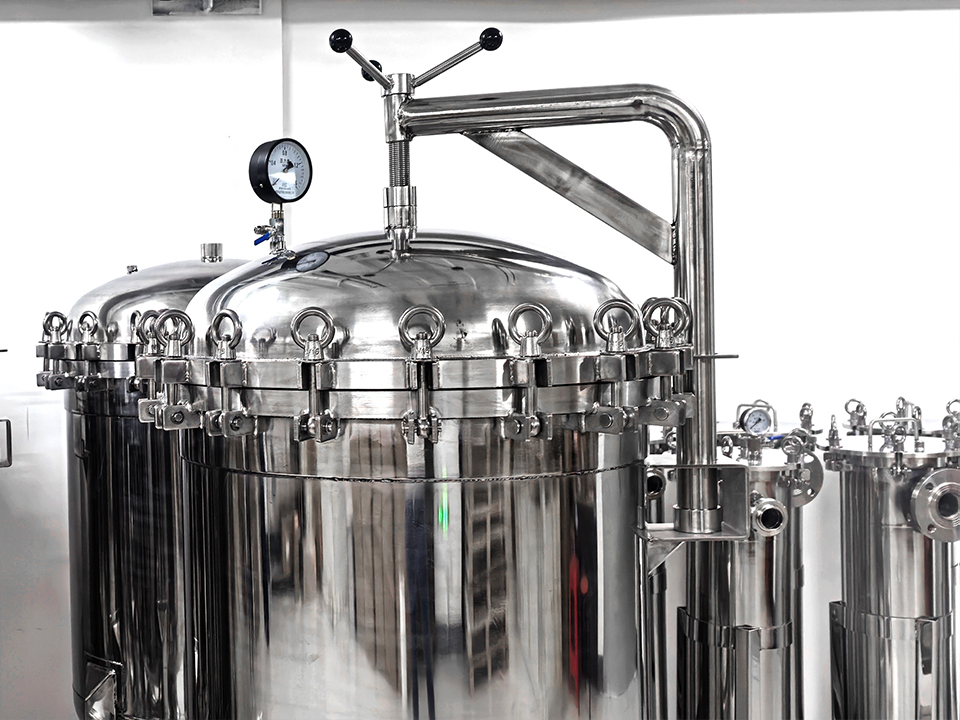
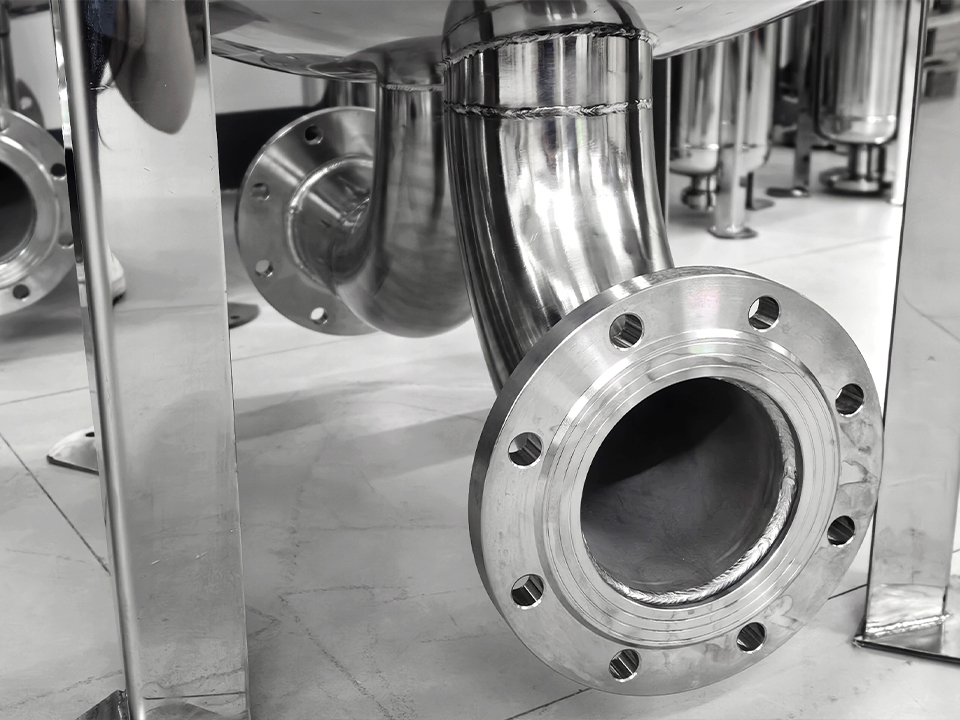
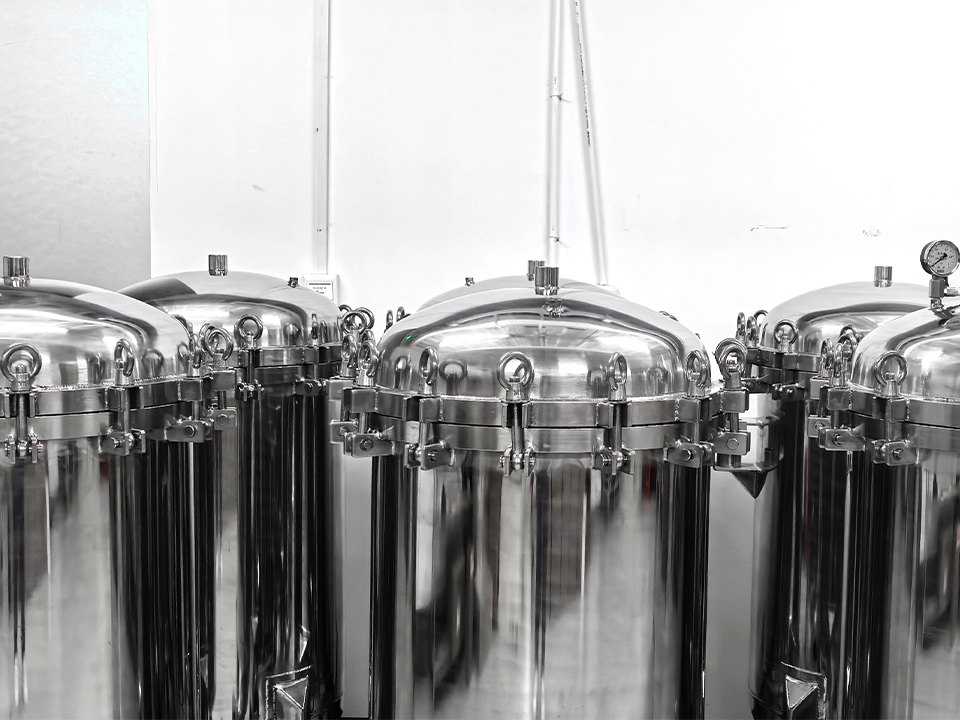
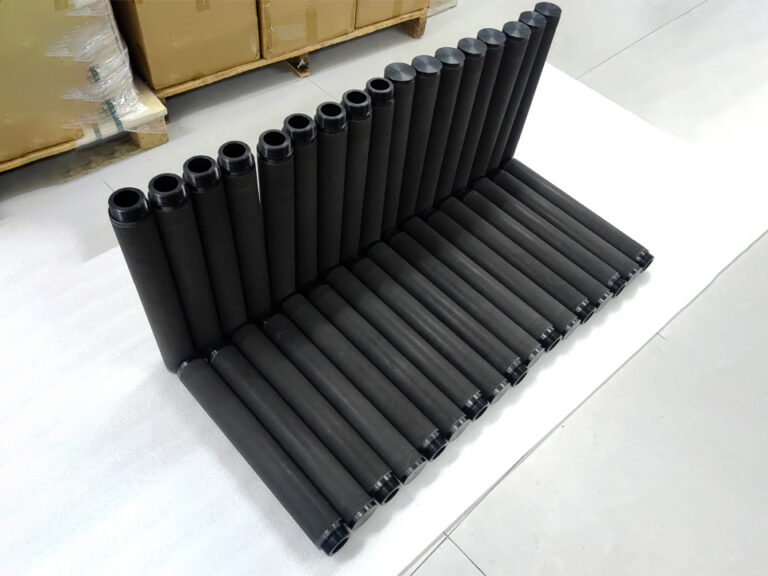
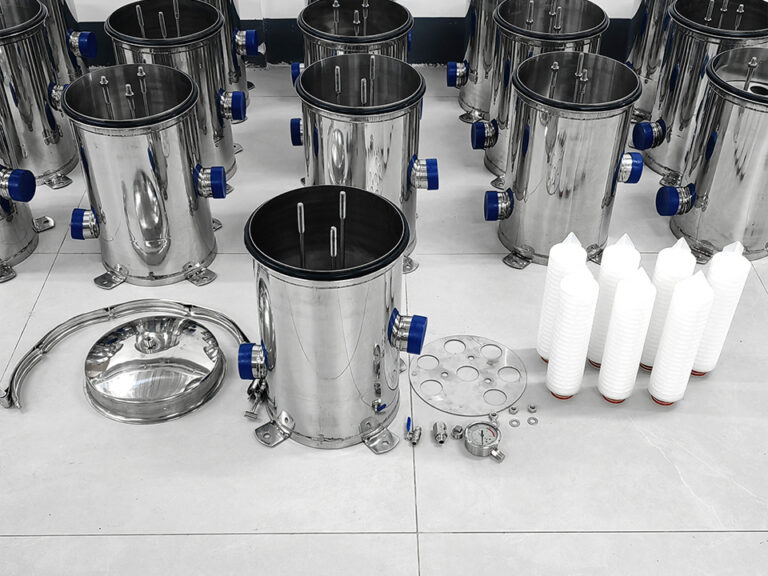
Guangzhou Lvyuan Water Purification Equipment Co., Ltd. é um fabricante de filtros industriais fundado em 2009 que projeta e fabrica carcaças de filtro de aço inoxidável, tanques de água estéril de aço inoxidável, elementos de filtro, sacos de filtro, materiais de ultra-polímero e produtos de filtro sinterizado. Os compradores escolhem a Lvyuan devido ao apoio OEM/ODM, ao controlo de qualidade ISO9001 e às certificações de vários países.
Guangzhou Lvyuan Water Purification Equipment Co., Ltd.
Acumulação de óleo nos invólucros dos filtros: diagnóstico e prevenção
Na verdade, já vi as equipas de manutenção alterarem os parâmetros três vezes num mês, amaldiçoarem o fornecedor, culparem a bomba, debaterem os valores em mícrons e, mesmo assim, ignorarem o anel preto de lamas oxidadas que se acumula debaixo da tampa do compartimento do filtro de óleo, como se fosse uma confissão assinada. Por que é que o setor imobiliário fica impune?
Porque a indústria lança novos cartuchos muito mais rapidamente do que demonstra às pessoas como é que a contaminação realmente ocorre.
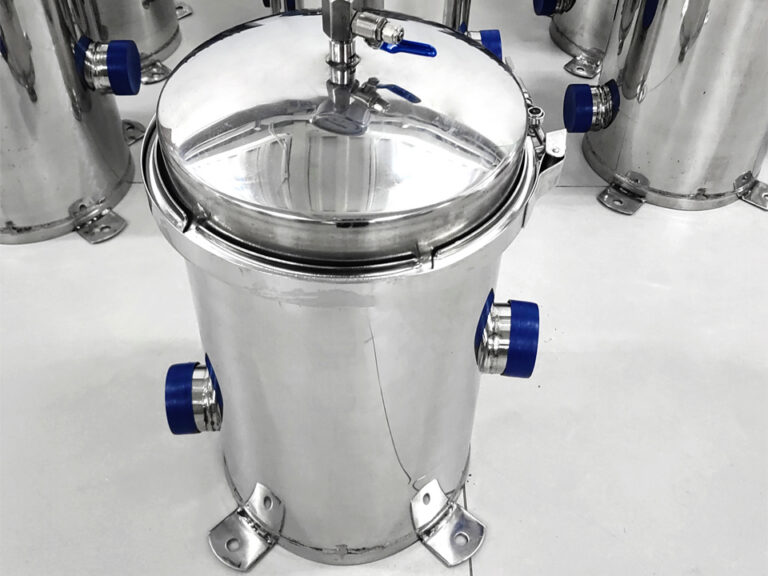
O corpo de um filtro de óleo não é um simples recipiente de aço passivo. É o local de um crime. Guarda um historial quente, exposição direta à humidade, perda de aditivos, falhas nas vedações, formação de verniz, utilização indevida do desvio, picos de tensão e a estupidez silenciosa de “enchemos com o que quer que fosse que tivéssemos à mão”. Em sistemas hidráulicos, caixas de velocidades, circuitos de lubrificação de compressores, skids de transferência de gasóleo e circuitos de óleo de processo, a contaminação do corpo do filtro de óleo surge normalmente após meses de pequenos pecados, e não devido a uma única falha significativa.
E eis a dura realidade: se o vosso grupo se limita a substituir o componente, está a deixar de fazer a manutenção da caixa do filtro. Está apenas a encenar uma farsa de rotina.
O problema das incrustações que ninguém quer assumir
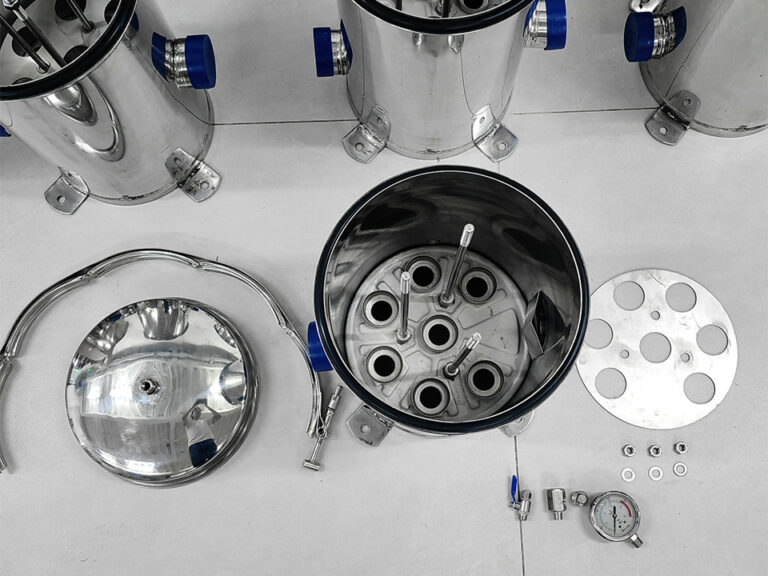
A obstrução do alojamento do filtro de óleo consiste na acumulação de óleo sujo, lamas, verniz, carbono, solução aquosa, partículas, corrosão, fragmentos de elastómero e resíduos de aditivos no interior da câmara do alojamento, da tampa, das roscas, do assento do elemento filtrante, do circuito de derivação, do bujão de drenagem e da ranhura do O-ring.
Essa interpretação parece bem organizada. A verdadeira confusão, porém, não é assim.
No terreno, vejo três grupos. Em primeiro lugar, lamas moles: uma pasta escura, frequentemente resultante de oxidação, resíduos, água ou mistura de óleos incompatíveis. Em segundo lugar, verniz difícil: uma laca castanho-âmbar que se agarra ao metal e que resiste a uma limpeza superficial. Em terceiro lugar, incrustações particuladas: areia, resíduos de aço, corrosão, fibras, pedaços de juntas, incrustações de tanques, escória de soldadura e tudo o que o último profissional tenha introduzido com um funil sem vedação.
A caixa do filtro de óleo não é responsável por tudo isto. Mas concentra-o.
A caixa de um filtro de óleo hidráulico é particularmente reveladora, uma vez que o óleo hidráulico funciona sob pressão, calor, cisalhamento, ar arrastado e o desgaste causado pelos aditivos. Quando a caixa fica obstruída, a pressão diferencial aumenta prematuramente, as válvulas de derivação começam a vibrar, a vida útil dos componentes diminui drasticamente e os operadores começam a fazer comentários infundados como “o filtro entope demasiado depressa”.”
Não. O sistema está depravado.
O diagnóstico começa antes de a caixa ser aberta
O primeiro erro de diagnóstico é abrir a caixa prematuramente.
Antes de alguém pegar numa chave de correia, registe os seguintes valores: pressão de entrada, pressão de saída, pressão diferencial, nível de temperatura do óleo, horas de funcionamento, volume de reabastecimento mais recente, tipo de óleo, classe de viscosidade ISO e o último código de limpeza ISO 4406, caso disponha de informações sobre a contagem de partículas. Gosto de ver as contagens de 4 µm(c), 6 µm(c) e 14 µm(c) lado a lado, porque revelam se o problema se deve a sedimentos finos, partículas de desgaste maiores ou a um aumento geral da contaminação.
Depois disso, analisa os hábitos.
Um invólucro que se suja lentamente ao longo de 500 horas de funcionamento revela uma situação diferente daquela em que um componente de 10 µm fica obstruído em dois turnos. A obstrução rápida pode ser causada pela entrada de água, perda de vedação, contaminação do reservatório, óleo inadequado, descanso insuficiente ou desgaste do elemento a montante. A obstrução lenta aponta normalmente para oxidação, calor, área de filtração reduzida, controlo de manutenção inadequado ou utilização do componente para além da sua capacidade real de retenção de impurezas.
Mais uma coisa: nunca confie numa amostra de óleo com aspeto limpo retirada do tabuleiro de drenagem. Recolha óleo num ponto em tempo real, agitado e representativo. As amostras de «zona morta» existem quase tanto quanto os folhetos de vendas.
Como se apresenta a acumulação de resíduos no interior do compartimento do filtro de óleo
Assim que o sistema estiver isolado, despressurizado, desligado e em condições seguras o suficiente para se poder trabalhar nele, abra o compartimento como se esperasse que surgissem indícios. Pois isso pode acontecer.
A presença de lodo preto no reservatório indica, geralmente, oxidação, fuligem, elevado stress térmico e tensão, ou intervalos de drenagem prolongados. A presença de uma camada amarelo-acastanhada na tampa e no tubo central sugere deterioração do óleo e ciclos de desligamento a quente. Um depósito leitoso indica a presença de água. A corrosão pode ser causada por condensação, armazenamento inadequado, respiradouros húmidos ou infiltração de água de lavagem. Pedaços de borracha sugerem danos no O-ring, escolha de elastómero incompatível ou vedantes antigos a desintegrarem-se devido à temperatura e aos agentes químicos.
É aqui que vou ser direto: se não verificares a ranhura do O-ring, a válvula de derivação, a mola, a orifício de drenagem e a sede do elemento, não inspecionaste o filtro de óleo a sério. Limitaste-te a abri-lo.
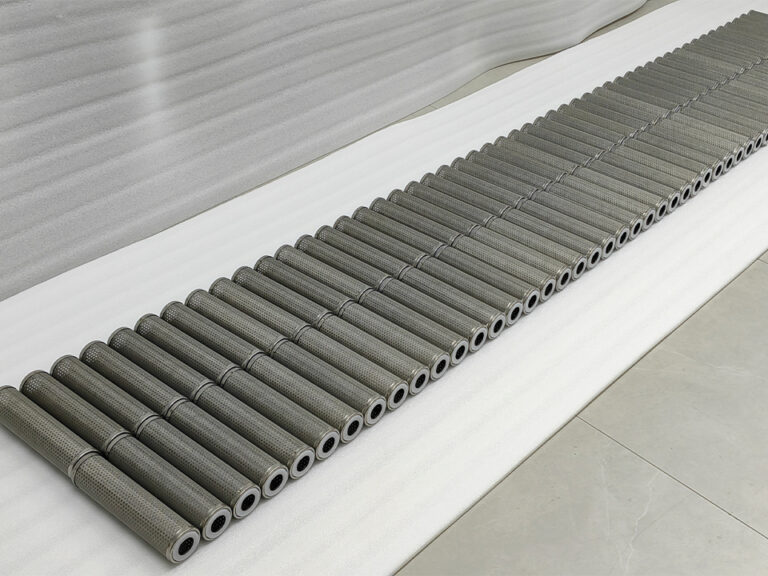
Nas instalações que tratam de fluxos de fluidos misturados, a lógica da pré-filtragem é importante. Um cartucho de meio filtrante de profundidade utilizado na filtragem de líquidos, tal como um Cartucho de filtro de profundidade rotativo em PP personalizável para filtração de líquidos e sistemas hidráulicos, mostra por que razão a estrutura de retenção de impurezas é importante: a carga em profundidade comporta-se de forma diferente da carga na superfície. Em soluções oleosas, o mesmo princípio aplica-se também quando os produtos e os requisitos de compatibilidade variam. A geometria do meio filtrante não é um elemento de conceção. Determina a forma como a contaminação se acumula, é liberada, fica retida ou é desviada.
Os Sete Malvados: As verdadeiras causas por trás dos problemas de filtragem do óleo
As questões relacionadas com a purificação do óleo são normalmente criticadas no que diz respeito aos componentes. Isso é muito prático. Além disso, é uma atitude preguiçosa.
Os sete reincidentes são:
Classificação incorreta em mícrons. Um elemento de 3 µm ou 5 µm num sistema sujo pode acabar por funcionar como um filtro sacrificial, em vez de um dispositivo de integridade. Mais fino nem sempre é melhor.
Contaminação da água. A água acelera a oxidação, corrói o aço, deteriora os ingredientes e cria soluções que obstruem os meios filtrantes. Valores de Karl Fischer superiores a 500 ppm merecem atenção em muitas aplicações hidráulicas e de lubrificação; acima de 1 000 ppm, começo a questionar quem é o responsável pelo programa de ventilação.
Oxidação térmica. O calor transforma o óleo em precursores de verniz. Uma caixa de alojamento próxima de um motor quente, da zona de descarga de um compressor, de uma conduta de vapor ou de um skid exposto ao sol pode transformar-se numa verdadeira fábrica de verniz.
Incorporação de ar. A espuma e as microbolhas aumentam o stress oxidativo e a ansiedade e provocam leituras de pressão irregulares. O óleo espumoso não é inofensivo. É o óleo a dar um sinal de alerta.
Conflito de vedantes. O NBR, o EPDM, o FKM/Viton, o silicone e o PTFE não se comportam exatamente da mesma forma em contacto com óleo, ingredientes, compostos aromáticos, calor ou produtos químicos de limpeza. Vedante incorreto, composição química incorreta, falha gradual.
Falta de rigor na substituição. Se o técnico abrir uma caixa com uma luva suja, deixar a tampa num chão sujo, reutilizar um anel O-ring amassado e aplicar óleo de um frasco aberto, a peça nova começa a sua vida com problemas.
Equipamentos de dimensões insuficientes. Os equipamentos de pequenas dimensões apresentam elevada velocidade, tempo de permanência reduzido, capacidade reduzida de retenção de poeira e comportamentos de tensão indesejáveis. O sobredimensionamento não é um desperdício quando o custo do tempo de inatividade é de $8 000 por hora.
Tabela de diagnósticos médicos: O que o mercado imobiliário lhe está a dizer
À prova de água
Provavelmente criar
O que verificar a seguir
Evitar a mudança
Pasta preta numa tigela
Oxidação, fuligem, longa duração do óleo, calor
TAN, variação da viscosidade, idade do óleo, registo do nível de temperatura
Reduzir o intervalo entre os tubos de escoamento, diminuir o calor, melhorar a descarga
Filme sobre o verniz âmbar
Tensão térmica, deterioração dos aditivos
Teste de verniz MPC, encravamento do servo, histórico de fechos a quente
Melhor refrigeração, controlo da formação de verniz e práticas de desligamento mais rigorosas
Resíduo leitoso
Entrada de água ou condensação
ppm de Karl Fischer, problema de resíduos, espaço livre no tanque de armazenamento
Substituição de dessecantes, reparação de vedantes, eliminação de água
Corrosão no interior da caixa
Água, armazenamento inadequado, ambiente húmido
Avaliação de tanques de armazenamento, exposição à lavagem com jato de água, vedação da tampa
Armazenamento a seco, vedantes muito mais eficazes, estruturas resistentes à corrosão
Pedaços de borracha
Avaria na vedação
Material do O-ring, compatibilidade química, temperatura
Utilize o elastómero adequado e substitua as juntas em cada solução
Pressão diferencial elevada na fase inicial
Sobrecarga de aspetos ou pontuação de mícron incorreta
ISO 4406, válvula de corte do bypass, caudal, viscosidade
Filtragem de fase, caixa mais grande, transferência de óleo mais limpa
Prato com aspeto limpo, mas sujo
Assentamento na zona morta
Orifícios de drenagem, geometria da sanita, processo de limpeza
Manter o imóvel arrumado durante todo o processo de mudança, não apenas na aparência
Prevenção: Deixem de tratar o cartucho como se fosse uma esponja mágica
As melhores práticas para impedir a obstrução do filtro de óleo são monótonas, repetitivas e eficientes. É por isso que as equipas de manutenção menos competentes as evitam.
Começando por uma transferência de óleo bem organizada. O óleo novo não é, automaticamente, óleo limpo. Prefiro carrinhos de transferência seguros, mangueiras específicas, conexões rápidas, filtragem com classificação beta e recipientes identificados para óleos ISO VG 32, 46, 68, 100 e 150. Não deixe que o óleo hidráulico partilhe dispositivos com o óleo de equipamento, a menos que goste de investigar conflitos entre aditivos.
Controle o lado do ar. Os apoios do reservatório, as juntas dos recipientes, as juntas dos eixos, as tampas de enchimento e as tampas de inspeção são importantes. Um filtro de óleo com boa localização não consegue compensar o facto de um depósito estar a aspirar ar húmido da fábrica durante 18 meses.
A utilização prevê a filtragem quando a contaminação é elevada. A pré-filtragem grossa protege os elementos mais finos. A mesma lógica comercial aplica-se a sistemas com grande quantidade de sedimentos, onde um Cartucho de pré-filtro de malha de nylon ou de aço inoxidável lavável, com 80 mícrons remove os fragmentos maiores antes da filtração mais fina. Os sistemas de óleo exigem exatamente a mesma disciplina: não se pode esperar que um filtro fino tenha de limpar cada pedaço, fibra e lasca de ferrugem presente no circuito.
Determine as dimensões da caixa com rigor. O preço de circulação, a viscosidade, a temperatura, a carga de impurezas, a configuração do desvio e a área dos componentes devem determinar a escolha. Já vi clientes obcecados com o preço do cartucho, ignorando o custo de uma caixa que é demasiado pequena em 30%. Isso é o departamento de compras a fazer-se passar por engenharia.
Limpe o recipiente e a tampa sempre. Não apenas em alguns casos. Sempre. Limpe, inspecione, drene, verifique se a válvula de derivação se move, examine a mola, verifique as roscas, substitua a junta e registe os resíduos. Um O-ring $3 pode danificar uma unidade hidráulica $60 000 se as pessoas forem descuidadas.
Opção de alojamento: onde as instruções de filtragem de água ainda se aplicam
A manutenção de sistemas de óleo não é igual à manutenção de sistemas de água. A compatibilidade, a temperatura, a pressão, a viscosidade e as características químicas do fluido variam. No entanto, os princípios geométricos aplicam-se igualmente.
Um sistema de maior dimensão proporciona uma área de filtração adicional, maior capacidade de retenção de resíduos e uma menor queda de pressão, se for devidamente selecionado. É por isso que os sistemas de grande formato, tais como um Cartucho de filtro jumbo de 5 mícrons, tipo Big Blue são comuns em aplicações com caudais elevados de água: filtros de maior dimensão podem reduzir a velocidade e prolongar a vida útil. No caso do óleo, filtros de maior dimensão e componentes com maior capacidade de retenção de impurezas desempenham a mesma função económica básica, desde que os materiais sejam compatíveis com o óleo.
O Cartuchos de filtro com caixa «Large Blue» de 10 e 20 polegadas destaca igualmente a importância do comprimento. Um componente de 20 polegadas oferece, geralmente, uma área maior do que uma variante de 10 polegadas, o que pode reduzir a frequência de substituição em condições semelhantes de caudal e níveis de contaminação. Na escolha do corpo do filtro de óleo hidráulico, essa lógica torna-se ainda mais importante, uma vez que os arranques a frio, a elevada viscosidade e os picos de pressão prejudicam os conjuntos de dimensões insuficientes.
E, a seguir, temos a química dos depósitos de calcário. Os sistemas de água utilizam produtos como um Cartucho anticalcário Siliphos para problemas relacionados com o controlo de minerais. Os sistemas de óleo enfrentam os seus próprios desafios químicos: oxidação, deficiência de aditivos, formação de ácido, verniz, água e compatibilidade com elastómeros. Química diferente, mas a lição é sempre a mesma. Se ignorarmos a química, o filtro acaba por pagar as consequências.
O meu ponto de vista: o esforço diferencial é sobrevalorizado quando utilizado isoladamente
O diagnóstico diferencial é útil. Não constitui um diagnóstico.
Um aumento do ΔP pode indicar que o componente está a funcionar corretamente. Ou que o óleo está frio. Ou que a viscosidade está incorreta. Ou que a válvula de derivação está encravada. Ou que o meio filtrante está obstruído. Ou que a água transformou o meio filtrante numa camada húmida. Ou que alguém instalou o componente errado. Por isso, quando um painel de controlo exibir a mensagem “restrição do filtro”, não corra para a arrecadação como um animal de estimação experiente.
Dá uma vista de olhos em todo o sistema.
Uma inspeção significativa do filtro de óleo recorre a, no mínimo, 4 fontes de informação: tendência da pressão, análise do óleo, avaliação física dos depósitos e histórico de manutenção. Incluir partículas, teor de água (método de Karl Fischer), viscosidade a 40 °C, TAN, teor de ferro e análise dos componentes, se o ativo for relevante. Se o ativo não for relevante, aplicar penalização. Manter a substituição dos filtros e atribuir o tempo de inatividade às condições meteorológicas.
Evitar fugas no filtro de óleo não se resume simplesmente a apertar com mais força
As fugas em torno das caixas dos filtros de óleo resultam normalmente de práticas inadequadas: vedantes reutilizados, elastómero incorreto, tampas apertadas em excesso, ranhuras danificadas, assentos irregulares, ciclos térmicos, ressonância e picos de tensão.
Apertar com mais força pode agravar a fuga.
Um O-ring amassado perde a memória de compressão. Uma ranhura riscada acaba por se tornar uma via de fuga. Um produto de vedação inadequado incha, encolhe, endurece ou racha. Uma rosca da tampa contaminada com areia pode ser apertada de forma irregular e induzir o técnico de manutenção a pensar que a caixa está bem encaixada. Na verdade, já vi também caixas a apresentar fugas porque a superfície não tinha sido totalmente limpa e uma fina faixa de lodo permanecia ao longo da face da vedação, como se fosse um pequeno dispositivo de sabotagem.
Para evitar fugas na área do filtro de óleo, registe os critérios por escrito. Defina o tipo de vedante a utilizar. Substitua os vedantes durante a manutenção de rotina. Lubrifique os anéis O-ring com óleo adequado. Inspecione as ranhuras com uma lanterna. Recorra à ajuda de um dinamómetro, sempre que disponível. Mantenha tampas e bujões de drenagem sobressalentes à disposição. Forme o pessoal para que não utilize chaves de tubos como se fossem ferramentas da Idade Média.
Um regime de manutenção prático que realmente funciona
Uma rotina adequada de manutenção de filtros imobiliários tem o seguinte aspeto:
Registe a tensão, a temperatura, o tempo de funcionamento e o estado do óleo antes do desligamento.
Isolar e despressurizar o sistema.
Limpe o exterior antes de abrir a caixa.
Retire o componente sem descarregar o pó capturado de volta para o recipiente.
Inspecione as pregas laterais, as tampas das extremidades, a adesividade, os indicadores de colapso e a presença de manchas.
Esvazie os tubos de escoamento e limpe o prato.
Verifique o movimento de fecho do desvio.
Inspecione a ranhura do O-ring, os cordões da tampa, a mola, o tubo de instalação e a abertura do tubo de drenagem.
Substituir as juntas.
Instale o componente adequado, cuja classificação em mícrons, rácio beta, sentido de circulação e compatibilidade com o produto tenham sido confirmados.
Reabasteça ou reative, utilizando práticas adequadas de manuseamento de óleo.
Registe o ΔP após a reativação e compare-o com o valor de referência.
Esse anúncio não é nada glamoroso. A boa manutenção quase nunca o é.
Lista de verificação de medidas preventivas para clientes e projetistas de instalações
Fator decisivo
Seleção fraca
Uma seleção muito melhor
Dimensão imobiliária
Antena parabólica pequena mais económica
Caixa dimensionada em função do caudal, da espessura, da carga de poeira e do ΔP no arranque a frio
Escolha do elemento
“Tem exatamente o mesmo tamanho, é suficientemente parecido”
Pontuação correta em microns, proporção beta, material de vedação e classificação de colapso
Transferência de petróleo
Abra o jarro e o funil
Carrinho de transporte filtrado e seguro
Intervalo de alteração
Substituto só de calendário
Oscilação da pressão, avaliação do óleo e avaliação
Limpeza
Substituir apenas o elemento
Limpar o prato, a tampa, a ranhura, o desvio e o tubo de escoamento
Selos
Recicle o O-ring usado
Substituir por NBR, FKM, EPDM, silicone ou PTFE adequados
Investigação
Cartucho de culpa
Aspectos da autópsia e análise dos resíduos encontrados no alojamento
PERGUNTAS FREQUENTES
O que provoca a acumulação de resíduos de óleo nos invólucros dos filtros?
A acumulação de resíduos de óleo nos conjuntos de filtros consiste na acumulação de lubrificante degradado, verniz de oxidação, lamas de partículas, água, resíduos de aditivos e detritos de vedantes no interior do prato, da tampa, das roscas, do circuito de derivação e da sede do componente, onde restringe a circulação, distorce as leituras da pressão diferencial e contamina qualquer elemento novo instalado.
As causas mais comuns são a transferência de óleo sujo, o calor, a entrada de água, a incorporação de ar, a mistura incorreta de óleos, o controlo inadequado do respiradouro, componentes desgastados e práticas de manutenção deficientes. O sistema de respiradouro acaba por ser o ponto de acumulação, pelo que, frequentemente, revela a avaria antes do próprio tanque de armazenamento.
Como se deteta a acumulação de óleo nos conjuntos de filtros?
Para diagnosticar a acumulação de óleo nos compartimentos do filtro, deve-se comparar a tensão diferencial, a qualidade do óleo, o teor de água, os valores de temperatura, os resultados da análise do elemento filtrante, os problemas nas juntas, o funcionamento da válvula de derivação e os resíduos no recipiente, uma vez que esses compartimentos costumam reter indícios após o sistema ter sido drenado, lavado ou submetido a uma análise que tenha apontado o componente errado como causa do problema.
Comece por analisar as variações nos níveis de pressão e temperatura e, em seguida, examine o componente removido e o sedimento. Recorra à contagem de partículas segundo a norma ISO 4406, ao ensaio de água por Karl Fischer, à densidade a 40 °C, ao índice TAN e à avaliação visual de resíduos para obter um diagnóstico fundamentado.
Com que frequência deve ser realizada a manutenção dos filtros imobiliários?
A manutenção do alojamento do filtro deve ser definida com base nos níveis de contaminação e nas variações de pressão, e não apenas com base num calendário, uma vez que um alojamento de filtro de óleo hidráulico exposto à humidade, a ciclos de aquecimento e arrefecimento, a respiradouros deficientes ou a misturas de lubrificantes pode ficar obstruído em poucas semanas, enquanto um circuito limpo e vedado pode funcionar por muito mais tempo.
No caso de ativos de elevado valor, inspecione o imóvel sempre que for realizada uma alteração em qualquer componente e registe o tipo de resíduos. No caso de sistemas sujos ou húmidos, reduza a frequência das inspeções até que as tendências de pressão e a análise do óleo se estabilizem.
Um compartimento do filtro de óleo sujo pode danificar um elemento filtrante novo?
Um compartimento do filtro de óleo sujo pode danificar um elemento filtrante novo, uma vez que os resíduos antigos, o óleo oxidado, a corrosão, os fragmentos de fibra e as partículas de elastómero inchadas permanecem na área da câmara e da tampa, acabando por contaminar rapidamente o meio filtrante limpo quando o fluxo é reiniciado e a pressão diferencial aumenta repentinamente.
É por isso que a manutenção “apenas dos componentes” deixa de funcionar. A caixa deve ser limpa, as juntas substituídas, o desvio inspecionado e o sistema reiniciado, garantindo que o manuseamento do óleo limpo seja verificado.
Quais são as técnicas mais eficazes para evitar a obstrução do filtro de óleo?
As técnicas mais eficazes para impedir a obstrução do filtro de óleo são: a transferência de óleo de forma organizada, o dimensionamento correto do alojamento, a filtração em etapas, a exclusão de água, o controlo do repouso, as verificações de compatibilidade das juntas, a avaliação do óleo, a análise do elemento filtrante, a limpeza do reservatório e o registo dos valores de pressão diferencial após cada intervenção de manutenção.
Não se concentre nas classificações em mícrons de forma irrefletida. Utilize o filtro adequado tendo em conta a quantidade de impurezas, a viscosidade, a temperatura, a pressão, o caudal e o risco de avaria do sistema.
Conclusão
Se o seu filtro de óleo continuar a apresentar incrustações, não compre novos elementos por impulso. Envie o tipo de óleo, o caudal, a temperatura de funcionamento, os dados de pressão, a classificação em mícrons pretendida, o material da vedação, o tamanho da caixa e os sintomas de contaminação a um fornecedor de serviços de purificação antes da próxima paragem. A conversa adequada deve abranger a geometria do filtro, o meio filtrante, a compatibilidade dos anéis O-ring, o comportamento do desvio e a capacidade real de retenção de impurezas – e não apenas o preço por cartucho.