Guangzhou Lvyuan Water Purification Equipment Co., Ltd. é um fabricante de filtros industriais fundado em 2009 que projeta e fabrica carcaças de filtro de aço inoxidável, tanques de água estéril de aço inoxidável, elementos de filtro, sacos de filtro, materiais de ultra-polímero e produtos de filtro sinterizado. Os compradores escolhem a Lvyuan devido ao apoio OEM/ODM, ao controlo de qualidade ISO9001 e às certificações de vários países.
Guangzhou Lvyuan Water Purification Equipment Co., Ltd.
Os filtros de plástico poroso sinterizado da Lvyuan são componentes poliméricos rígidos concebidos com poros interligados que permitem a passagem controlada de líquidos ou gases através do corpo do filtro. O plástico poroso sinterizado é normalmente produzido a partir de materiais como o PE, o polietileno de peso molecular ultra-elevado (UHMWPE), o polipropileno, o PTFE e o PVDF, sendo a seleção do material adaptada ao ambiente real do processo.
Solução Integral
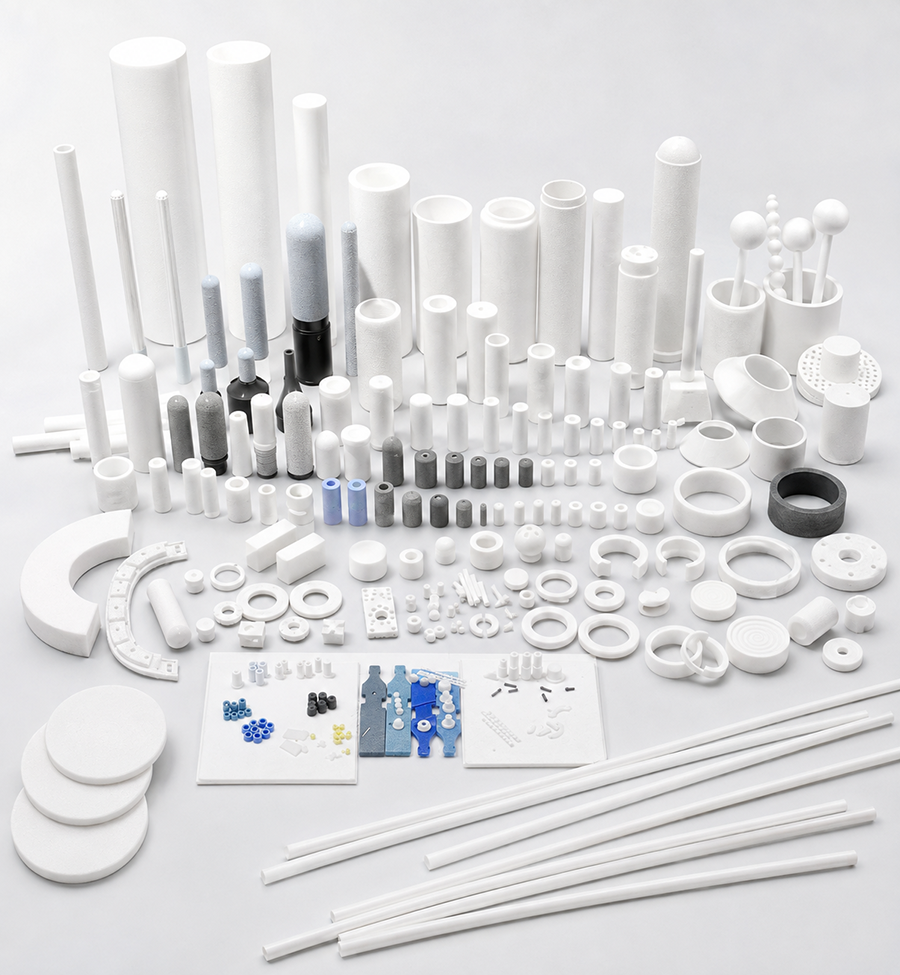
Filtros, cartuchos, discos e componentes de plástico sinterizado personalizados – Lvyuan
O fabrico personalizado é útil quando um cartucho de filtro padrão não se adapta ao conjunto, ou quando o componente poroso tem de combinar a filtração com uma função estrutural, de ventilação, de difusão ou de silenciamento.
1. Geometria
Diâmetro exterior e interior, comprimento, espessura, tubo, disco, placa, copo, cilindro ou outra forma 2D/3D viável.
2. Interface
As roscas, os conectores, as superfícies maquinadas, os orifícios, os acessórios e as características de montagem podem ser analisados em função dos requisitos relativos às ferramentas e às tolerâncias.
3. Meta de desempenho
O material, as características dos poros, o comportamento de fluxo e os requisitos estruturais devem ser definidos em conjunto, em vez de serem especificados separadamente.
Gama de filtros de plástico poroso sinterizado para utilização OEM e industrial
As configurações podem variar consoante o material utilizado (PE, UHMWPE, PP, PTFE, PVDF ou outro material adequado), bem como as características dos poros, as dimensões, a espessura da parede, a geometria e os requisitos de ligação e de aplicação. A disponibilidade final deve ser confirmada em função das condições de funcionamento e da viabilidade de fabrico.
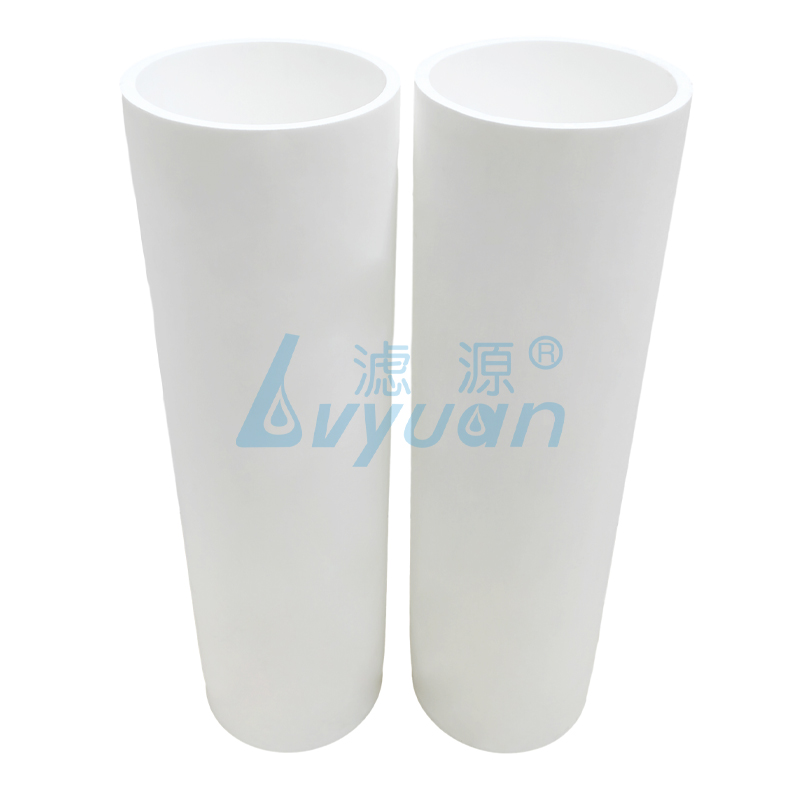
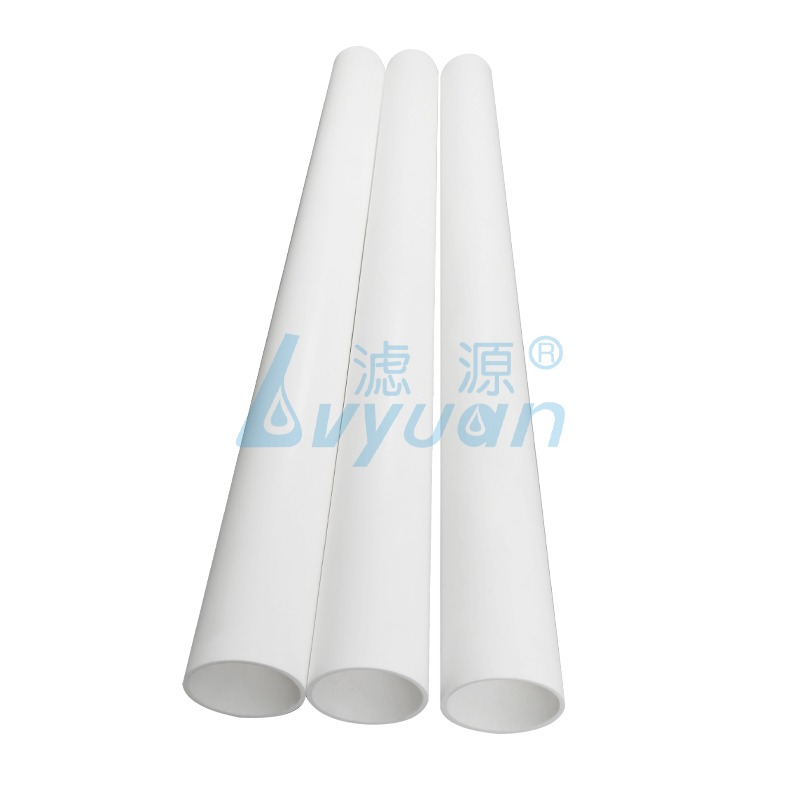
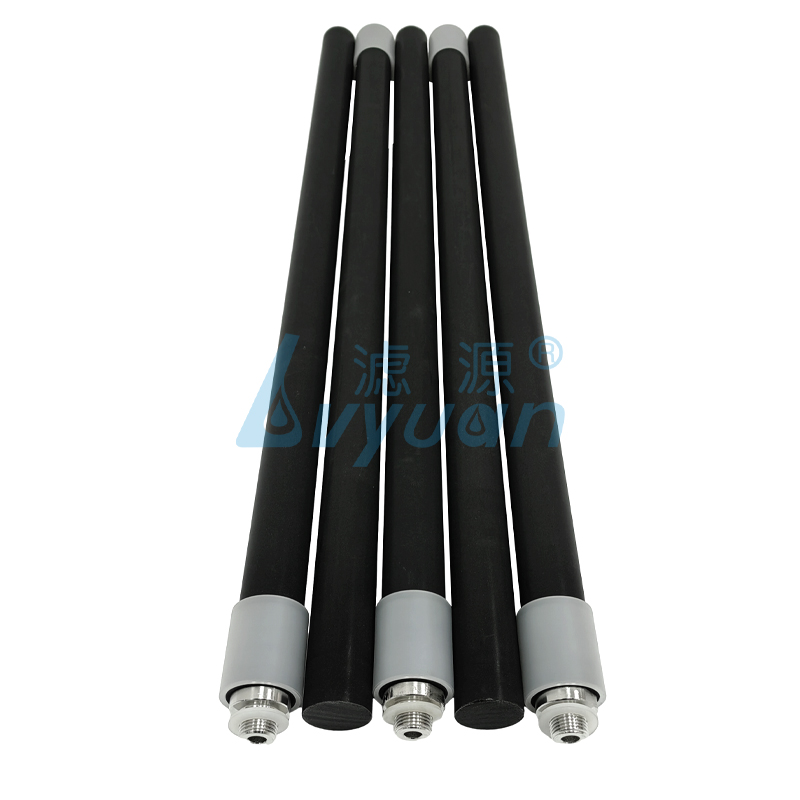
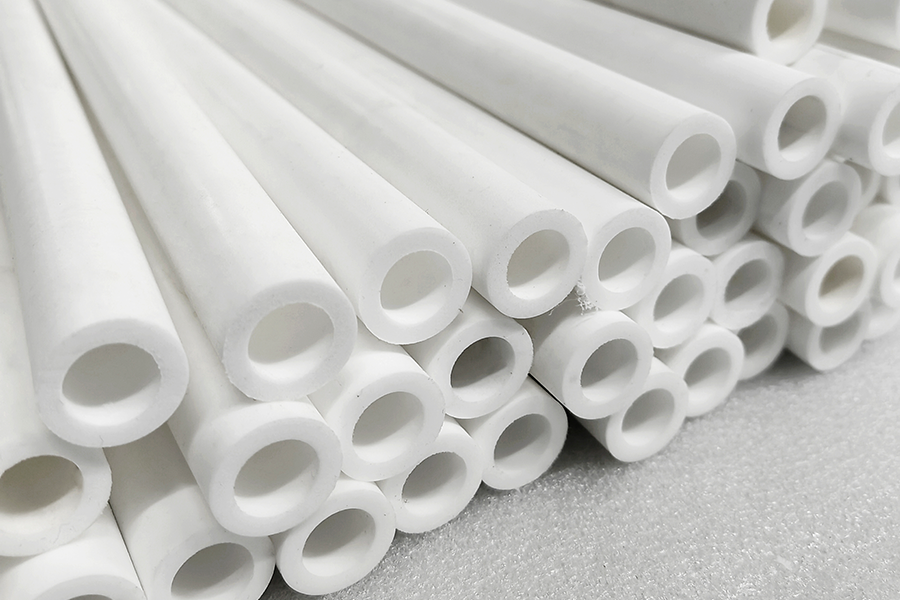
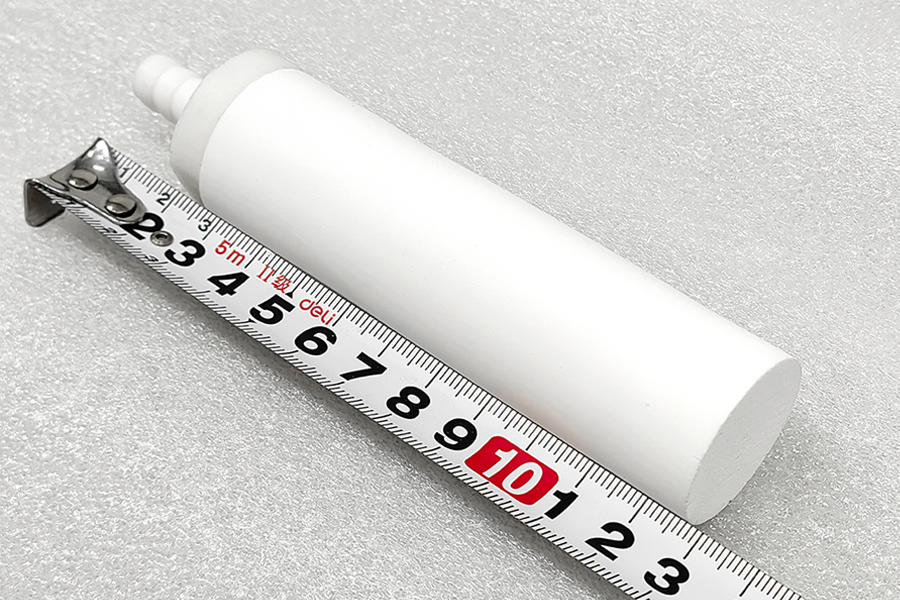
O tubo de cartucho de filtro poroso sinterizado de UHMW-PE da Lvyuan apresenta poros uniformes, elevada resistência e uma remoção fiável de partículas, sendo adequado para utilização com água, produtos químicos e líquidos industriais.
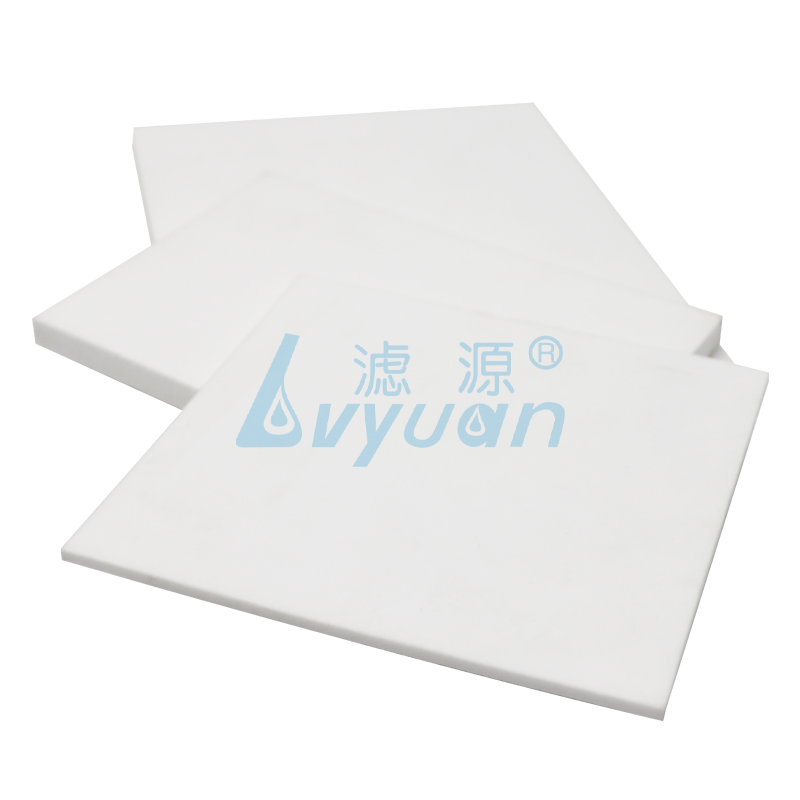
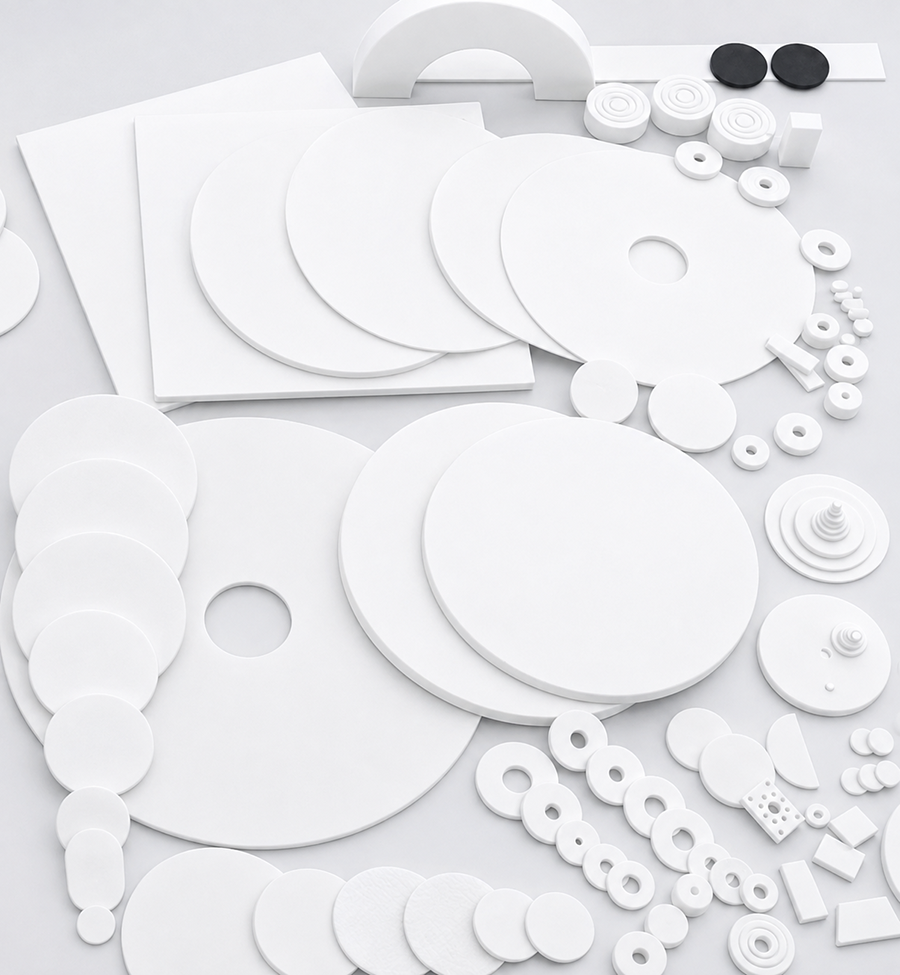
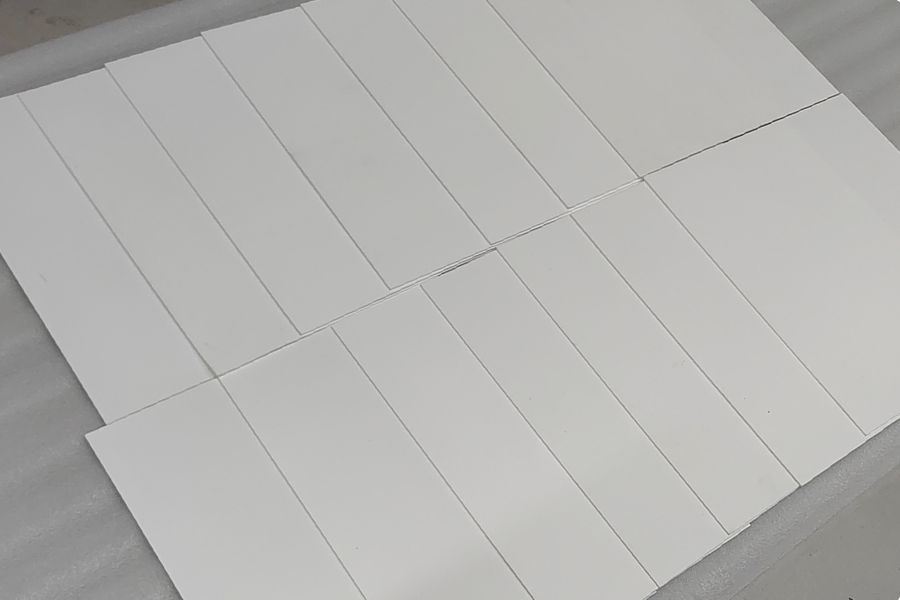
A placa filtrante porosa de PE sinterizado da Lvyuan oferece uma estrutura porosa rígida e leve para uma filtração fiável de partículas em água, produtos químicos, gases e sistemas industriais.
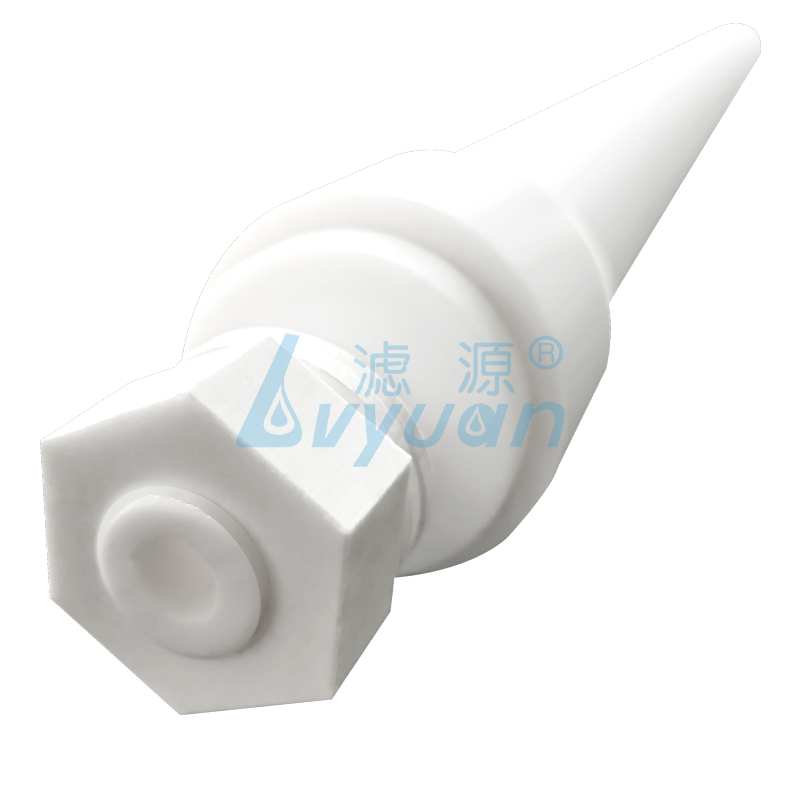
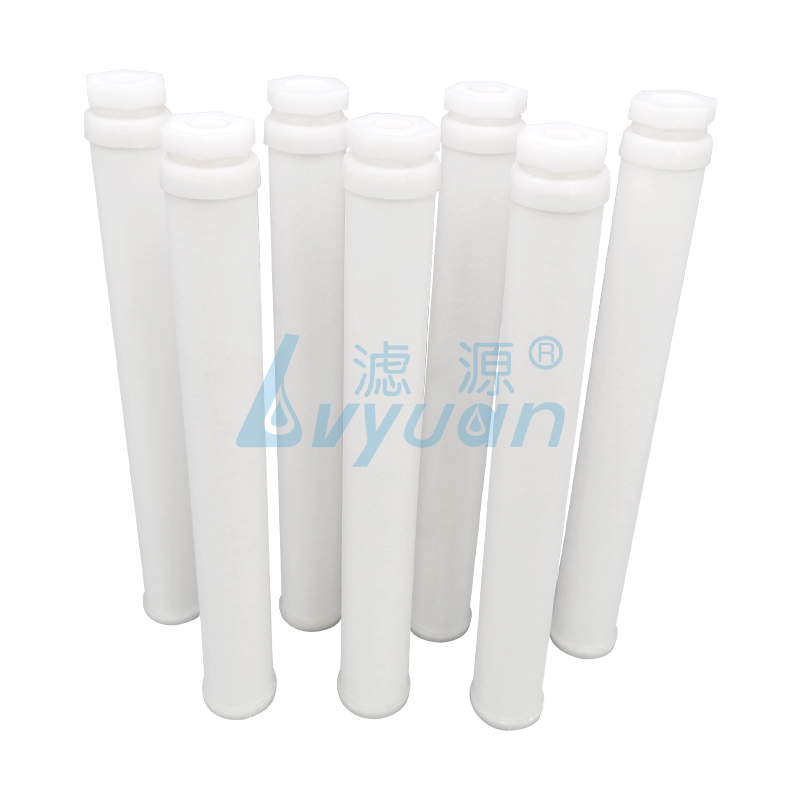
O cartucho filtrante poroso de PTFE sinterizado da Lvyuan apresenta poros uniformes e elevada resistência química e térmica, sendo ideal para a filtração precisa de líquidos e gases. .
A caixa de filtro com múltiplos sacos em aço inoxidável da Lvyuan é uma unidade de filtração de alto caudal que utiliza vários sacos filtrantes para remover partículas dos líquidos utilizados em processos industriais.
O filtro de sucção em cartucho auto-vedante de PE sinterizado da Lvyuan permite a passagem do ar quando está seco e bloqueia automaticamente o líquido assim que entra em contacto com ele, protegendo os sistemas de vácuo contra a contaminação.
O filtro de alimentador a vácuo sinterizado Lvyuan proporciona uma porosidade uniforme, uma separação eficiente do pó e um fluxo de ar fiável para sistemas de transporte a vácuo, transferência de pós e sistemas de alimentação.
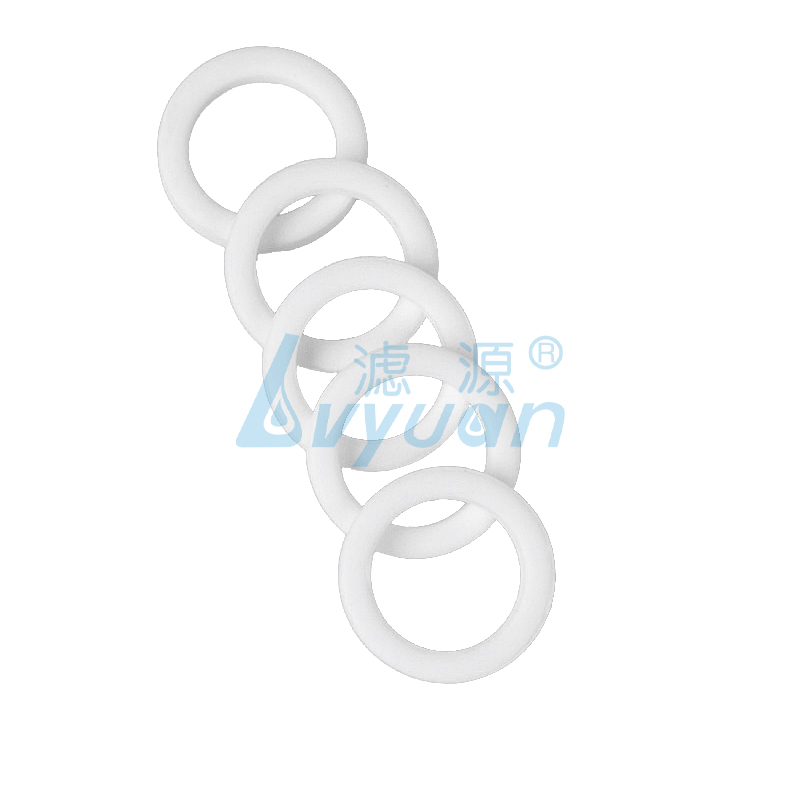
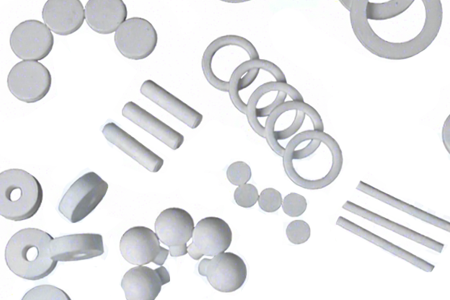
O filtro de anel de PE poroso sinterizado da Lvyuan oferece poros uniformes, resistência química e uma filtração fiável de partículas para equipamento OEM e sistemas de filtração industrial.
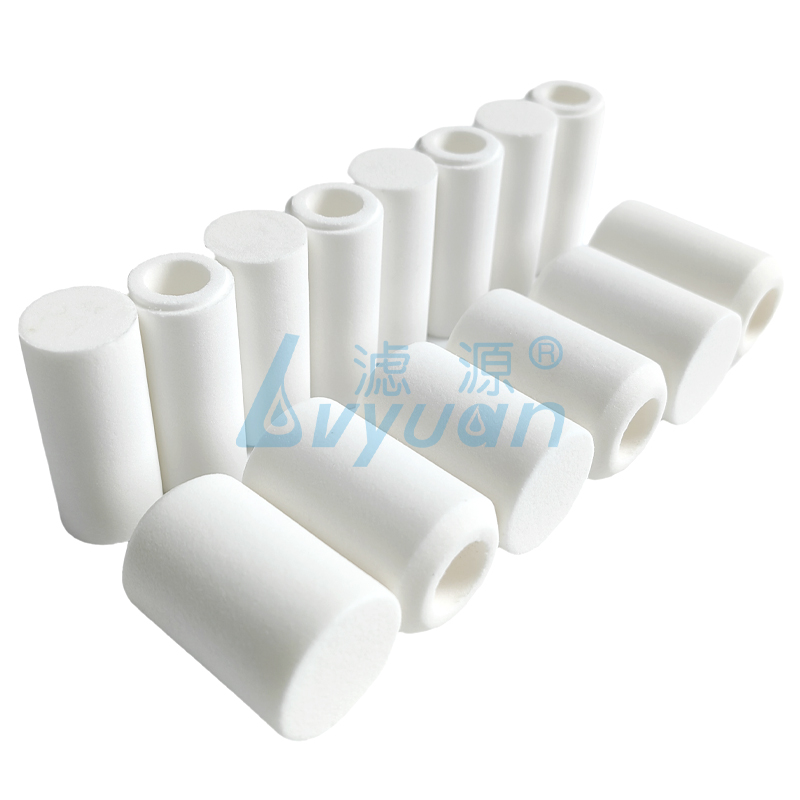
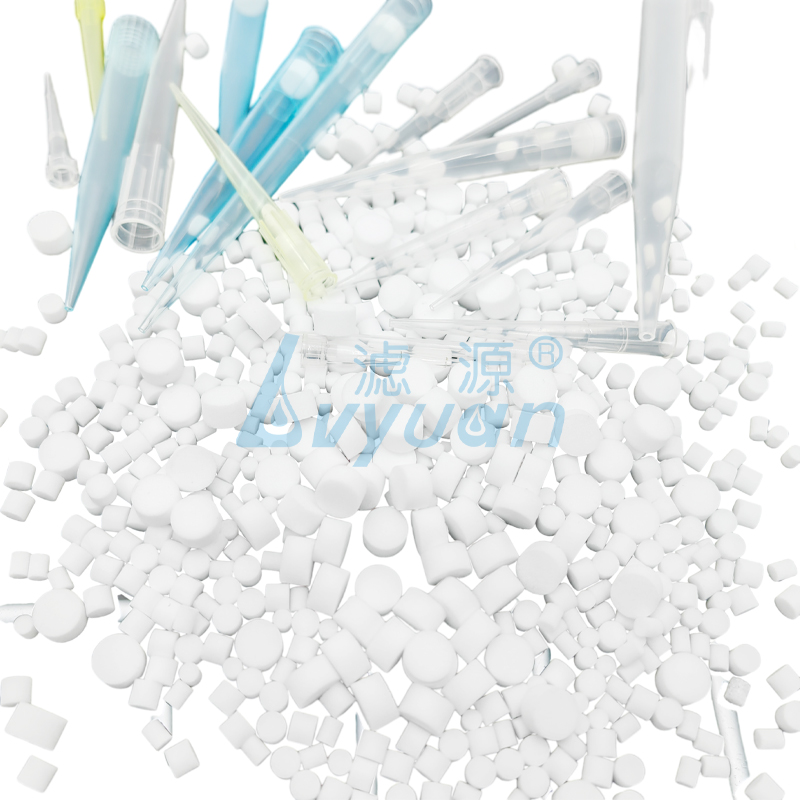
Os tampões filtrantes porosos para pontas de pipeta Lvyuan utilizam PE poroso uniforme para bloquear aerossóis e líquidos, ajudando a proteger as pipetas e as amostras contra a contaminação cruzada na utilização laboratorial.
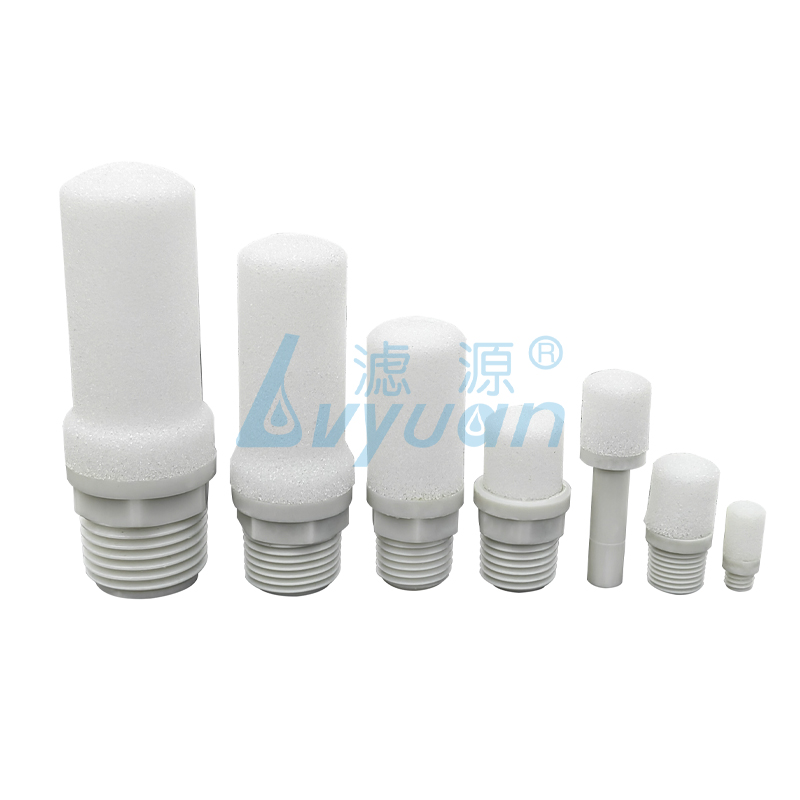
O silenciador pneumático de plástico poroso Lvyuan PE reduz o ruído de escape, mantém um fluxo de ar estável e resiste à corrosão em válvulas pneumáticas, cilindros e sistemas pneumáticos.
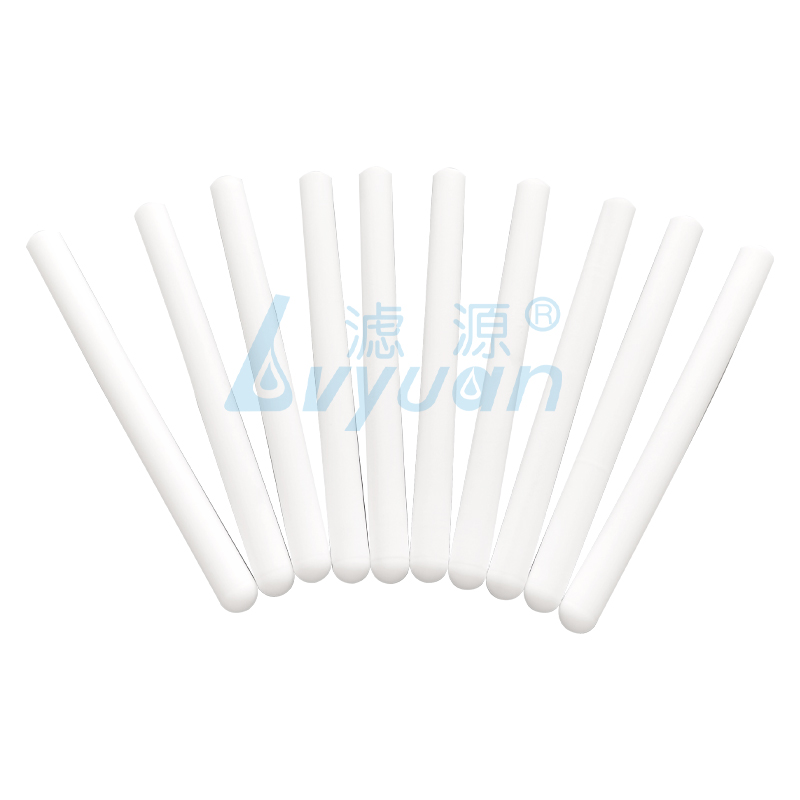
A haste porosa sinterizada para fragrâncias Lvyuan PE proporciona um fluxo capilar consistente e uma libertação controlada da fragrância para ambientadores de encaixe, difusores de palhinhas e dispositivos aromáticos.
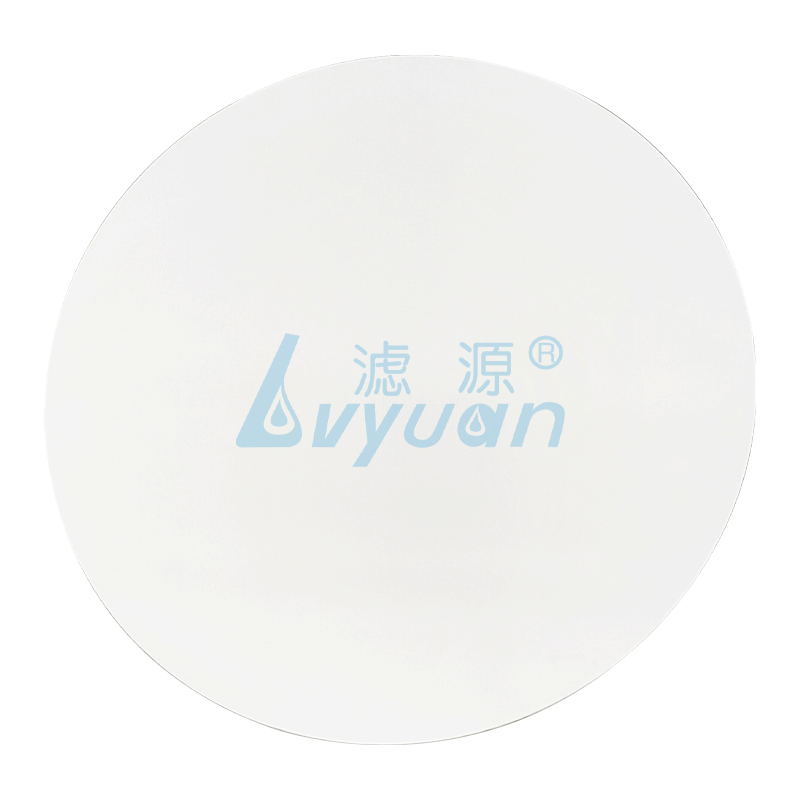
O filtro redondo poroso de PE sinterizado da Lvyuan apresenta poros uniformes, um fluxo de ar estável e uma remoção fiável de partículas, sendo adequado para aplicações de filtração de líquidos, gases, ventilação e filtração industrial.
O cartucho filtrante de plástico poroso sinterizado Lvyuan PA apresenta poros uniformes, uma filtração de partículas duradoura e um caudal estável para sistemas de filtração de líquidos, gases e industriais.
A seleção do material começa pelo fluido e pelo contaminante, e não apenas pelo valor em mícrons. Os materiais mais comuns utilizados nos sacos de líquido industriais incluem o feltro agulhado e a malha de monofilamento tecida.
1. Educação Física
Amplamente utilizado para filtração porosa leve, ventilação e difusão. Avaliar a qualidade, a estrutura porosa e as condições de funcionamento.
2. UHMWPE
Conhecido como um polímero em massa pela sua resistência ao desgaste, resistência ao impacto e ampla resistência química; o desempenho final do material poroso continua a depender do seu desenho.
3. PP
Outra opção de polímero hidrofóbico que pode ser adequada a ambientes químicos e de processo compatíveis.
4. PTFE
Outra opção de polímero hidrofóbico que pode ser adequada a ambientes químicos e de processo compatíveis.
5. PVDF
Uma opção de fluoropolímero para muitos ambientes químicos corrosivos; a adequação depende do produto químico, da temperatura e da classe do material.
Como o tamanho dos poros afeta o desempenho dos filtros sinterizados
O tamanho dos poros, a porosidade e o grau de filtração são conceitos relacionados, mas não são intercambiáveis. Um valor em mícrons, por si só, não deve ser considerado como prova de eficiência absoluta de filtração.
O que influencia a filtração?
Distribuição do tamanho dos poros e estrutura dos poros interligados
Espessura da parede do filtro e geometria total
Tamanho, forma e carga dos contaminantes
Viscosidade, densidade e comportamento de humedecimento dos fluidos
Caudal e pressão diferencial
O que deve o comprador especificar? Defina o contaminante a ser removido, o resultado de retenção pretendido, os requisitos de caudal e a queda de pressão admissível. Isso proporciona-nos um objetivo de engenharia mais útil do que apenas o número de poros.
Componentes de filtro de plástico poroso sinterizado para projetos industriais
O filtro sinterizado Lvyuan é fabricado a partir de partículas de polímero que são ligadas entre si para criar vias de fluxo interligadas através de uma estrutura plástica autoportante. O componente resultante pode ser utilizado em projetos que exijam tanto uma geometria definida como um fluxo controlado de ar, gás ou líquido. A tecnologia comercial de plástico poroso é utilizada em funções de filtração, difusão, ventilação e outras funções relacionadas com o manuseamento de fluidos.
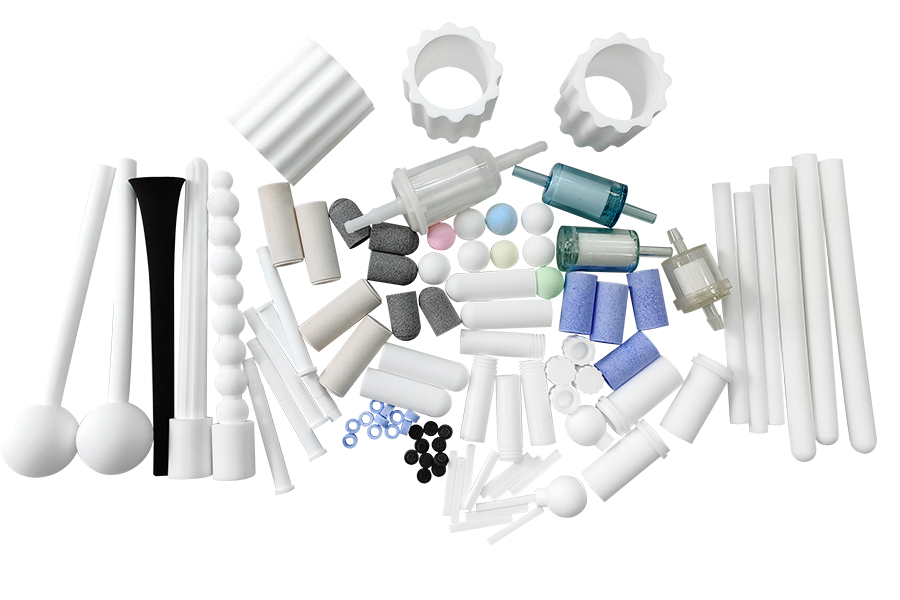
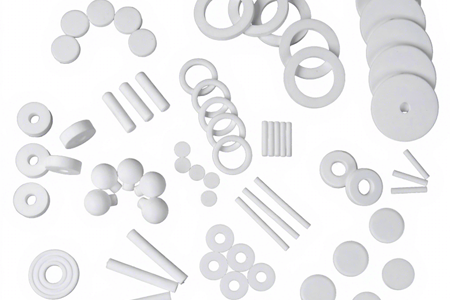
Dependendo da viabilidade de fabrico, os componentes de plástico sinterizado podem ser produzidos ou submetidos a processamento adicional para se tornarem cartuchos de filtro, tubos, cilindros, discos, folhas, placas, copos, tampões porosos, difusores, elementos de ventilação, silenciadores de plástico e outras peças personalizadas. Os fornecedores comerciais de plástico poroso também fabricam tubos, hastes, folhas e geometrias 3D para aplicações de filtração ou difusão.
Para um comprador, a questão importante não é simplesmente saber se é possível fabricar um filtro poroso. O material do filtro, as dimensões, as características dos poros, a queda de pressão, o caudal necessário e o ambiente químico têm de funcionar em conjunto. Isto é especialmente importante quando se substitui um filtro metálico, um componente de plástico moldado, um suporte de membrana ou um elemento filtrante OEM existente.
Como o processo de sinterização cria uma estrutura plástica porosa
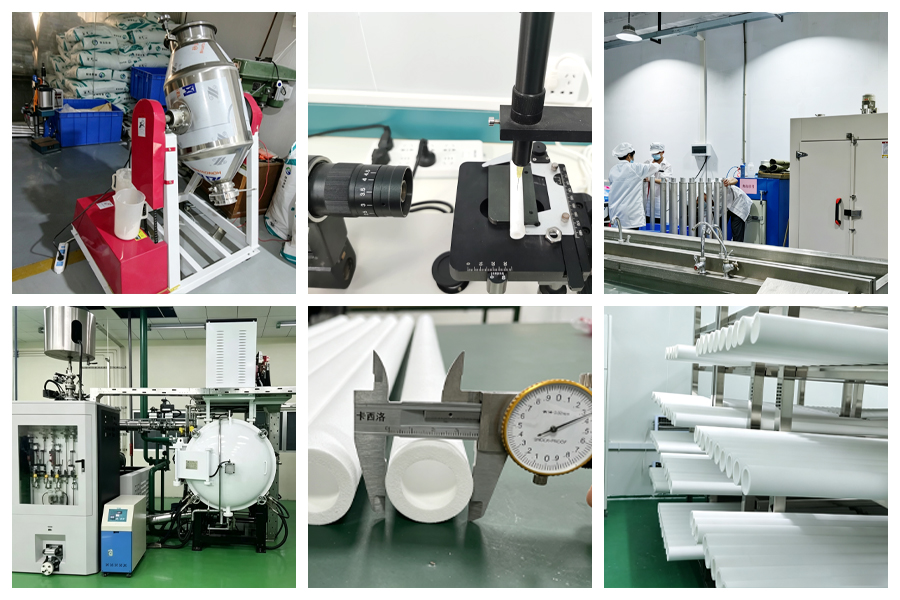
O processo de sinterização utiliza partículas de plástico ou polímero em pó, juntamente com calor e pressão controlados, para que as partículas adjacentes se liguem entre si, mantendo simultaneamente espaços interligados entre elas. O objetivo é criar uma estrutura porosa e autossustentável, em vez de simplesmente fundir o material para formar uma peça de plástico sólida.
O controlo das características das partículas da matéria-prima, das condições de moldagem e do ciclo de sinterização influencia a estrutura porosa, as dimensões, o comportamento de fluxo e a integridade mecânica. Na prática, as variáveis de fabrico determinam a uniformidade com que o ar ou a água podem passar através do componente e se o filtro acabado cumpre os requisitos dimensionais e de desempenho.
No caso das peças sinterizadas personalizadas, a geometria e o desempenho dos poros devem, por conseguinte, ser desenvolvidos em conjunto, em vez de serem especificados de forma independente.
Resistência química, temperatura e condições de funcionamento
A resistência química deve ser avaliada por polímero específico e ambiente de processo específico. O PE, o UHMWPE, o polipropileno, o PTFE e o PVDF não apresentam a mesma resistência a solventes, oxidantes, ácidos ou soluções alcalinas.
O UHMWPE, por exemplo, é reconhecido pela sua ampla resistência química e pelas suas excelentes propriedades de resistência ao desgaste, enquanto os fluoropolímeros de PTFE são frequentemente escolhidos para aplicações exigentes em termos químicos e de altas temperaturas. O PVDF também oferece uma resistência química substancial, mas as orientações publicadas sobre o PVDF indicam que a temperatura aceitável depende da formulação, da exposição química e das condições de aplicação.
Um polímero descrito, em termos gerais, como possuidor de excelente resistência química não deve, por isso, ser automaticamente aprovado para um determinado processo. Da mesma forma, termos como “não tóxico”, «adequado para contacto com alimentos» ou «em conformidade» nunca devem ser inferidos apenas a partir do nome do polímero. O tipo de produto, os aditivos, as condições de fabrico e a documentação regulamentar exigida devem ser verificados separadamente.
Para estimar uma vida útil realista, indique a temperatura de funcionamento contínua e máxima, a pressão, a pressão diferencial, a concentração química, o método de limpeza e a duração da exposição.
Aplicações dos filtros de plástico poroso sinterizado
As aplicações do plástico poroso sinterizado vão além da remoção convencional de partículas, uma vez que a rede de poros interligados também pode regular o movimento de gases ou líquidos.
Tratamento de água e filtração de processos: Um filtro poroso pode reter impurezas particuladas ou proteger o equipamento a jusante, desde que o polímero selecionado seja compatível com a composição química da água.
Processamento químico: O PE, o PTFE, o PVDF ou outro material de filtração podem ser avaliados para meios corrosivos, nos casos em que um polímero compatível constitua uma alternativa a alguns materiais metálicos. A compatibilidade do material deve, no entanto, ser confirmada para o solvente ou reagente específico.
Gás e ar comprimido: Um elemento poroso pode filtrar partículas, funcionar como uma válvula de ventilação ou controlar o fluxo de ar. O polietileno poroso também é utilizado comercialmente em silenciadores pneumáticos, onde a estrutura porosa combina a descarga de gás com a redução de ruído e a contrapressão controlada.
Difusão e arejamento: Os poros interligados podem distribuir líquido ou gás pela superfície de um componente, em vez de o fazerem através de uma única saída aberta. A tecnologia dos polímeros porosos é utilizada comercialmente para funções de difusão.
Ventilação e proteção dos instrumentos: Os materiais porosos hidrofóbicos podem ser utilizados para permitir a circulação de ar, contribuindo simultaneamente para a proteção de um invólucro ou dispositivo, desde que apresentem a estrutura porosa e o desempenho em termos de entrada de líquidos exigidos.
Outras aplicações realistas dos componentes sinterizados incluem equipamento de laboratório, sistemas de fluidização, conjuntos de filtração OEM e equipamento para alimentos e bebidas, nos casos em que a documentação relativa ao material e ao fabrico especificados cumpra os requisitos aplicáveis ao projeto.
Vantagens dos filtros de plástico sinterizado para o projeto OEM
As vantagens do plástico sinterizado dependem da aplicação, mas esta tecnologia oferece uma combinação invulgar de forma estrutural e porosidade controlada. Um único componente pode, potencialmente, proporcionar filtração, distribuição de fluxo, ventilação ou silenciamento, mantendo ao mesmo tempo uma forma definida, moldada ou maquinada.
Em comparação com alguns componentes metálicos, os materiais poliméricos compatíveis também podem reduzir o peso e evitar certos mecanismos de corrosão. Os silenciadores pneumáticos porosos em PE, por exemplo, são utilizados comercialmente precisamente porque o material consegue combinar baixo peso, filtração de partículas e resistência à corrosão em sistemas pneumáticos.
A geometria personalizada é outra vantagem. Em vez de adaptar um conjunto em função de um filtro padrão, um fabricante de equipamento original (OEM) pode dimensionar o elemento filtrante de acordo com o espaço de instalação disponível, o método de ligação e o percurso de fluxo necessário.
Uma longa vida útil e durabilidade só são possíveis quando o filtro é selecionado corretamente. Estas características devem ser consideradas objetivos de conceção e não características garantidas.
Como especificar um filtro de plástico poroso sinterizado personalizado
Um pedido de cotação completo ajuda a determinar se um filtro de PE, um componente de PTFE sinterizado, uma peça de PVDF ou outro material sinterizado poroso é o mais adequado.
Por favor, indique:
Aplicação e tipo de equipamento
Líquido ou gás em processo de tratamento
Nome químico e concentração
Material de filtro preferido, se já tiver sido selecionado
Tamanho de poro necessário ou requisito de filtração
Informações sobre contaminantes
Caudal pretendido
Pressão de funcionamento e pressão máxima
Pressão diferencial prevista
Temperatura de funcionamento contínua e máxima
Diâmetro exterior, diâmetro interior, comprimento e espessura
Formato ou configuração do filtro existente
Requisitos relativos a roscas, encaixes ou ligações
Requisitos de limpeza ou reutilização
Quantidade necessária
Desenho, esboço ou amostra existente, se disponível
Se o filtro for concebido para substituir um componente existente, é preferível fornecer tanto o desenho como as condições reais do processo, em vez de fornecer apenas as dimensões.
Perguntas frequentes sobre filtros de plástico poroso sinterizado
Que tamanhos de poros estão disponíveis?
O tamanho dos poros que é possível obter depende do material, das características das partículas em bruto, das condições de sinterização e da geometria do componente. A tecnologia comercial de plásticos porosos demonstra que é possível fabricar estruturas porosas muito diferentes, mas a gama de tamanhos de poros específica de cada fornecedor deve ser confirmada antes da compra, em vez de ser inferida a partir de exemplos do setor.
Qual é a diferença entre um filtro de PE e um filtro de PTFE?
O PE é frequentemente considerado para aplicações de filtração porosa leve, ventilação e difusão, enquanto o PTFE é geralmente avaliado nos casos em que é necessária uma maior resistência química ou térmica. A melhor escolha depende do fluido específico, da temperatura, da pressão e do desempenho poroso exigido, e não apenas do nome do material.
É possível utilizar o mesmo filtro sinterizado para a filtração de líquidos e gases?
É possível, mas o desempenho irá variar. As propriedades do líquido ou do gás afetam a resistência ao fluxo, o comportamento de humedecimento, a queda de pressão e a captura de contaminantes. Especifique o meio concreto e as condições de funcionamento, para que a estrutura porosa e as dimensões do filtro possam ser avaliadas para essa aplicação.
Podem fabricar cartuchos, discos e placas de filtro à medida?
As formas personalizadas podem incluir um cartucho filtrante, um tubo, um disco, um filtro de placa, um copo, um tampão ou outra geometria, desde que a viabilidade das ferramentas e do fabrico o permita. A tecnologia do plástico poroso já é produzida comercialmente sob a forma de chapas, tubos, hastes e geometrias complexas.
Os filtros de plástico sinterizado são resistentes a ácidos, álcalis e solventes?
Alguns polímeros apresentam elevada resistência química a muitos produtos químicos, mas não existe uma declaração de compatibilidade universal. A resistência exata depende do tipo de material, da identidade química, da concentração, da temperatura de funcionamento, do tempo de exposição e da tensão mecânica. A compatibilidade química deve ser confirmada antes da aprovação final do material.
É possível limpar e reutilizar um filtro poroso sinterizado?
Algumas configurações podem ser limpas, mas a possibilidade de reutilização depende do contaminante, da estrutura dos poros, do polímero, do produto químico de limpeza, da temperatura e do facto de as partículas terem penetrado profundamente no filtro. O método de limpeza deve ser tido em conta durante a seleção do filtro, em vez de ser dado como certo após a instalação.
Que informações são as mais importantes para um orçamento?
Comece por indicar o fluido ou gás, a concentração química, os requisitos de filtração ou as especificações dos poros, as dimensões, o caudal, a pressão, a temperatura e a quantidade. No caso de um componente OEM, envie um desenho ou uma amostra sempre que possível. Isto permite que a compatibilidade dos materiais, a geometria e a viabilidade de fabrico sejam analisadas em conjunto.
Precisa de um filtro de plástico poroso sinterizado para um novo projeto ou para substituir um filtro existente? Envie-nos informações sobre o seu líquido ou gás, as características de poros necessárias, as dimensões ou o desenho, o material preferido, a pressão de funcionamento, a temperatura de funcionamento e a quantidade. Podemos utilizar estes dados para avaliar a configuração adequada em PE, UHMWPE, PP, PTFE, PVDF ou outro material adequado e discutir recomendações técnicas, avaliação de amostras, requisitos de OEM ou um orçamento.