Guangzhou Lvyuan Water Purification Equipment Co., Ltd. é um fabricante de filtros industriais fundado em 2009 que projeta e fabrica carcaças de filtro de aço inoxidável, tanques de água estéril de aço inoxidável, elementos de filtro, sacos de filtro, materiais de ultra-polímero e produtos de filtro sinterizado. Os compradores escolhem a Lvyuan devido ao apoio OEM/ODM, ao controlo de qualidade ISO9001 e às certificações de vários países.
Guangzhou Lvyuan Water Purification Equipment Co., Ltd.
Guia de manutenção da caixa do pré-filtro RO comercial
A maioria dos problemas relacionados com a RO são falsos.
Quando um supervisor de fábrica observa uma queda no caudal, um aumento do diferencial de pressão ou uma variação indesejável da condutividade, o primeiro suspeito é normalmente a escolha da camada de membrana; no entanto, na vida real, onde os operadores evitam preencher as fichas de registo, o departamento de compras adquire cartuchos misteriosos e as instalações são abertas com uma chave inglesa pelo turno da madrugada, o invólucro do pré-filtro é geralmente a primeira cena do crime.
Porque é que ninguém quer dizer isso em voz alta?
O segredo sujo: as caixas dos pré-filtros avariam-se antes das camadas de membranas
Na verdade, já vi sistemas industriais de osmose inversa (RO) a falharem na produção, não por a membrana estar “defeituosa”, mas porque um O-ring $3 ficou achatado, uma rosca do reservatório de recolha foi danificada ou um cartucho de carvão ficou na solução muito tempo depois de a libertação de cloro se ter tornado previsível.
Essa é a dura realidade.
A manutenção de sistemas comerciais de osmose inversa não é nada glamorosa. Ninguém publica no blogue imagens de caixas de recolha limpas, anéis de vedação lubrificados ou registos de pressão diferencial corrigidos. No entanto, são esses pequenos gestos que determinam se uma membrana 4040 ou 8040 vai durar anos ou se vai sofrer danos químicos em poucos meses.
O invólucro do pré-filtro desempenha três funções: aloja o cartucho, garante a integridade do percurso do fluxo e protege as peças a jusante do sistema de osmose inversa (RO) contra sedimentos, cloro, corrosão, variações na pressão da tubagem, biofilme e manutenção negligente. Quando esse invólucro falha, o sistema de osmose inversa não avisa. A falha manifesta-se através de perda de pressão, ressonância da bomba, maior frequência de limpeza e incrustação gradual da membrana.
E depois disso, alguém afirma: “O problema é a marca da camada de membrana.”
Não. Normalmente, não é.
O que um corpo de pré-filtro de osmose inversa industrial realmente protege
Um pré-filtro RO para uso comercial está instalado a montante da bomba de alta pressão e da fase de membrana. A sua função é reter as impurezas antes de a água chegar aos equipamentos mais caros.
Estamos a falar de sólidos retidos, resíduos de carvão ativado, partículas de corrosão de Fe₂O₂, vestígios de incrustações de MnO₂, detritos das condutas, sedimentos coloidais e, frequentemente, oxidantes como o cloro livre, caso a purificação por carvão ativado faça parte do circuito de pré-tratamento. Num guia típico de manutenção de sistemas de osmose inversa industriais, o pré-filtro é considerado equipamento fundamental. Considero que isso é um erro.
O hardware básico causa falhas dispendiosas.
Se a água de alimentação apresentar picos de turbidez, o filtro de detritos fica rapidamente obstruído. Se as tubagens da estrutura libertarem ferrugem após a inatividade do fim de semana, o cartucho fica obstruído prematuramente. Se o bloco de carvão tiver dimensões insuficientes, o cloro passa e corrói as camadas da membrana de poliamida. Se a vedação do invólucro apresentar fugas de ar, a bomba pode entrar em cavitação. Se o reservatório for apertado em excesso, o especialista responsável acaba por o partir.
Para a pré-filtração por carvão, um processo devidamente definido cartucho de pré-filtro de bloco de carvão pode ajudar a reduzir odores, resíduos e poluentes semelhantes; a página da Lvyuan dedicada aos blocos de carvão ativado também identifica a pré-filtragem como a aplicação e apresenta alternativas de 5/10/25 mícrons, o que é importante porque a escolha do tamanho em mícrons influencia tanto a proteção como a redução da pressão.
O plano de manutenção em que realmente confio
Esqueça aquela regra falsa de “mudar a cada seis meses”.
Essa sugestão aplica-se apenas a brochuras de vendas, com exceção de cozinhas, lavandarias, instalações alimentares, salas de serviço adjacentes a unidades de diálise, sistemas de osmose inversa (RO) para lavagem de automóveis, sistemas de tratamento estético de caldeiras de aquecimento central ou lacunas regulamentares relativas à água de enxaguamento comercial. A substituição do pré-filtro de osmose inversa (RO) comercial deve ser determinada com base no diferencial de pressão, na qualidade da água, nas horas de funcionamento e no padrão de contaminação.
Eis a minha regra prática: se a diferença de pressão no pré-filtro aumentar entre 10 e 15 psi em relação ao valor de referência em condições de limpeza, substitua o cartucho e avalie a situação. Se a perda de pressão aumentar repentinamente, desligue o sistema e examine-o. Um cartucho entupido pode privar a bomba de alta pressão de fluxo. Um cartucho com fuga pode enviar poeira para a parte a jusante. Ambas as situações são prejudiciais; uma é mais silenciosa.
Os empresários devem registar estes números:
Artigo de manutenção
Alvo típico
Sinal de aviso
O que eu certamente faria
Diferencial de pressão no pré-filtro
Linha de base limpa específica do local
+10–15 psi acima do valor de referência
Substituir o cartucho, inspecionar o reservatório e verificar se há partículas na entrada
Idade do cartucho
Com base no horário de funcionamento, e não apenas no horário previsto
Data de instalação não identificada
Substituir rapidamente e reiniciar o registo
O-ring da caixa
Flexível, redondo, limpo, lubrificado
Áreas planas, inchaço, fissuras
Substituir antes de reativar
Câmara de recolha no interior
Suave, arrumado, sem lodo
Sujidade castanha, biofilme preto, areia
Lavar, esterilizar, verificar o encaixe do cartucho
Condição do fio
Interação fluida
Riscar, sensação de rosca danificada
Pare de apertar; verifique a cabeça e o cárter
Fase de carbono
Inovação sem cloro
Cloro livre detetável após o carvão
Substituir o carbono e o tempo de contacto durante o exame
Verificação de fugas
Secar sob pressão
A chorar diante de um prato ou de um copo de vinho do Porto
Despressurizar, recolocar no lugar, substituir a junta
Um número desanimador vale mais do que dez pontos de vista.
Como substituir, exatamente, os pré-filtros de osmose inversa (RO) comerciais sem provocar uma nova avaria
Tenho uma opinião bem definida sobre isto: a maioria das avarias nos pré-filtros após a manutenção é causada pelos técnicos.
Não é prejudicial. É apenas apressado.
Feche a válvula de entrada. Despressurize o sistema. Confirme se a pressão chega a zero, e não se está “provavelmente reduzida”. Abra a caixa com a chave adequada, não com uma chave de fita usada indevidamente como um pé-de-cabra. Retire o cartucho antigo e examine-o antes de o deitar fora. Está uniformemente sujo? Um dos lados está mais sujo? O núcleo caiu? O cartucho cheira a cloro, óleo, ferro ou matéria orgânica?
Aquele cartucho antigo é uma prova.
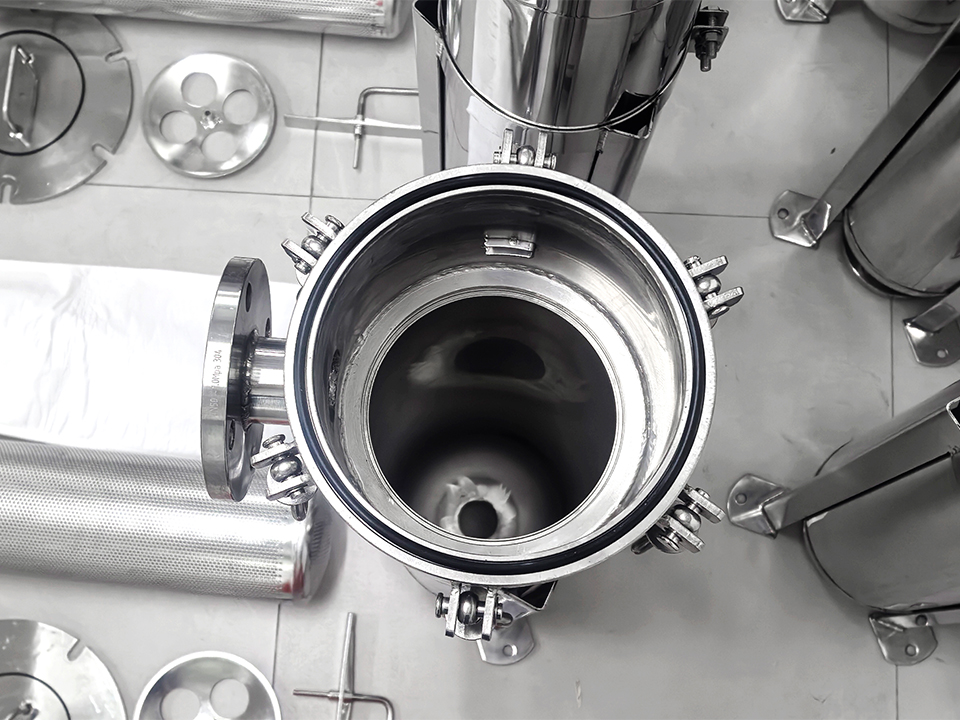
Limpe o reservatório com utensílios não abrasivos. Verifique o tubo vertical, a haste central, a mola, a sede inferior e as superfícies de fixação. Substitua o anel O-ring se este parecer desgastado. Lubrifique apenas com um lubrificante de silicone de qualidade alimentar compatível; nunca utilize massa de petróleo. Instale o cartucho com o comprimento e a classificação em mícrons adequados. Aperte manualmente e, em seguida, aplique o aperto final indicado pelo fabricante; a força bruta não é sinónimo de profissionalismo e confiança.
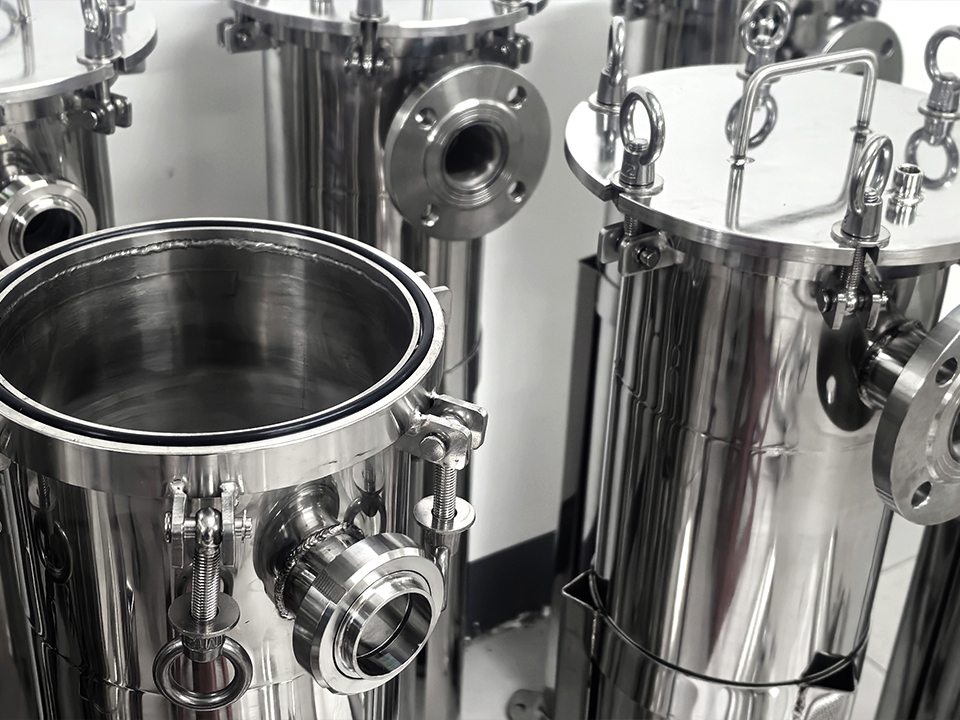
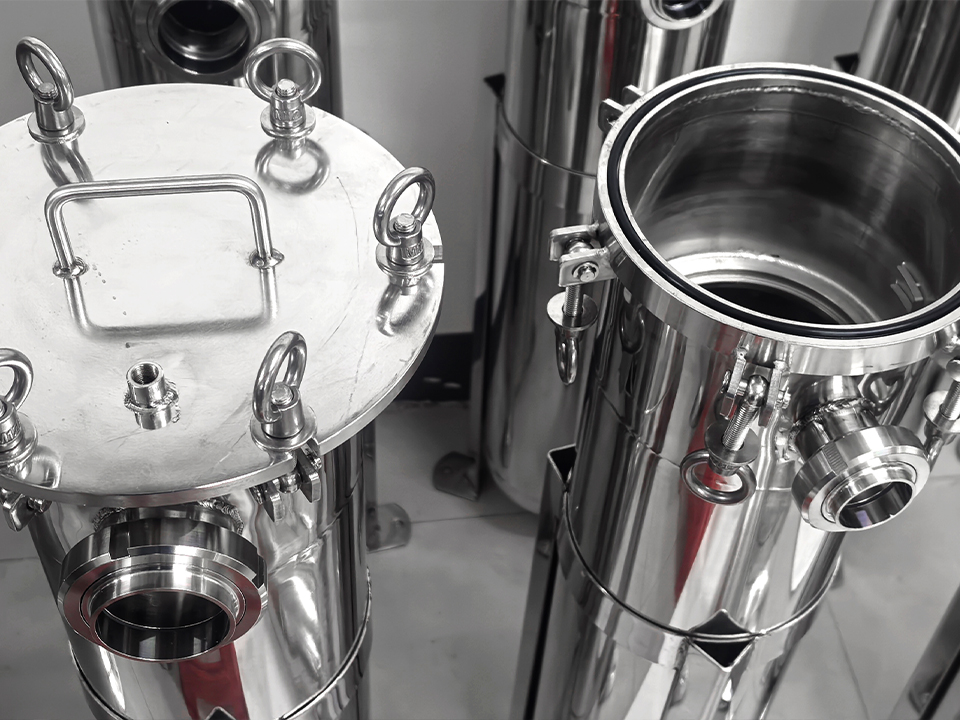
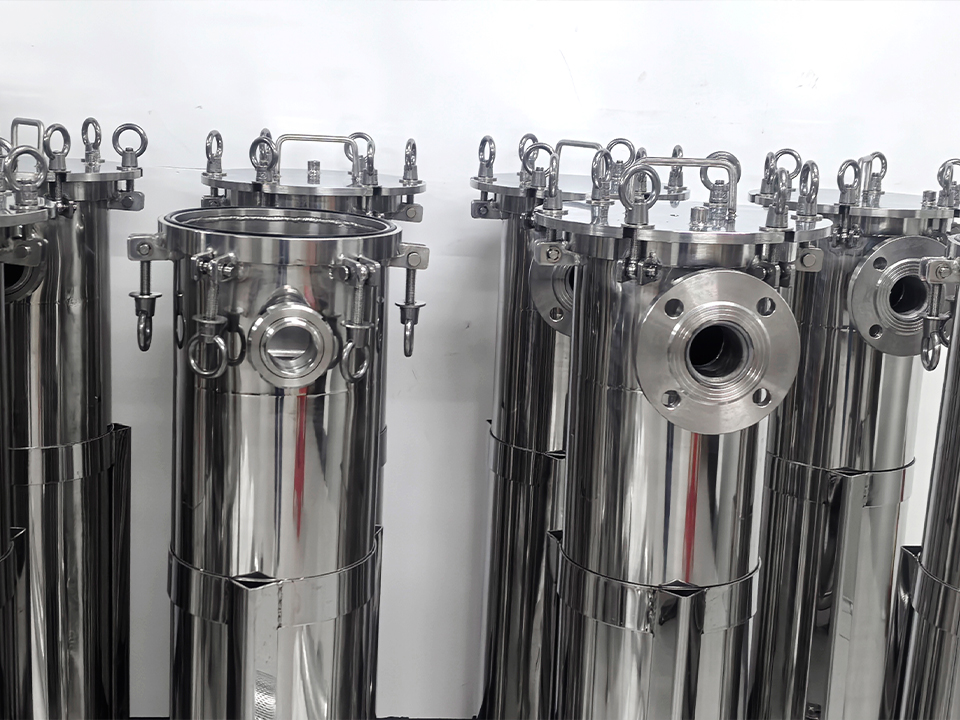
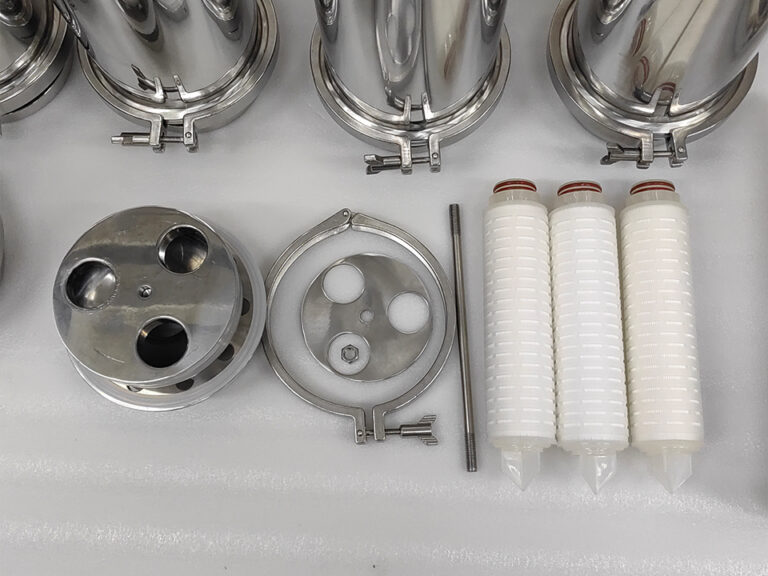
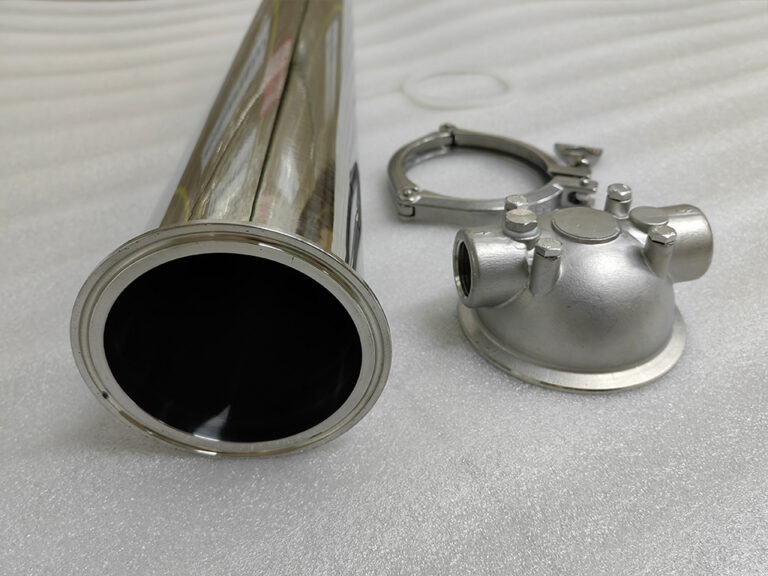
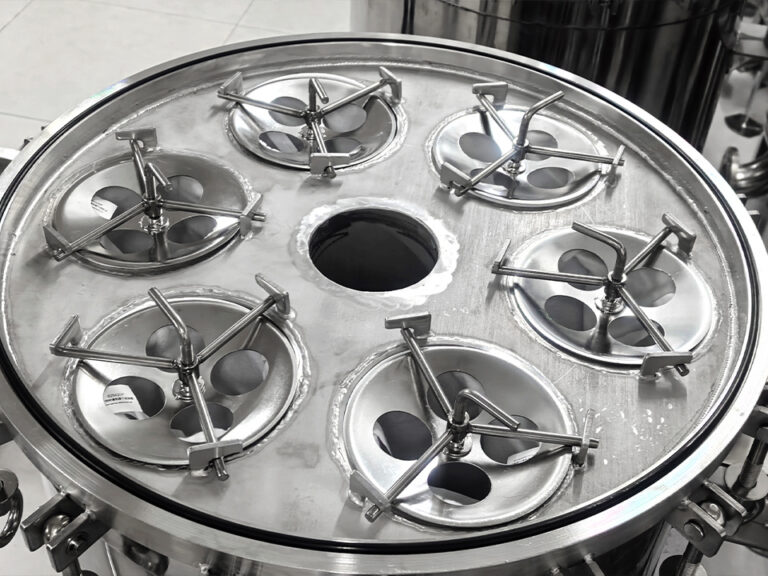
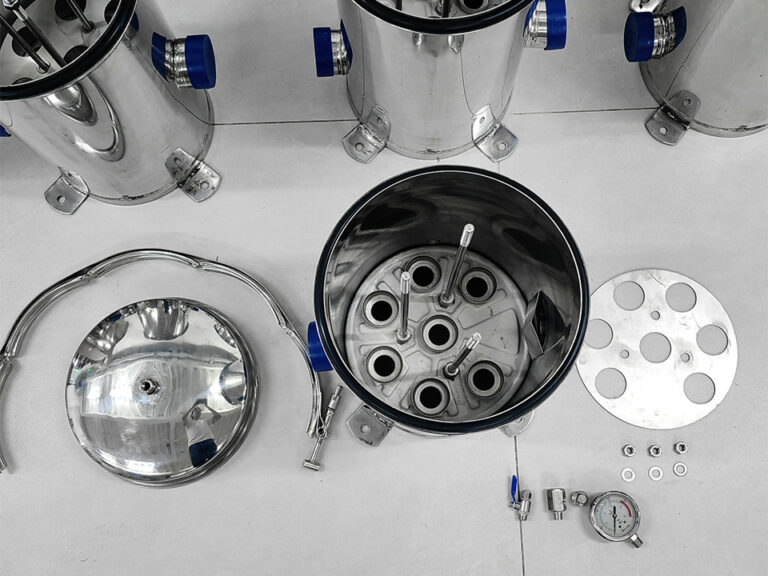
No caso dos sistemas que utilizam caixas em aço inoxidável, um Caixa de filtro «Large Blue» em aço inoxidável é frequentemente mais resistente do que o plástico leve em ambientes comerciais de utilização intensiva; o dispositivo aqui apresentado é em aço inoxidável, possui certificação ISO 9001, é da marca OEM/Lvyuan e destina-se a aplicações no setor imobiliário relacionadas com filtragem.
No entanto, o aço inoxidável não é mágico. Continua a exigir uma técnica adequada na utilização dos anéis O-ring, superfícies de vedação limpas e um encaixe correto do cartucho.
Substituto do anel em O do invólucro do filtro RO: o pequeno componente que prejudica grandes sistemas
Os anéis em O são económicos, até deixarem de o ser.
Um anel de vedação (O-ring) danificado num filtro RO pode causar fugas, entrada de ar, desvio do fluxo, instabilidade estrutural e reclamações relacionadas com a solução. Já vi, de facto, técnicos de manutenção experientes reutilizarem um anel de vedação que parecia estar “em ótimo estado” sob iluminação fraca, apenas para regressarem 36 horas mais tarde a uma sala de equipamentos molhada e a um supervisor de instalações furioso.
Eis o que eu verifico:
O O-ring deve ser redondo, elástico, limpo e sem cortes. Se parecer quadrado, inchado, brilhante, quebradiço, com marcas ou esticado, está inutilizado. Se sair da ranhura devido ao facto de ter aumentado de tamanho, está inutilizado. Se tiver sido utilizado óleo lubrificante e a composição química da borracha não for compatível, está danificado.
E, claro, é preciso ter peças sobressalentes no local.
Uma instalação comercial de osmose inversa sem anéis de vedação de reserva não está a ser mantida em bom estado. É um risco.
Como limpar o invólucro do filtro de osmose inversa sem o danificar
É na limpeza que as pessoas se tornam um pouco estranhas.
Ou não fazem praticamente nada, o que deixa biofilme e sedimentos no interior do reservatório, ou atacam a estrutura como se estivessem a remover a corrosão do aço de um navio. Ambas as técnicas estão erradas. A manutenção dos filtros de osmose inversa requer uma limpeza controlada, não um tratamento drástico.
Utilize água limpa, uma escova macia ou uma toalha e um produto de limpeza compatível com o material da caixa e com a utilização posterior da água. Remova os resíduos do fundo do reservatório. Limpe a ranhura de fixação. Verifique se existem fissuras finas nas peças de plástico e pontos de corrosão nas peças metálicas. Enxague completamente. Desinfete apenas com um produto químico e numa concentração autorizados para a configuração do sistema; em seguida, enxague completamente antes de voltar a ligar ao sistema de osmose inversa.
Para sistemas portáteis, plataformas-piloto ou verificações estéticas, um caixa do cartucho de filtro em PP transparente podem tornar a contaminação muito mais fácil de detectar, embora eu não confundisse visibilidade com resistência industrial. Os recipientes transparentes são ferramentas úteis de aprendizagem. Não constituem, no entanto, uma desculpa para ignorar os parâmetros de resistência, o nível de temperatura, a exposição direta aos raios UV ou a compatibilidade química.
Caixa do pré-filtro em plástico vs. aço inoxidável: a minha opinião, que não é das mais favoráveis
As caixas de plástico não são, por si só, de má qualidade.
As instalações baratas apresentam mau funcionamento. As instalações imobiliárias mal aplicadas são ainda piores. Um prefiltro imobiliário de plástico, instalado num ambiente de baixa pressão, organizado, interior e a baixa temperatura, num sistema de RO comercial, pode funcionar de forma aceitável se tiver a classificação ideal e o controlo adequado da solução. No entanto, em áreas de trabalho intenso com calor, ressonância, produtos químicos de limpeza agressivos, abuso mecânico ou tempo de inatividade dispendioso, opto pelo aço inoxidável.
A fatura causa prejuízo quando... O tempo de inatividade causa prejuízo de forma constante.
Tipo de habitação
Ajuste ideal
Impotência
Ameaça à manutenção
O meu ponto de vista
Caixa de plástico transparente
Instalações industriais ligeiras, que facilitam a inspeção
Envelhecimento por radiação UV, fraturamento, limites de tensão
Apertar em excesso, falha devido à fraqueza do cárter
Útil, mas em que é fácil depositar demasiada confiança
Imobiliário de plástico opaco
Pré-tratamento padrão de baixo custo
Contaminação oculta
Falha na marcação de falta, danos na corda
Não há problema desde que a pressão e a temperatura sejam controladas
Caixa de cartucho único em aço inoxidável
Osmose inversa industrial, pré-tratamento para condições de funcionamento mais exigentes
Preço inicial mais elevado
A falta de cuidados adequados com os anéis de vedação continua a causar fugas
Equilíbrio ideal para operadores significativos
Espaço para vários cartuchos em aço inoxidável
Osmose inversa industrial de maior caudal
Mais selos, mais trabalho
Embalagem desequilibrada, se for mal feita
É ótimo quando a procura de fluxo o confirma
Caixa de vapor/alta temperatura
Energias de processo, serviço a quente
Abuso no serviço de abastecimento de água
Opção errada de junta/material
Específicos, não intercambiáveis
Se o seu pré-tratamento por osmose inversa (RO) apresentar problemas relacionados com temperaturas elevadas ou consumo de energia, considere os pressupostos de conceção subjacentes a um caixa do filtro de vapor em aço inoxidável em vez de partir do princípio de que todos os recipientes brilhantes são a mesma ferramenta.
O Registo do Diferencial de Stress: O teu detector de mentiras mais barato
Uma escala de tensão antes e depois do corpo do pré-filtro fornece-lhe mais informações do que a maioria das chamadas de vendas.
Quando o cartucho fica obstruído, a queda de pressão diferencial aumenta. Quando a queda de pressão não aumenta, mas a incrustação a jusante se agrava, suspeite de um desvio, mau assentamento do cartucho, classificação errada em mícrons, má qualidade do cartucho ou canalização do fluxo. Quando a queda de pressão atinge picos durante a noite, suspeite de um problema na água de alimentação: lavagem de hidrantes, reparação de tubagens, renovação do tanque de armazenamento, libertação de ferro, partículas de construção ou descamação biológica.
Gosto de ter três parâmetros: pressão de entrada, pressão de saída e caudal. Sem o caudal, os dados relativos à pressão podem induzir em erro. Uma queda de 5 psi a 20 gpm não é a mesma coisa que uma queda de 5 psi a 6 gpm.
Os números são importantes.
Registe a data, o motor, o tipo de cartucho, a classificação em mícrons, o ID do invólucro, a pressão de entrada, a pressão de saída, a pressão de alimentação da osmose inversa, o caudal de permeado, o caudal de concentrado, a condutividade, o cloro após o filtro de carvão e qualquer tipo de odor ou cor anormais. Isso pode parecer excessivo, até que um único ciclo de manutenção mal feito o obrigue a substituir um conjunto de membranas.
“Melhor pré-filtro RO para empresas do setor imobiliário” é uma pesquisa incorreta
Os compradores procuram o melhor pré-filtro industrial de osmose inversa (RO) no mercado imobiliário. Compreendo porquê. É uma expressão de pesquisa simples.
No entanto, a pergunta mais pertinente é: ideal para que tipo de água, que pressão, que caudal, que cartucho, que exposição a produtos químicos, que método de limpeza e que preço de falha?
Um sistema de osmose inversa (RO) num estabelecimento de restauração, destinado a proteger equipamentos de gelo, não apresenta exatamente o mesmo perfil de risco que uma linha de enxaguamento numa fábrica de bebidas. Um módulo de RO para a lavandaria de um resort não funciona como um pré-filtro de energia na indústria farmacêutica. Um sistema de RO para uma lavagem de automóveis e camiões pode danificar os filtros de detritos devido a oscilações na circulação. Um sistema de osmose inversa (RO) de reposição de água para caldeiras de aquecimento central pode dar muito mais importância ao funcionamento previsível do que ao sabor da água para fins estéticos.
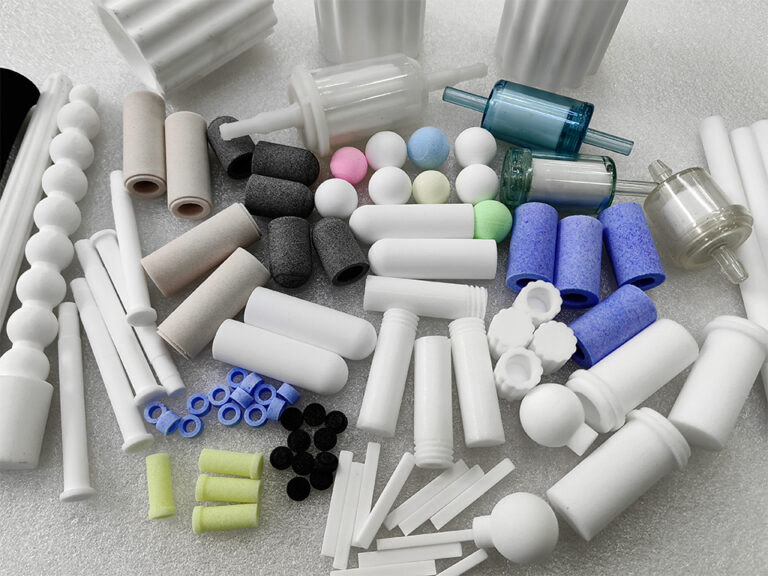
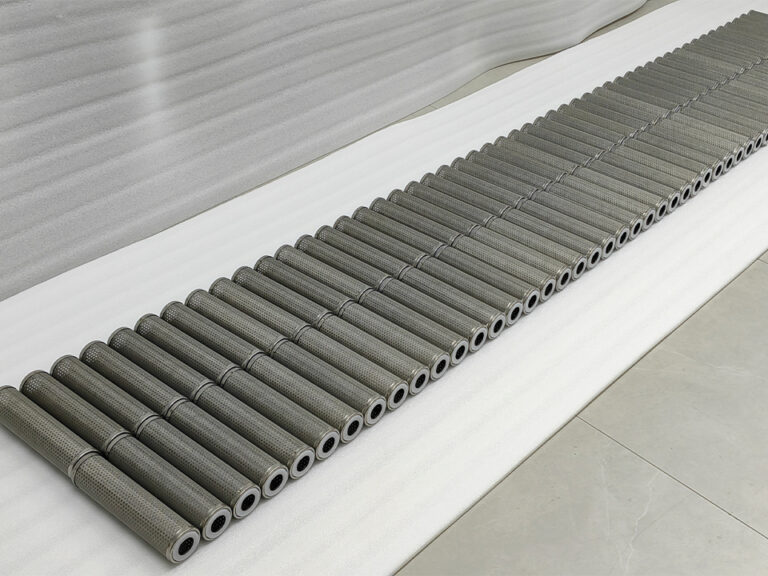
Para cargas com elevado teor de partículas ou pré-tratamento comercial de utilização múltipla, cartuchos filtrantes personalizados de aço sinterizado pode ser uma boa opção em vez dos cartuchos descartáveis, nomeadamente nos casos em que a resistência mecânica, a lavabilidade e a estrutura porosa estável são mais importantes do que um custo inicial reduzido.
Isso não é uma referência global. Trata-se de uma discussão sobre o design.
Modos de falha que vejo repetidamente
A primeira causa é o aperto excessivo. Alguém deteta uma fuga num imóvel, entra em pânico e decide que a solução é aplicar mais torque. Mas não é assim. O aperto excessivo deforma as juntas, danifica as roscas e agrava o problema na próxima reparação.
A segunda causa é o dimensionamento incorreto do cartucho. Um cartucho com dimensão nominal de 20 polegadas que não assente corretamente pode permitir o desvio do fluxo. O motorista vê uma pressão normal. A membrana fica sujeita à sujidade.
O terceiro é a progressão do cloro. Os filtros de carbono não têm vida útil ilimitada. Quando o cloro livre chega a uma membrana de RO de poliamida, os danos são químicos, cumulativos e, normalmente, irreversíveis.
O quarto motivo são as mãos sujas. E refiro-me a isso literalmente. Os técnicos de manutenção lidam com cartuchos limpos usando luvas sujas, deixam anéis de vedação cair no chão, limpam as ranhuras de vedação com trapos de oficina e, depois, ficam surpreendidos quando o biofilme volta a aparecer.
A quinta opção consiste em comprar apenas com base no preço do dispositivo. A compra permite poupar $8 num cartucho, mas acarreta uma perda de $800 devido ao tempo de inatividade. Já vi este filme. É enfadonho e caro.
Quando é preciso mudar o sistema, e não apenas o cartucho
Substitua a peça se as roscas estiverem danificadas, o reservatório estiver rachado, as aberturas tiverem sido alteradas, as soldaduras em aço inoxidável apresentarem defeitos, a ranhura de vedação estiver corroída, os valores de tensão não forem conhecidos ou a caixa tiver sido sujeita a agressões químicas.
Da mesma forma, altere-o quando o contexto do serviço estiver em falta e o sistema proteger recursos a jusante de elevado custo.
Isso parece duro. Excelente. É na fase de pré-tratamento que a imprevisibilidade económica se transforma numa certeza dispendiosa.
Se herdar uma unidade RO antiga com componentes sem identificação, cartuchos não documentados e manómetros que podem ou não funcionar, não finja que a manutenção tem sido efetivamente realizada. Comece do zero: confirme a classificação dos componentes, os requisitos dos cartuchos, a precisão dos manómetros, o material dos anéis de vedação e a direção do fluxo.
FAQ
O que é a manutenção do invólucro do pré-filtro de osmose inversa?
A manutenção do invólucro do pré-filtro de osmose inversa (RO) consiste na inspeção de rotina, limpeza, fixação, substituição do cartucho e verificação da pressão do invólucro que protege um sistema industrial de osmose inversa antes de a água chegar à bomba de alta pressão e às membranas de RO. Esta manutenção evita o desvio de sedimentos, fugas, entrada de ar, danos causados pelo cloro e incrustação prematura das membranas.
Na prática, isso implica abrir o equipamento de forma segura, inspecionar o cartucho, limpar o reservatório, substituir os anéis de vedação usados, verificar se o cartucho está corretamente encaixado e registar a diferença de pressão antes e depois da solução.
Com que frequência devem ser substituídos os pré-filtros de osmose inversa (RO) para uso comercial?
Os pré-filtros de osmose inversa (RO) industriais devem ser substituídos quando a diferença de pressão aumentar significativamente acima do padrão estabelecido, quando se detetar a presença de cloro após a purificação por carvão, quando o caudal diminuir ou quando as horas de funcionamento excederem o padrão operacional confirmado para a instalação. A substituição baseada apenas no calendário é muito menos fiável do que os dados relativos à pressão, à qualidade da água e às horas de funcionamento.
Para muitos sites, isso pode significar mensalmente, trimestralmente e até com maior frequência durante períodos em que a água de alimentação está suja. Confio mais nos registos do que nos calendários habituais.
Como posso saber se o anel de vedação do invólucro do meu pré-filtro de osmose inversa precisa de ser substituído?
O anel em O do corpo do pré-filtro RO deve ser substituído quando estiver esmagado, rachado, inchado, fraco, esticado, cortado, amolecido por ação química ou incapaz de se manter encaixado na sua ranhura. Um anel em O em bom estado deve apresentar-se elástico ao toque, ter uma forma redonda, vedar uniformemente e não revelar qualquer deformação visível quando examinado.
Não espere que surja uma fuga. Os anéis de vedação são baratos. Os espaços de equipamento húmidos, as chamadas de assistência técnica e as bombas danificadas, já não.
Como é que se limpa o filtro RO de forma segura?
A caixa do filtro RO deve ser limpa através da despressurização do sistema, da remoção do cartucho, da limpeza do reservatório e da proteção das superfícies com dispositivos não abrasivos compatíveis, da inspeção da ranhura do anel tórico, de uma lavagem exaustiva e da desinfeção utilizando apenas produtos químicos aprovados para o produto imobiliário e para a aplicação na água.
O erro consiste em utilizar escovas agressivas, produtos químicos incompatíveis ou panos de oficina sujos. Deve-se proceder de forma cuidadosa, sem agressividade.
Qual é o prefiltro de osmose inversa (RO) mais eficaz para o setor imobiliário?
A caixa de pré-filtro de osmose inversa (RO) industrial mais eficaz é aquela que está adequadamente adaptada ao caudal do sistema, ao nível de pressão, ao tamanho do cartucho, à composição química da água, à temperatura, ao método de limpeza e ao risco de tempo de inatividade. As caixas em aço inoxidável são geralmente a escolha mais adequada para sistemas comerciais de alta exigência, enquanto as caixas em plástico podem ser mais adequadas para aplicações mais leves e controladas.
Prefiro o aço inoxidável quando o sistema é de difícil acesso, a sua paragem é dispendiosa ou está sujeito a operações de manutenção agressivas.
Um pré-filtro de má qualidade pode danificar as camadas da membrana de osmose inversa?
Um invólucro de pré-filtro de má qualidade pode danificar as membranas de osmose inversa, permitindo a passagem de resíduos, a regeneração do cloro, a perda de pressão, o desenvolvimento de biofilme ou a entrada de ar, o que desestabiliza o desempenho da bomba e das membranas. O próprio invólucro pode parecer inofensivo, mas uma vedação danificada ou um encaixe inadequado do cartucho podem, silenciosamente, reduzir a vida útil da membrana.
É por isso que encaro o tecido imunitário como uma componente da defesa de membrana, e não como um dispositivo não reutilizável.
Conclusão
Se o seu plano de manutenção do sistema comercial de osmose inversa não incluir a avaliação do estado do equipamento, as orientações para a substituição dos anéis de vedação, o registo do diferencial de pressão e a verificação do encaixe dos cartuchos, esse plano está incompleto.
Começando pelos aspetos básicos menos agradáveis. Faça a auditoria a todos os equipamentos imobiliários. Identifique todos os cartuchos. Substitua os anéis de vedação do Enigma. Registe em fita as linhas de base de tensão. E quando a sua aplicação exigir equipamento de pré-tratamento mais potente, compare o produto, a classificação de tensão, a geometria do cartucho e a acessibilidade da assistência técnica antes de adquirir o componente mais barato da folha de cálculo.