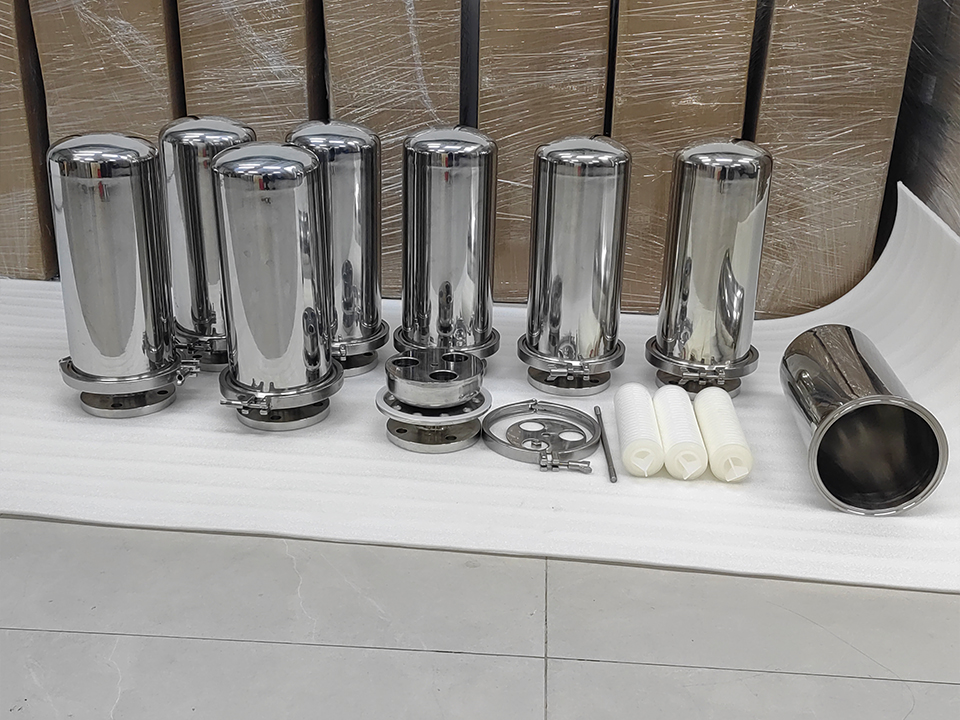
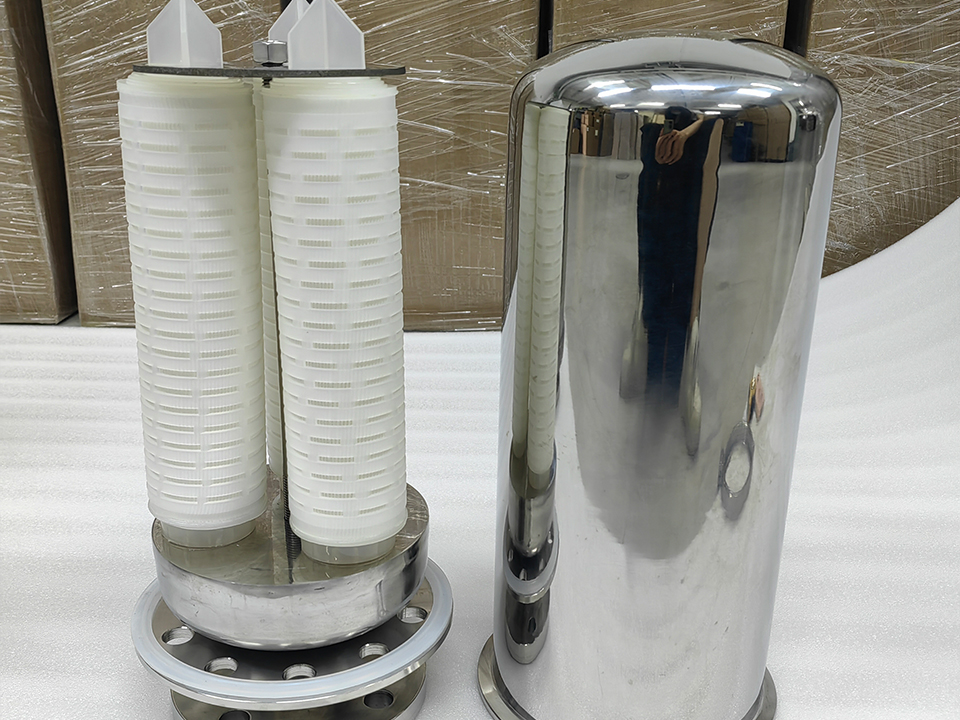
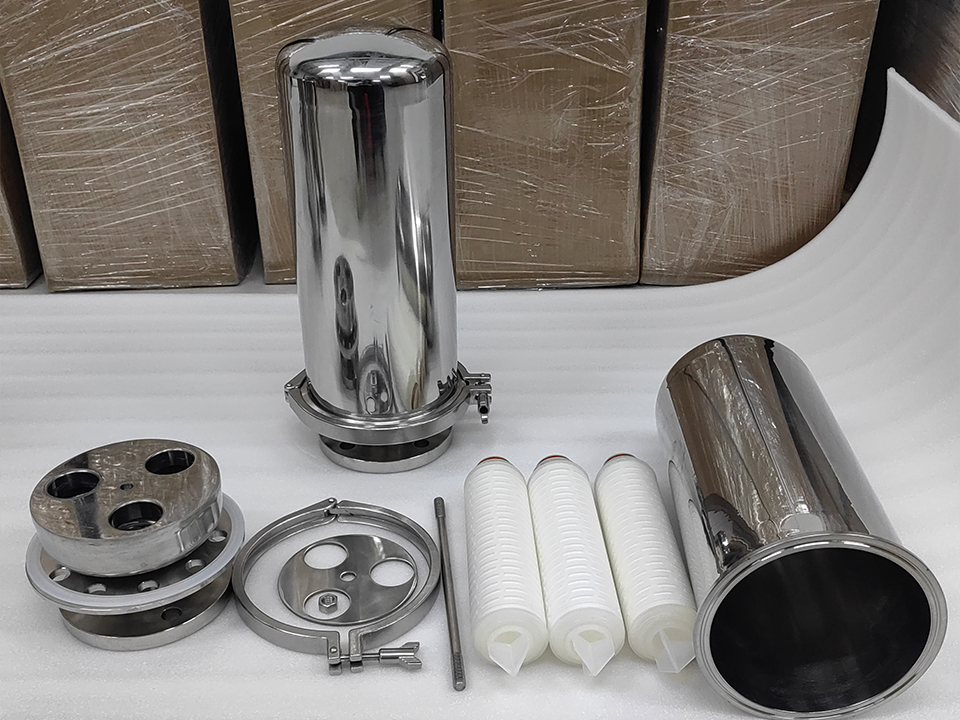
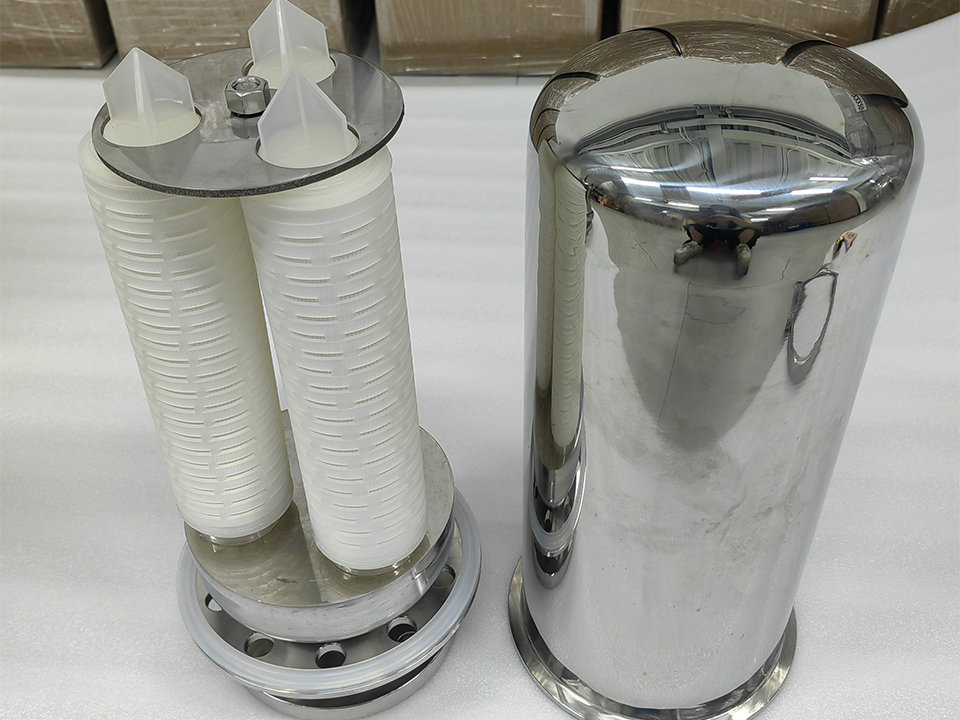
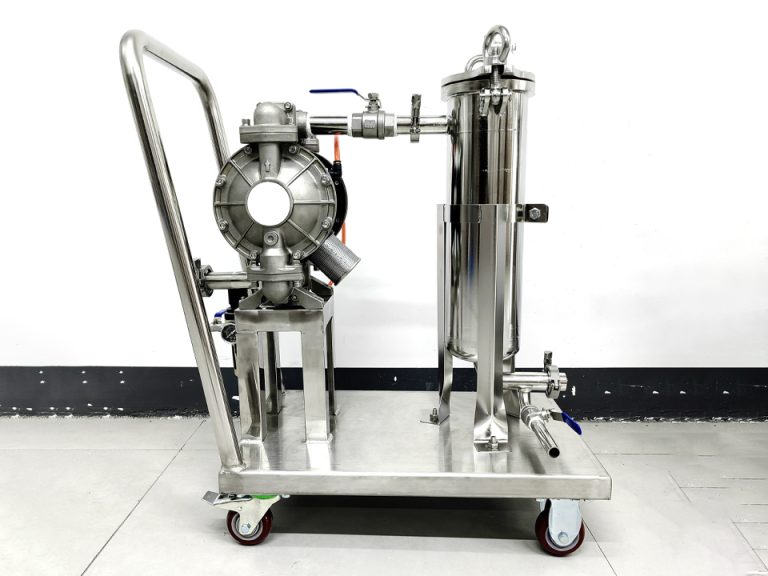
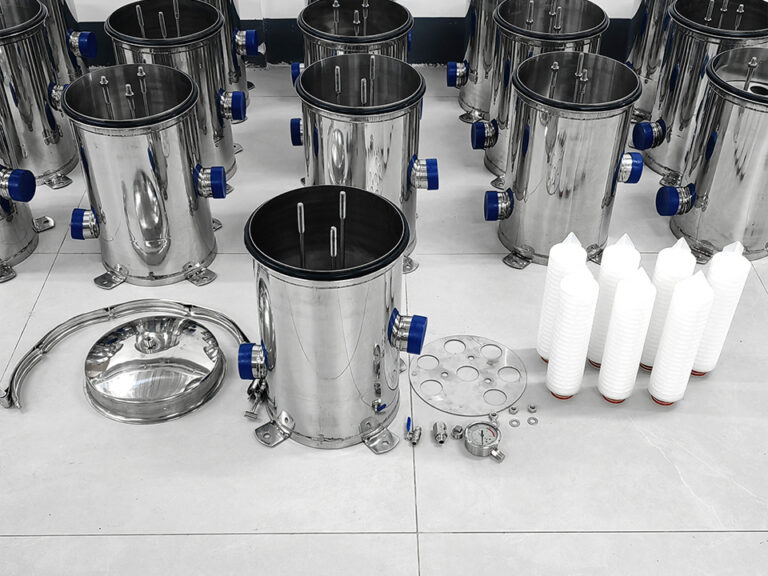
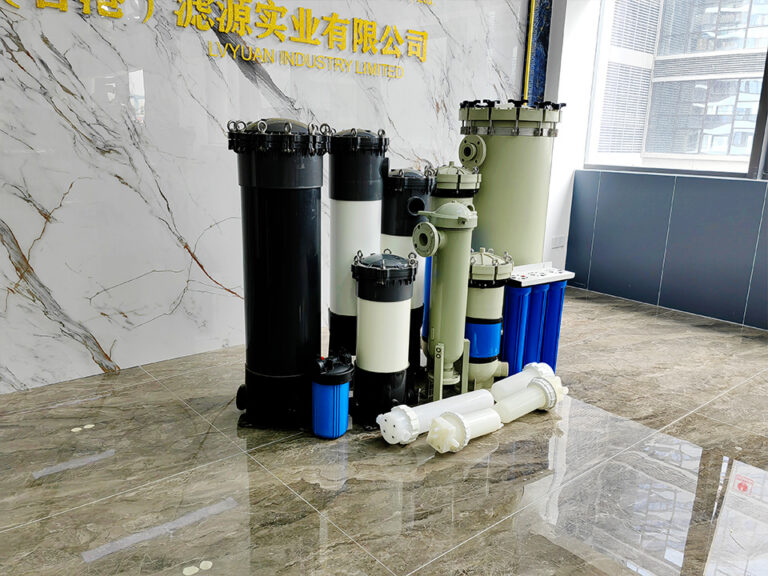
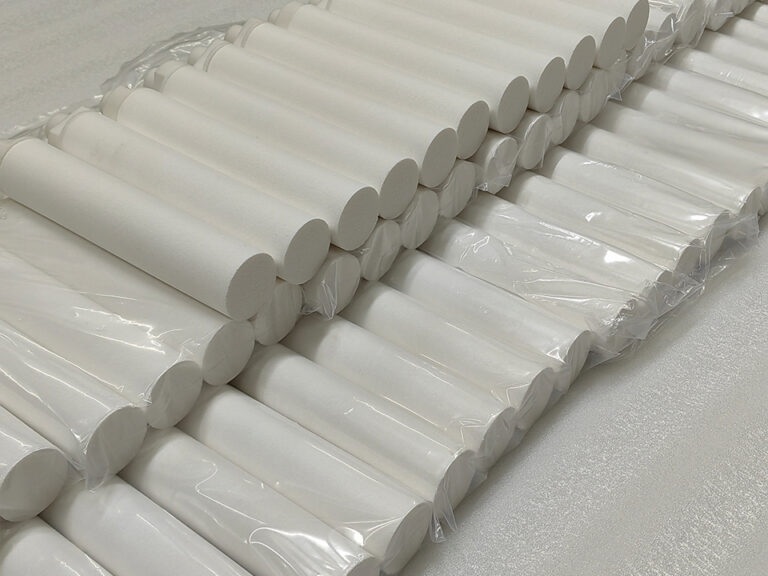
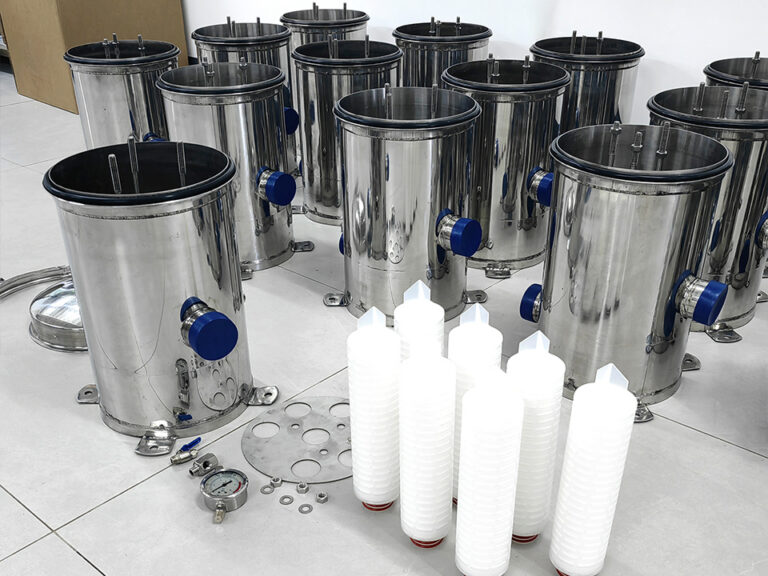
Guangzhou Lvyuan Water Purification Equipment Co., Ltd. é um fabricante de filtros industriais fundado em 2009 que projeta e fabrica carcaças de filtro de aço inoxidável, tanques de água estéril de aço inoxidável, elementos de filtro, sacos de filtro, materiais de ultra-polímero e produtos de filtro sinterizado. Os compradores escolhem a Lvyuan devido ao apoio OEM/ODM, ao controlo de qualidade ISO9001 e às certificações de vários países.
Guangzhou Lvyuan Water Purification Equipment Co., Ltd.
Caixas de plástico vs. caixas de aço inoxidável para projetos de osmose inversa (RO) com restrições orçamentais
Essa é a verdade incómoda por trás de muitas decisões de compra de sistemas de osmose inversa: um grupo de trabalho poupa dinheiro no pacote inicial, comemora o menor investimento de capital e, depois disso, passa os três anos seguintes a investir silenciosamente na substituição de reservatórios rachados, instalações corroídas, roscas danificadas, vedantes incompatíveis e cartuchos que os operadores não conseguem remover sem dificuldade.
O erro oposto é igualmente comum. O aço inoxidável é escolhido porque tem um aspeto profissional, transmite confiança ao cliente e fica bem nas fotografias durante a fase de colocação em serviço — mesmo quando um reservatório de polímero ou de compósito reforçado com fibras, devidamente classificado, cumpriria exatamente a mesma função com um custo de instalação inferior.
A minha visão sincera é muito clara: A melhor opção em termos de membrana de osmose inversa não é a mais barata nem a melhor habitação. É a habitação menos dispendiosa que consegue cumprir os limites operacionais reais sem gerar dívidas de manutenção.
Qual é o âmbito operacional que quase nunca é descrito adequadamente na primeira cotação.
Para começar, deixe de tratar todos os “imóveis de plástico” como se fossem o mesmo produto
“Caixa de plástico” é um termo de compra impreciso.
Pode referir-se a um invólucro de cartucho em polipropileno moldado por injeção utilizado no pré-tratamento de sedimentos. Pode referir-se a uma cabeça em termoplástico de engenharia. Ou pode ser uma abreviatura para um recipiente sob pressão em plástico reforçado com fibras, vulgarmente designado por FRP, que contém vários elementos de camadas de membranas de osmose inversa enrolados em espiral.
Esses artigos não são compatíveis.
Os cartuchos de polipropileno reforçado são normalmente utilizados em aplicações de filtração residencial, comercial e da indústria ligeira, uma vez que o polipropileno oferece resistência química, peso reduzido e moldagem económica. A Pentair, por exemplo, apresenta carcaças de polipropileno reforçado para aplicações residenciais, comerciais e industriais, enquanto a sua gama Large Blue, de grande capacidade, utiliza tampas de polipropileno de alto caudal e aceita cartuchos com 4,5 polegadas de diâmetro. O recipiente de pressão para osmose inversa constitui outra classe de equipamentos totalmente distinta. As caixas compostas Codeline 40E da Pentair são utilizadas em configurações de 300, 600 e 1 000 psi, enquanto a família 80S abrange pressões de 150 a 1 200 psi para componentes típicos com membranas de 8 polegadas. Tudo isto.
Assim que a pressão, a carga cíclica, o tipo de fecho das extremidades, o comprimento da camada de membrana, a carga motriz, a geometria das articulações, o nível de temperatura da água e a exposição à limpeza química forem incluídos nas especificações, a questão frequentemente ignorada — “plástico ou aço inoxidável?” — passa a ser uma escolha de engenharia com várias soluções distintas.
Então, o que é que estamos realmente a comparar?
A verdadeira questão é: CAPEX versus risco de falha
Os projetos sensíveis aos custos centram-se normalmente no custo de aquisição, uma vez que esse valor é visível, flexível e fácil de inserir numa folha de cálculo.
A exposição ao fracasso é mais difícil.
Inclui o tempo de paragem, o transporte de emergência, os espaços de equipamento sobrecarregados, os danos na camada de membrana, a mão-de-obra necessária para as paragens forçadas, a indisponibilidade de peças de substituição, a contaminação após a manutenção e o custo político de explicar a um cliente por que razão o material “económico” durou apenas 18 meses.
A pressão sobre os planos de investimento em empregos é real. A avaliação de 2023 da Agência de Proteção Ambiental dos Estados Unidos (EPA) sobre as infraestruturas de água potável estimou uma procura a nível nacional, num horizonte de 20 anos, de $625 mil milhões, para cima 32% da análise anterior, que consistia em cerca de $107 mil milhões para instalações de tratamento. Essa variação explica por que razão os engenheiros estão a ser pressionados a reduzir os custos em todos os projetos de reservatórios, bombas, plataformas móveis e instrumentos. É preciso ter cuidado.
Prefiro prescindir de molduras decorativas em aço inoxidável, de instrumentos de grande dimensão ou de automação desnecessária do que reduzir a qualidade de uma peça sob pressão cuja falha possa paralisar a fábrica. Esse ponto de vista irá certamente frustrar alguns grupos de compras. Continua, no entanto, a ser o melhor ponto de vista.
Onde os imóveis «Plastic RO» se situam
As opções de caixas de membrana RO em plástico são uma boa escolha quando a manutenção é controlada, simples e bem compreendida.
Entre os benefícios típicos contam-se:
Menor custo inicial de aquisição
Peso de entrega reduzido
Manuseamento mais fácil durante as modificações do cartucho
Excelente resistência a muitos ácidos, antiácidos e produtos químicos de tratamento
Não é ferrugem vermelha convencional
Ampla disponibilidade nos modelos padrão de cartuchos de 10 polegadas e 20 polegadas
Custo reduzido dos substitutos para pequenos sistemas industriais
Não condutividade elétrica
Polipropileno, cuja fórmula química é (C CINCO H SEIS)ₙ, é amplamente utilizado devido à sua baixa espessura, resistência química, baixa absorção de água e facilidade de fabrico. No entanto, essas características não eliminam as restrições relacionadas com a temperatura, a radiação ultravioleta, o impacto, a fluência, a tensão ou as ligações roscadas.
Uma caixa de plástico não precisa de se derreter ou de se deformar visivelmente para se tornar um mau investimento. O aperto excessivo repetido, a tubagem sem suporte, o golpe de aríete, a exposição solar, os ciclos térmicos ou um bocal de aço mal alinhado podem danificar uma tampa de polímero muito antes de a compatibilidade química normal se tornar um problema.
O plástico é barato. O uso indevido, não.
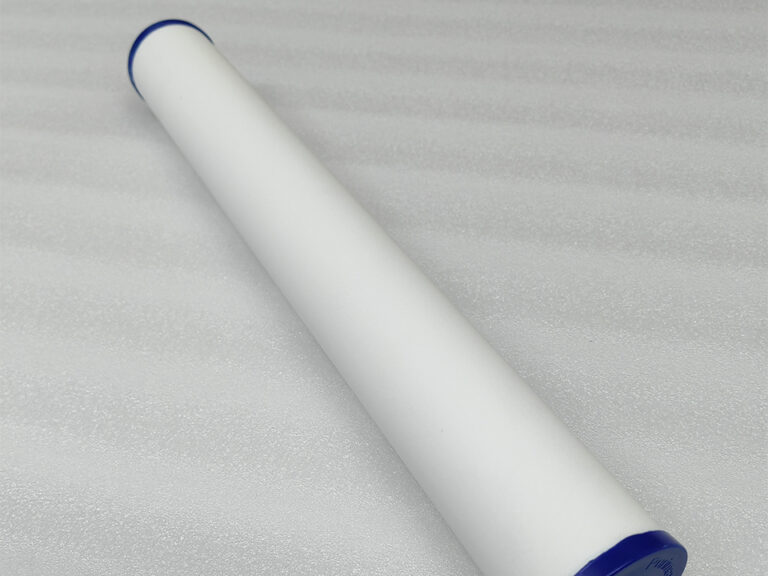
No que diz respeito ao pré-tratamento a baixa pressão, contudo, os sistemas de polímeros são difíceis de superar. Uma pequena unidade de osmose inversa (RO) que trate de água de alimentação da rede pública razoavelmente limpa pode não necessitar de nada mais específico do que um sistema de polímeros com as dimensões adequadas e um sistema de retenção de resíduos, tal como um Cartucho de filtro de substituição para sedimentos em PP de 1 mícron a jusante de um cartucho de granulometria mais grossa.
O erro está a ser cometido ao optar pelo plástico. O erro está em escolher o plástico sem validar a curva de pressão-temperatura publicada do modelo, as restrições de carga, o material da vedação, a certificação e o ambiente de instalação.
Quando os imóveis em aço inoxidável justificam os custos
O aço inoxidável justifica o seu custo mais elevado quando as condições de funcionamento são exigentes para caixas de construção leve ou quando a higiene e a durabilidade mecânica representam um valor financeiro concreto.
Pode ser preferível utilizar um recipiente para a membrana de osmose inversa (RO) em aço inoxidável ou um cartucho nos casos em que o sistema se depare com:
Desmontagem regular
Temperaturas ambientes ou de processo elevadas
Impacto mecânico
Lavagem intensiva
Exigências de fabrico higiénico
Desinfecção com vapor a alta pressão ou água quente
Especificações rigorosas para produtos vegetais
Tempo de inatividade na produção de alto valor
Estrutura comercial sujeita a restrições
Elos complexos soldados ou com flanges
O aço inoxidável também oferece uma plataforma mais rígida para avaliar, drenar tubagens, ventilações, braçadeiras, ligações sanitárias e válvulas automáticas. Essa rigidez pode reduzir os problemas de manutenção causados pela tensão e pelo movimento das tubagens.
Mas o aço inoxidável não é mágico.
O tipo 316L é normalmente mais resistente à corrosão do que o 304L em muitos ambientes, sobretudo devido ao seu teor de molibdénio; no entanto, a água com cloretos pode ainda assim provocar corrosão por pite, corrosão perfurante ou fissuração por corrosão sob tensão. As orientações do setor alertam também para o facto de que as soluções quentes e com elevado teor de cloretos — geralmente acima de cerca de 50 °C— permite testar as habituais qualidades austeníticas 304L e 316L. Um comprador pode pagar o preço do aço inoxidável e, mesmo assim, adquirir a liga errada.
No caso de água salobra, água salgada, exposição a hipoclorito, limpeza ácida ou soluções a altas temperaturas, a designação “aço inoxidável” não constitui uma especificação completa. O tipo de aço, o tratamento das soldaduras, o acabamento da superfície, a concentração de cloretos, o pH, o oxigénio dissolvido, a temperatura, o tempo de exposição direta, a geometria das fendas e o procedimento de limpeza são todos fatores relevantes.
Filtros de plástico vs. filtros de aço inoxidável: comparação direta
Variável de escolha
Imobiliário de plástico ou de polímeros melhorados
Imobiliário em aço inoxidável
A minha avaliação
Custo inicial de aquisição
Normalmente mais baixo
Geralmente mais elevado
O plástico costuma levar a melhor no CAPEX
Portes e despesas de envio
Leve
Maior
O plástico é muito mais suave para os pequenos patins
Resistência química
Resistente a muitos produtos químicos comuns, mas específico para resinas
Depende da liga; está sujeito a danos causados por alguns cloretos e produtos de limpeza
Nenhum dos dois produtos se destaca, em geral
Efeito mecânico
Mais suscetível a quebras ou danos nas roscas
Normalmente mais potente e muito mais rígido
Vitórias incontestáveis revelaram uma solução comercial
Tolerância à temperatura
Normalmente, muito mais restrito
Normalmente mais elevado
Vitórias na limpeza a quente e na higiene do aço inoxidável
Aspetos de deterioração
Sem corrosão normalizada
Pode provocar manchas, oxidação ou corrosão nas fendas
O plástico ganha em termos estéticos, mas nem sempre em termos estruturais
Resistência à tensão
Específico para cada produto; variedades que vão desde reservatórios de baixa pressão até recipientes em FRP de 1 200 psi
Específico do produto e dependente do processo de fabrico
A pontuação atribuída à embarcação determina
Peso de manutenção
Mais fácil de levantar e mudar
Mais pesado, mas normalmente muito mais resistente
Aposte na acessibilidade e na regularidade
Fabrico higiénico
Mínimo nas caixas roscadas do produto
Resistente, com designs em aço inoxidável 316L para uso sanitário
Stainless: vitórias nos setores alimentar, das bebidas e farmacêutico
Exposição aos raios UV
Pode ser necessário utilizar blindagem
Muito maior durabilidade no exterior, com base na área afetada pela ferrugem
O aço inoxidável costuma levar a melhor
Economia dos bens substitutos
Substituição total a um preço acessível
É mais económico reparar ou fazer a manutenção a longo prazo
Depende da vida útil
A melhor situação de utilização
Filtração protegida, para serviços moderados e com custos controlados
Condições de funcionamento adversas, exigentes em termos de higiene, a altas temperaturas ou sujeitas a forças mecânicas
Adaptar-se ao ambiente
A pontuação de stress supera a publicidade do produto
O produto imobiliário, por si só, não determina a pressão de serviço sem risco.
É a montagem completa que o faz.
Isso inclui a cobertura, a tampa, o corpo, o fecho da extremidade, o anel de fixação, as juntas, as aberturas, as inserções roscadas, as braçadeiras, os adaptadores de membrana, as aberturas de penetração, o processo de fabrico, a análise de provas, a base de esgotamento e o nível de temperatura de funcionamento permitido.
Um recipiente composto pode funcionar com segurança sob tensões muito superiores às suportadas por um cartucho imobiliário em aço inoxidável. Os produtos da Pentair da linha Codeline demonstram isso claramente: a gama 40E de 4 polegadas atinge os 1 000 psi, e as variantes 80S de 8 polegadas atingem os 1 200 psi. Uma especificação de maio de 2024 para o Codeline 80H120 identifica um recipiente de fibra de vidro de 1 200 psi destinado a soluções de dessalinização de água salgada. Um recipiente de filtro em aço inoxidável concebido para purificação por cartucho de baixa pressão poderá não ter capacidade para funcionar à pressão de alimentação de osmose inversa (RO).
O brilho não significa nada.
Pergunte qual é a pressão de trabalho máxima permitida à temperatura real de funcionamento. Pergunte se a classificação é fixa ou se é adequada para ciclos de esforço repetidos. Pergunte o que acontece em caso de problemas de bloqueio de fluxo. Pergunte exatamente como é assegurada a estanqueidade da conclusão. Pergunte se o recipiente deve ser despressurizado antes de cada substituição.
E faz a pergunta de que os fornecedores não gostam: Qual é o componente que avaria primeiro?
Um modelo de preços que as equipas de compras possam realmente utilizar
Uma comparação justa deve ter em conta o preço anualizado da instalação, e não apenas o custo da habitação.
Utilize esta estrutura:
Despesa imobiliária anualizada = Custo inicial de instalação ÷ Vida útil prevista + Manutenção anual + Despesa prevista com avarias
A despesa prevista com avarias pode ser estimada da seguinte forma:
Probabilidade de falha × Custo do efeito
Consideremos um pequeno exemplo de tarefa industrial:
Introdução de despesas
Caixa de plástico
Stainless Imobiliária
Elaborar um plano de habitação
$220
$680
Vida útil prevista
4 anos
12 anos
Custo de aquisição anualizado
$55
$57
Manutenção anual de rotina
$35
$25
Exposição direta anual estimada a falhas
$80
$20
Valor aproximado anualizado total
$170
$102
Estes números não são cotações de fornecedores. São um exemplo claro que demonstra por que razão o custo de aquisição mais acessível pode acabar por sair mais caro quando se têm em conta o tempo de inatividade e o risco de substituição.
Altere os pressupostos e as modificações da solução.
Numa sala de serviços protegida, com água ambiente, tensão constante, operadores experientes e material de substituição sempre disponível, o plástico pode representar a despesa anualizada mais baixa. Numa unidade industrial remota, onde uma tampa rachada interrompe a produção durante 2 dias, o aço inoxidável pode tornar-se mais económico, mesmo a um preço três vezes superior ao normal.
Este é o cálculo que muitas vezes se evita, uma vez que a probabilidade de falha é difícil de estimar. Se, mesmo assim, não se tiver em conta este fator, o projeto acabará por ter de arcar com os custos dessa quantidade não identificada mais tarde.
O pré-tratamento pode ser mais importante do que o próprio produto imobiliário
Eis aqui uma afirmação controversa: muitos conflitos habitacionais resultam de um mau planeamento da fase de pré-tratamento.
Uma caixa em aço inoxidável de baixo custo não salvará, certamente, um sistema de osmose inversa que esteja sobrecarregado com sólidos em suspensão, ferro, resíduos biológicos ou cartuchos de purificação mal selecionados. Por outro lado, uma caixa de plástico de baixo custo pode funcionar de forma fiável quando a acumulação de resíduos, a pressão diferencial e a substituição dos cartuchos são devidamente geridas.
Por que é que isto influencia a escolha do imóvel?
Devido ao facto de o carregamento do cartucho gerar tensão diferencial. A pressão diferencial melhora o desempenho do acionador. Uma intervenção ainda maior implica mais operações de abertura, fecho, manuseamento das juntas, desgaste das roscas, desgaste das braçadeiras e maior probabilidade de danos.
Uma aplicação com elevada carga de sujidade também pode beneficiar da utilização de cartuchos mais longos. Padrão Cartuchos de polipropileno para detritos de 10, 20, 30 e 40 polegadas permite aos projetistas aumentar a área de filtração e minimizar a frequência das substituições, desde que o espaço e a circulação de fluxo sejam devidamente dimensionados.
No caso dos sistemas portáteis, um Cartucho de PP de 10 polegadas, fabricado por sopro a quente, com núcleo de polipropileno pode ser um elemento de pré-tratamento adequado. No entanto, as dimensões do cartucho, por si só, não determinam o desempenho. A classificação em mícrons, a capacidade de retenção de impurezas, a queda de pressão, a construção, a temperatura e a carga real da água de alimentação continuam a necessitar de análise.
A minha sugestão categórica: invistam tempo de engenharia no pré-tratamento antes de gastarem dinheiro em acabamentos estéticos no aço inoxidável.
Como escolher um imóvel com membrana de osmose inversa sem ter de adivinhar
Recorra a uma matriz de design por escrito. Não escolha com base numa fotografia do produto.
No mínimo, envie:
Pressão de funcionamento normal: Indique a tensão constante prevista em bar e psi.
Pressão de layout: Incluem a pressão de corte da bomba, o encerramento do sistema, o golpe de aríete e as condições de bloqueio do fluxo.
Temperatura de funcionamento: Registe os níveis de temperatura normal, mínima, máxima, de limpeza e de higienização.
Química da água: Incluir o pH, os sólidos em suspensão totais, o cloreto, o cloro livre, o ferro, o manganês, a sílica, a dureza e os oxidantes.
A química mais limpa: Identificar o NaOH, o ácido cítrico, os tensioativos, o bisulfito de sódio, o ácido peracético, os compostos de cloro e o período de exposição.
Formato da membrana: Especifique 1812, 2521, 2540, 4040, 8040, a quantidade de componentes e o plano de carregamento.
Cargas de ligação: Registar o peso da conduta, a vibração, a necessidade de válvulas de apoio, as avaliações e os requisitos relativos às ligações flexíveis.
Ambiente de instalação: Em ambientes interiores, exteriores, sujeitos a lavagem, no setor marítimo, em instalações alimentares, em telhados, expostos à radiação ultravioleta ou em condições de frio intenso.
Requisitos de certificação: A norma NSF/ANSI 58 abrange os sistemas de osmose inversa (RO) no ponto de utilização e as respetivas peças; no entanto, os projetos comerciais podem necessitar de diversos documentos relativos à pressão, ao produto, às normas sanitárias ou aos códigos locais. egy: ** Especifique vedantes sobressalentes, cabeças sobressalentes, reservatórios sobressalentes, recipientes completos adicionais, ferramentas e stock local.
Habilidade do condutor: Uma caixa que funciona numa instalação com pessoal pode deixar de funcionar repetidamente numa instalação negligenciada.
Efeito da falha: Distinguir uma infiltração inofensiva de inundações, contaminação, lesões e paragem da produção.
Depois disso, avalie cada potencial cliente.
Um imóvel económico para o sistema de osmose inversa não é aquele que satisfaz a maioria das necessidades. Os dispositivos de contenção de pressão têm de cumprir todos os requisitos necessários, devendo os custos ser tidos em conta na escolha entre alternativas certificadas.
As minhas regras de seleção de produtos
Utilizo 4 regulamentos genéricos.
Selecione «plástico» ou «polímero melhorado» quando os níveis de pressão e temperatura são moderados, a química funciona, as instalações estão protegidas, as peças de substituição são baratas e uma avaria seria certamente superável.
Opte pelo aço inoxidável quando A caixa será aberta com frequência, lavada com força, submetida a tratamentos, esterilizada com calor, integrada diretamente na rede de canalização sanitária ou instalada em locais onde o tempo de inatividade é dispendioso.
Opte pelo FRP para as partes da membrana sujeitas a alta pressão quando A classificação do recipiente, o tipo de camada de membrana, a composição química e o design da vedação, tal como são aceites, adequam-se melhor à tarefa do que um recipiente metálico. Não se deve menosprezar o FRP como sendo “plástico barato”; os recipientes de pressão de RO em compósito modernos são equipamentos industriais desenvolvidos.
Recuse ambos os materiais quando a composição química da água ou a rotina de limpeza excedam os limites normalmente admitidos. Águas extremamente salinas, oxidantes, ácidas ou quentes podem exigir a utilização de aço inoxidável duplex, «very duplex», ligas de aço de alta resistência, recipientes revestidos ou outro produto especial.
Não existem materiais de herói.
Perguntas Frequentes
O que é uma membrana de RO de plástico para o setor imobiliário?
Um invólucro de plástico para membranas de osmose inversa (RO) é um recipiente à base de polímeros ou compósito utilizado para conter cartuchos de filtração ou componentes de membrana, normalmente escolhido devido ao seu baixo custo de aquisição, peso reduzido, resistência química e maior facilidade de manuseamento, desde que os requisitos relativos à tensão, temperatura, certificação e limpeza se mantenham dentro dos limites estabelecidos pelo fabricante.
O comprador deve distinguir os invólucros de cartuchos de polipropileno de baixa pressão dos reservatórios de membrana em FRP de alta pressão. A sua construção, capacidade de pressão, configuração de fecho e aplicação são fundamentalmente diferentes.
O que é uma membrana de osmose inversa (RO) em aço inoxidável?
Um invólucro de membrana de osmose inversa (RO) em aço inoxidável é um recipiente fabricado em aço, normalmente especificado nas classes 304 ou 316L, escolhido quando o projeto exige maior proteção mecânica, maior tolerância à temperatura, construção sanitária, limpezas repetidas, resistência ao impacto ou um ambiente de funcionamento em que uma liga certificada ofereça um desempenho ao longo do ciclo de vida muito superior ao de um polímero de alta qualidade.
A qualidade do aço inoxidável é importante. Em soluções que contenham cloretos ou em soluções quentes, o 316L pode superar o 304L, mas ainda assim pode sofrer corrosão por pite, corrosão em fendas ou fissuração por corrosão sob tensão.
O que é melhor para o filtro de osmose inversa: plástico ou aço inoxidável?
O plástico é normalmente a melhor opção para uma aplicação de osmose inversa (RO) em que o custo é um fator determinante, desde que a aplicação seja realizada a baixa pressão, à temperatura ambiente, em condições químicas adequadas, protegida contra impactos e exposição direta aos raios ultravioleta, e conte com peças de substituição económicas; o aço inoxidável é uma opção muito mais adequada quando a limpeza, o desgaste mecânico, o calor, a desmontagem frequente ou os requisitos do utilizador justificam o seu custo de instalação mais elevado.
Nenhum dos dois materiais é, à primeira vista, excecional. A resposta correta depende da pressão, da temperatura, das características químicas, da regularidade da manutenção, da qualificação e das consequências em caso de falha.
Qual é o material mais eficaz para o invólucro de um sistema de osmose inversa?
O melhor material para o invólucro de um sistema de osmose inversa (RO) é aquele que, a um custo total mais baixo, cumpra de forma segura os requisitos relativos à pressão do sistema, nível de temperatura, composição química da água, produtos químicos de limpeza, certificação, ligações, manutenção e vida útil, em vez de ser o material com o custo de aquisição mais baixo ou aquele com a melhor apresentação na cotação do fornecedor.
Para numerosas gamas de membranas comerciais, os reservatórios em FRP classificados oferecem o equilíbrio adequado entre pressão e custo. Para a purificação sanitária por cartuchos, o aço inoxidável pode justificar a sua utilização. Para o pré-tratamento protegido a baixa pressão, o polipropileno reforçado continua frequentemente a ser a opção mais económica.
Os invólucros de filtro em plástico são adequados para aplicações comerciais de osmose inversa?
Os cartuchos de filtro de plástico podem ser utilizados em determinadas tarefas de pré-tratamento industrial por osmose inversa (RO) quando os seus limites de pressão, temperatura, compatibilidade química, caudal, ligação e certificação correspondem à aplicação; no entanto, um cartucho de polipropileno nunca deve ser considerado ideal para a fase da membrana de alta pressão apenas pelo facto de ser comercializado para purificação comercial ou industrial.
Verifique a versão exata. As descrições gerais dos produtos não constituem avaliações da imprensa.
O aço inoxidável 316L é sempre seguro para sistemas de osmose inversa (RO) em águas profundas?
O aço inoxidável 316L não é uma opção segura a nível global para sistemas de osmose inversa (RO) em águas profundas, uma vez que a concentração de cloretos, a temperatura, o oxigénio, as fendas, o estado das soldaduras, a tensão, os produtos químicos de limpeza e o tempo de exposição podem provocar ferrugem local ou fissuração por corrosão sob tensão, mesmo quando a liga apresenta um bom desempenho em águas muito menos agressivas.
No caso de água do mar ou de ambientes com elevada concentração de cloreto, solicite uma avaliação da resistência à corrosão, em vez de confiar apenas na designação “inoxidável”.”
Especifique a obrigação e, em seguida, compre a habitação
No caso de trabalhos de RO em que o custo é um fator determinante, não começaria por perguntar aos fornecedores quais são as suas alternativas mais económicas em plástico e aço inoxidável.
Certamente que lhes enviaria os exercícios.
Pressão. Temperatura. Cloretos. Produtos químicos de limpeza. Dimensão da camada da membrana. Carga do cartucho. Configuração do sistema. Frequência de abertura prevista. Vida útil exigida. Consequências de uma falha.
Depois disso, rejeitaria certamente qualquer orçamento que não mencionasse a versão do produto, a qualidade do produto, a tensão máxima de funcionamento, a redução de potência em função da temperatura, o material da vedação, a certificação e a disponibilidade de peças de substituição.
É assim que uma habitação a preços acessíveis acaba por se tornar uma habitação com boa relação custo-benefício.
Precisa de ajuda para escolher a membrana RO de plástico, o suporte em aço inoxidável, o cartucho de resíduos e a série com classificação em mícrons mais adequados às condições do seu projeto? Envie os dados relativos à água de alimentação, caudal, pressão, temperatura, tipo de membrana e vida útil pretendida para solicitar uma proposta de purificação tecnicamente adequada.