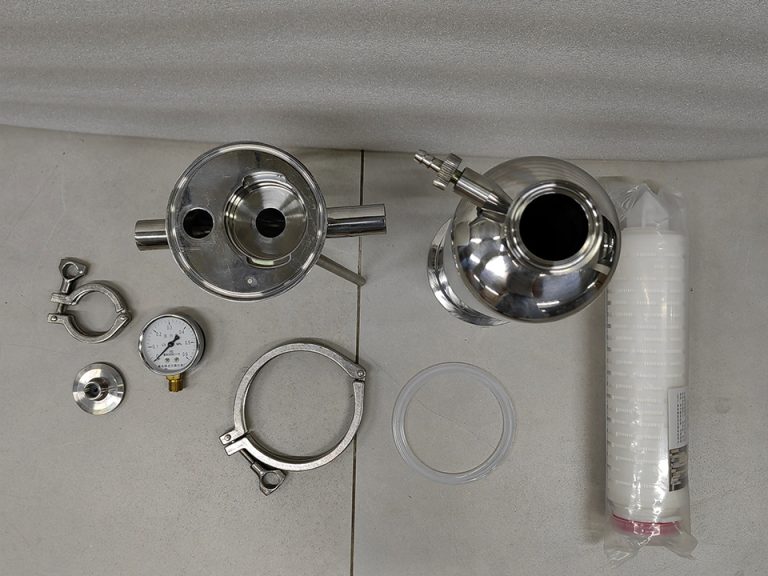
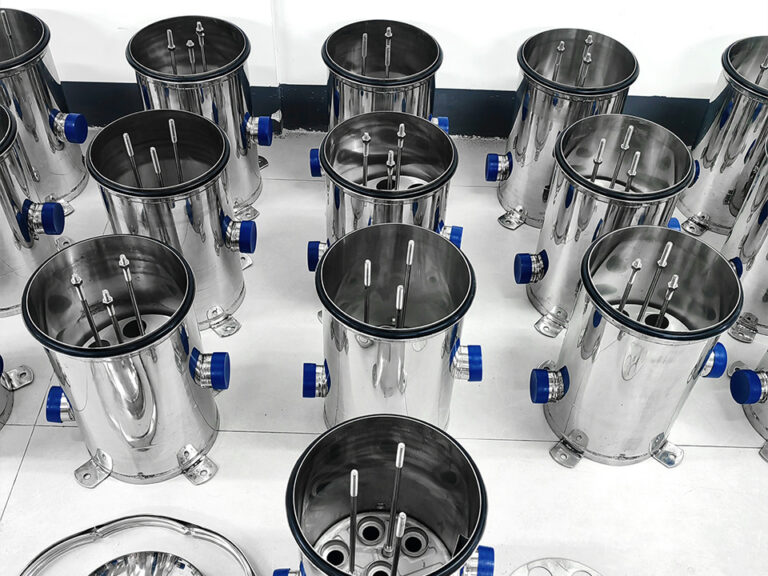
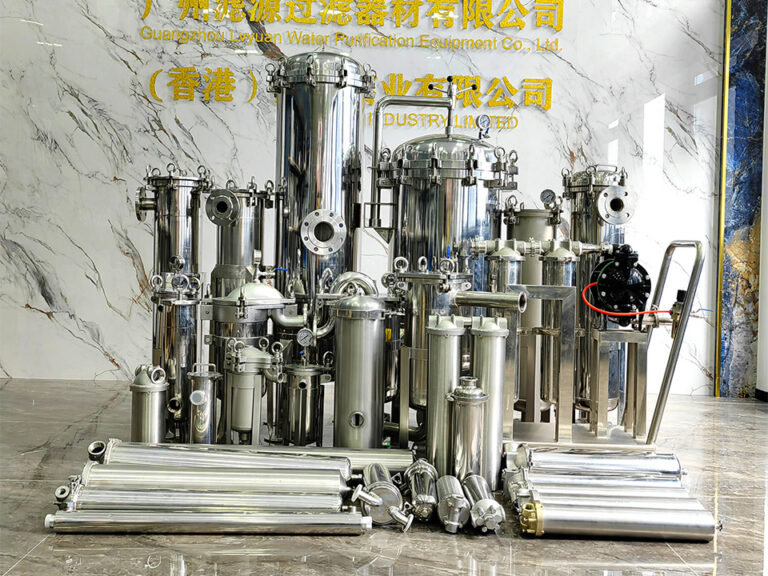
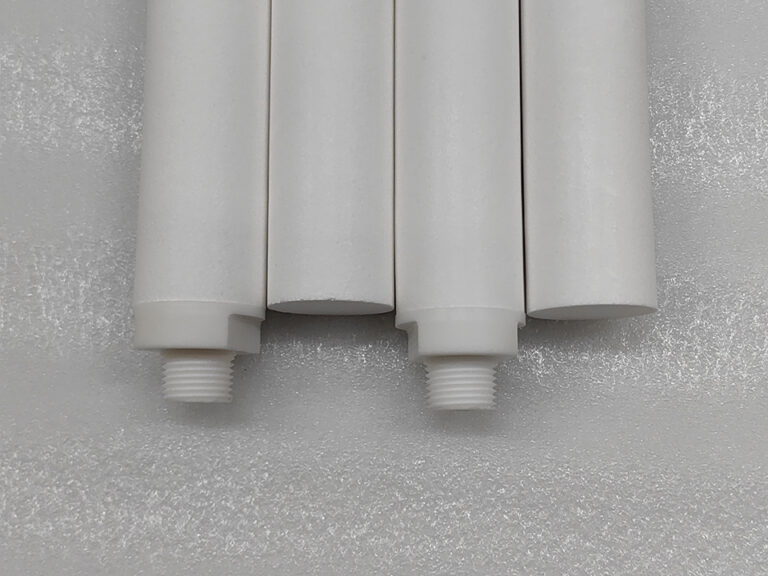
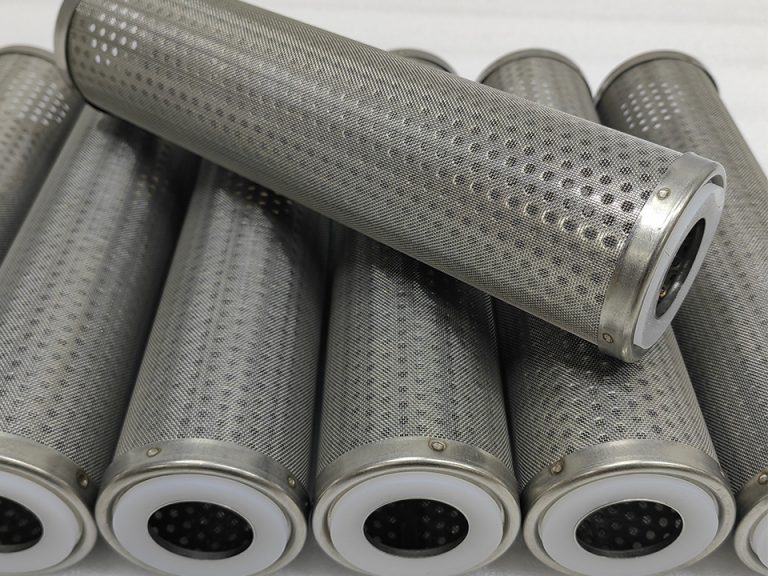
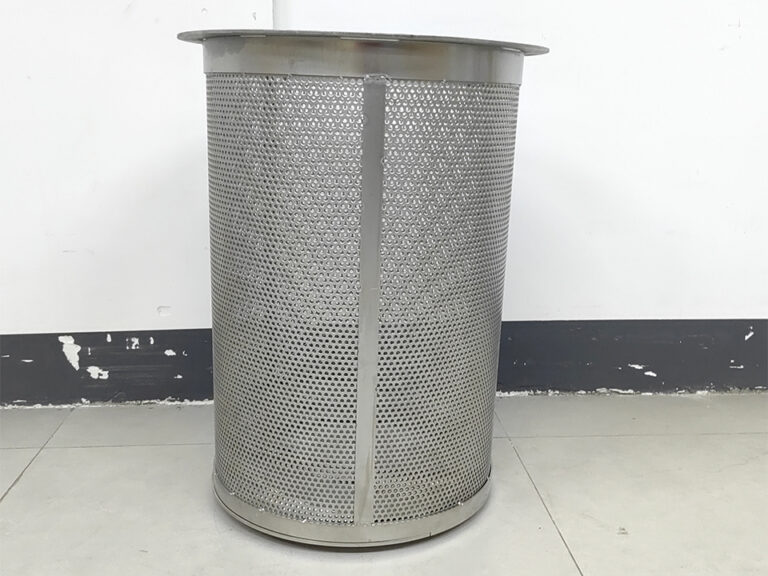
Guangzhou Lvyuan Water Purification Equipment Co., Ltd. é um fabricante de filtros industriais fundado em 2009 que projeta e fabrica carcaças de filtro de aço inoxidável, tanques de água estéril de aço inoxidável, elementos de filtro, sacos de filtro, materiais de ultra-polímero e produtos de filtro sinterizado. Os compradores escolhem a Lvyuan devido ao apoio OEM/ODM, ao controlo de qualidade ISO9001 e às certificações de vários países.
Guangzhou Lvyuan Water Purification Equipment Co., Ltd.
Cálculo do número de cartuchos para sistemas de filtração de 200 m³/h
A 200 m³/h, o cálculo parece quase embaraçosamente simples; no entanto, o resultado pode variar entre cinco elementos de alto caudal e mais de cem cartuchos padrão, assim que a viscosidade, os sólidos em suspensão, a classificação em mícrons, a pressão diferencial, a reserva contra obstrução e a redundância forem incluídos no cálculo.
Então, qual é o número que deve constar na ordem de compra?
A minha resposta é direta: Comece com quatro cartuchos de serviço e um cartucho de reserva ao utilizar elementos de alto caudal verificados de 60 polegadas — mas considere os cinco como uma estimativa orçamental, e não como um projeto definitivo.
Essa distinção é importante. Uma cotação baseada apenas em “200 m³/h” não é engenharia. É uma estimativa de vendas com um capacete de segurança.
A resposta, para começar: planeie com base em cinco cartuchos de alto caudal
Para um líquido semelhante à água, uma carga moderada de sedimentos e um elemento de grande diâmetro de 40 ou 60 polegadas devidamente selecionado, um resultado preliminar e fundamentado para o dimensionamento do filtro de cartucho é:
4 cartuchos em funcionamento + 1 cartucho de reserva = 5 cartuchos instalados
Isto pressupõe que cada cartucho de serviço tenha um caudal admissível corrigido de aproximadamente 54 m³/h, equivalente a 900 L/min. O cálculo é o seguinte:
200 m³/h ÷ 54 m³/h por cartucho = 3,70 cartuchos
Arredondar por excesso:
Carga N = 4 cartuchos
Em seguida, acrescente redundância operacional:
N instalados = 4 + 1 de reserva = 5 cartuchos
Essa é a versão simplificada. Mas a dura realidade é que um cartucho comercializado como “de alto caudal” não é automaticamente capaz de atingir 54 m³/h no seu líquido.
O valor final depende da curva real de pressão diferencial em função do caudal, e não do adjetivo indicado na embalagem.
Por que razão 200 m³/h, por si só, não pode determinar o número de cartuchos
Um cálculo correto do filtro de cartucho requer mais do que apenas o caudal da bomba. No mínimo, precisamos de:
Fluxo normal, mínimo e máximo
Temperatura do líquido
Viscosidade dinâmica em mPa·s ou cP
Total de sólidos em suspensão, ou TSS, em mg/L
Distribuição granulométrica
Classificação nominal ou absoluta em mícrons exigida
Pressão diferencial limpa e terminal
Materiais e geometria dos cartuchos
Horas de funcionamento previstas entre substituições
Requisitos de redundância
O guia de seleção de filtros de polipropileno da Pall, de janeiro de 2024, segue a mesma lógica: o tipo de fluido, os sólidos, a viscosidade, o pH, a temperatura, a pressão, a taxa de remoção e o caudal do líquido são todos considerados parâmetros para o dimensionamento. Indica ainda que os valores de caudal recomendados têm como objetivo otimizar a vida útil do filtro — e não apenas comprovar que o líquido consegue passar fisicamente pelo elemento. ([Pall][1])
Desconfio de qualquer proposta que divida 200 m³/h pelo valor máximo indicado no catálogo e se limite a isso.
O caudal máximo é um limite hidráulico. O caudal recomendado é um valor de funcionamento. O caudal sustentável em condições de contaminação é um valor totalmente diferente.
O cálculo do número de cartuchos que os engenheiros devem utilizar
A fórmula básica é:
N duty = Máximo(Q pico ÷ q admissível)
Onde:
Função N = número de cartuchos a funcionar em simultâneo
Pico Q = caudal máximo do sistema, e não apenas o caudal médio de produção
q admissível = caudal admissível corrigido por cartucho
Teto = arredondar sempre por excesso para o valor inteiro imediatamente superior
O caudal admissível do cartucho deve ser calculado da seguinte forma:
q admissível = q de referência × K viscosidade × K sólidos × K mícron × K temperatura × K incrustação
Cada fator de correção é normalmente 1,00 ou menos.
Por exemplo:
Caudal de referência de água limpa: 72 m³/h
Fator de correção combinado: 0.75
Caudal admissível corrigido: 72 × 0,75 = 54 m³/h
Então:
N duty = Máximo(200 ÷ 54) = 4
Para redundância N+1:
N instalado = N em serviço + 1 = 5
O fator de 0,75 não é uma constante universal. Trata-se de um pressuposto de engenharia para a elaboração de orçamentos numa fase inicial. Um circuito de água de arrefecimento limpo pode justificar um valor mais próximo de 0,85 ou 0,90. Um curso de água superficial sujo, água de poço rica em ferro, caldo de fermentação, revestimento com resina ou pasta concentrada podem fazer com que o fator se aproxime de 0,50 — ou menos.
Cálculo detalhado para um sistema de filtração de 200 m³/h
Considere esta base de projeto preliminar:
Parâmetro de conceção
Valor presumido
Fluxo normal
200 m³/h
Fluxo máximo
200 m³/h
Líquido
Água de processo semelhante à água comum
Temperatura
25 °C
Viscosidade
Aproximadamente 1 cP
Grau de filtração
5–10 µm
Carga de sólidos
Moderado
Cartucho de referência
Formato de alto caudal de 60 polegadas
Vazão recomendada de referência
1 200 L/min
Fator de correção combinado
0.75
Redundância
N+1
Primeiro, converta o caudal do sistema:
200 m³/h × 1 000 ÷ 60 = 3 333 L/min
Corrija o caudal do cartucho de referência:
1 200 L/min × 0,75 = 900 L/min
Calcular o número de turnos:
3 333 ÷ 900 = 3,70
Arredondar por excesso:
4 cartuchos de serviço
Adicionar uma posição de reserva:
5 cartuchos instalados
Uma tabela de dimensões da Pall, de janeiro de 2024, fornece valores de referência para caudais elevados, que variam entre algumas centenas de litros por minuto para os elementos mais curtos e um caudal recomendado de aproximadamente 1 200 L/min para o seu formato mais longo de alto caudal. Esses valores constituem pontos de referência úteis, mas não são garantias de desempenho transferíveis para cartuchos de outros fabricantes.
Esse aviso não é apenas uma formalidade jurídica. Os filtros plissados de alto caudal, os filtros de profundidade do tipo «melt-blown», os de PP de densidade graduada e os elementos sem núcleo podem apresentar áreas efetivas e quedas de pressão em estado limpo radicalmente diferentes, apesar de terem dimensões externas semelhantes.
Comparação da configuração dos cartuchos
A tabela seguinte aplica um 0,75 – fator de correção preliminar em relação aos caudais de referência documentados e, em seguida, adiciona um cartucho de reserva. Isso demonstra por que o formato do cartucho é mais importante do que o comprimento nominal do invólucro.
Arquitetura de cartuchos
Caudal de referência por elemento
Fluxo de conceção corrigido
Capacidade nominal de 200 m³/h
Instalado com N+1
A minha avaliação
60 polegadas de alto caudal
1 200 L/min
900 L/min
4
5
Ponto de partida preferido
40 polegadas de alto caudal
800 L/min
600 L/min
6
7
Prático quando o espaço em altura é limitado
30 polegadas de alto caudal
400 L/min
300 L/min
12
13
Mais vedantes, mão-de-obra e complexidade das embarcações
Cartucho padrão de 30 polegadas
40–90 L/min
30–67,5 L/min
50–112
51–113
Normalmente, não é uma boa opção económica para a função principal
Os valores de referência provêm do guia de seleção de 2024 e ilustram a capacidade em função do formato; os valores reais de projeto devem ser confirmados com base na curva de caudal específica do fluido do cartucho selecionado.
Olha só para esta variedade.
Cinco elementos contra 113 elementos não é uma simples diferença de arredondamento. Trata-se de uma instalação de filtração completamente diferente, com diâmetros de câmara, placas tubulares, requisitos de elevação, stocks, riscos de vedação e horas de manutenção distintos.
Escolher entre cartuchos de alto fluxo e cartuchos «Jumbo» de tecido fundido por sopro
Antes de aceitar uma contagem de cinco, solicite ao fabricante:
Curva de caudal de água limpa com a classificação em mícrons exigida
Pressão diferencial a 25 °C
Método de correção da viscosidade
Dados relativos à retenção de sujidade ou à carga de contaminantes
Pressão diferencial recomendada para a substituição
Classificação de resistência à pressão de colapso
Eficiência de retenção absoluta ou nominal
Dados relativos às normas de ensaio e à uniformidade dos lotes
Para sedimentos mais pesados, cartuchos de sedimentos de PP «melt-blown» de grande capacidade, nas configurações de 1–50 µm podem proporcionar uma filtração em profundidade útil a montante das membranas ou de equipamentos de processo sensíveis. A gama apresentada inclui comprimentos até 60 polegadas, diâmetros padrão na ordem dos 60–65 mm, diâmetros «jumbo» na ordem dos 110–115 mm, construção em PP e uma temperatura máxima de funcionamento de 80 °C.
No entanto, a pressão diferencial máxima do produto nunca deve ser confundida com o seu ponto normal de substituição.
A minha regra inabalável: conceber tendo em conta a capacidade útil de carga de terra, e não a pressão de sobrevivência.
Um cartucho capaz de suportar estruturalmente uma pressão diferencial de quase 3 bar pode, ainda assim, tornar-se comercialmente inviável muito antes de atingir esse valor. Os custos de bombagem aumentam, as vedações ficam sob tensão, o risco de desvio aumenta e a produção fica vulnerável a um pico repentino de pressão.
A queda de pressão é o custo que ninguém calcula corretamente
A 200 m³/h:
Q = 200 ÷ 3 600 = 0,0556 m³/s
A potência hidráulica consumida pela pressão diferencial do filtro é:
P = Q × ΔP
Por cada 1 barra, ou 100 000 Pa, ao longo do sistema de filtração:
P hidráulico = 0,0556 × 100 000 = 5,56 kW
Eficiência da bomba 75%:
P elétrica = 5,56 ÷ 0,75 = 7,41 kW
A 8 000 horas de funcionamento por ano:
7,41 × 8 000 = 59 280 kWh/ano
Tomando como exemplo um preço da eletricidade de $0,10/kWh, essa 1 barra desnecessária custa aproximadamente:
59 280 × $0,10 = $5 928 por ano
Isso aplica-se a um sistema.
E exclui os encargos de consumo, as perdas do motor fora da eficiência prevista, as interrupções na produção, a mão-de-obra e a redução da vida útil dos elementos. Um cartucho barato que funcione sob uma pressão diferencial elevada de forma persistente pode acabar por ser a opção mais dispendiosa.
Prefiro adquirir mais um compartimento para cartuchos do que obrigar quatro cartuchos a funcionar perto do seu limite hidráulico.
O dimensionamento de caixas não se resume a contar os orifícios numa placa tubular
Uma vez determinada a quantidade de cartuchos, o dimensionamento do corpo do filtro multicartucho deve ter em conta:
Velocidade de entrada e de saída
Distribuição do fluxo por cada elemento
Área aberta da placa tubular
Espaçamento entre cartuchos
Ventilação e drenagem completa
Tipo de fecho e folga de abertura
Peso do elemento molhado
Margem de corrosão
Compatibilidade das juntas
Pressão de projeto e requisitos normativos
Altura de remoção do elemento
A 200 m³/h, o caudal volumétrico é de aproximadamente 0,0556 m³/s.
Uma área de fluxo interna aproximada de DN150 pode produzir uma velocidade próxima de 3 m/s, dependendo da espessura real do tubo. Uma ligação DN200 está mais próxima de 1,8 m/s. Uma ligação de maior diâmetro implica, normalmente, menores perdas locais e uma distribuição mais suave, embora a escolha do bocal tenha de estar em conformidade com a norma de tubagem da instalação e com a velocidade admissível.
Uma má distribuição compromete o correto dimensionamento dos filtros de cartucho. Os elementos mais próximos da entrada recebem uma quantidade desproporcional de sólidos, ficam obstruídos primeiro e fazem com que os restantes cartuchos pareçam estar com carga insuficiente. Os operadores acabam por atribuir a culpa à qualidade dos cartuchos, quando o verdadeiro problema reside na hidráulica do recipiente.
O que os dados recentes do setor nos revelam, na verdade
As evidências mais relevantes de 2024 não dizem: “instale sempre cinco cartuchos”. Dizem que o desempenho da filtração deve ser avaliado como um sistema operacional completo.
O encontro de intercâmbio entre pares sobre a qualidade e a reutilização da água industrial, organizado pelo Departamento de Energia dos EUA a 21 de agosto de 2024, destacou o projeto de filtração automatizada da Nissan, que, segundo foi relatado, permite poupar 48,6 milhões de galões de água por ano através da eliminação das práticas de utilização de água de lavagem de uso único. A lição vai além do número apresentado no título: o valor da filtração resultou da automatização, da estratégia de reutilização e da integração dos processos — e não da aquisição de elementos filtrantes isolados.
O guia da Pall para 2024 apresenta uma observação mais discreta, mas igualmente importante: os caudais recomendados para os cartuchos são orientações destinadas a otimizar a vida útil do filtro, enquanto os valores de queda de pressão devem ser consultados na ficha técnica do produto em questão. O caudal indicado no catálogo é, portanto, um valor inicial, e não uma indicação definitiva da vida útil do cartucho.
E a disparidade na adoção continua a ser grande. A EPA informou que, em 2024, menos de 2% dos projetos de Desenvolvimento Rural do USDA incluía uma vertente de reutilização da água, apesar de a reutilização ser elegível para empréstimos e subvenções relevantes. Interpretei isso como uma prova de que o setor continua a investir insuficientemente em sistemas hídricos integrados, ao mesmo tempo que gasta em excesso com manutenção reativa.
Os dados da solicitação de cotação que evitam uma má compra
Um fornecedor não consegue determinar com fiabilidade o número de cartuchos a partir da informação “água, 200 m³/h, 5 mícrons”.”
Envie uma base de projeto adequada:
Dados necessários para o pedido de cotação
Por que é que o tamanho muda?
Fluxo normal e de pico
Determina a capacidade hidráulica e a relação de regulação
Intervalo de temperatura
Altera a viscosidade, as vedações e os limites dos meios
Viscosidade
Afeta diretamente a pressão diferencial limpa
TSS em mg/L
Indica a taxa de carga
Distribuição granulométrica
Indica se é mais adequada a filtração em profundidade ou a filtração superficial
Classificação nominal ou absoluta
Evita falsas equivalências em mícrons
Eficiência exigida
Define o desempenho real da remoção
ΔP máximo de limpeza
Mantém a capacidade de carga útil
ΔP terminal
Define o controlo de substituição
Horas de funcionamento exigidas
Converte a carga em expectativas de vida útil
Composição química e pH
Determina a compatibilidade entre PP, SUS304, SUS316L e as juntas
Filosofia da redundância
Determina a configuração de funcionamento, de espera ou duplex
Sem dados, não há confiança.
E rejeitaria qualquer promessa firme quanto à vida útil de um cartucho que não se baseasse em testes representativos com líquidos ou em dados fundamentados sobre a carga de contaminantes. Um cartucho pode durar seis semanas em água clarificada estável e seis horas após uma limpeza do depósito.
Perguntas mais frequentes
Como se determina o tamanho do filtro de cartucho para um sistema de 200 m³/h?
O dimensionamento de filtros de cartucho para um sistema de 200 m³/h é o processo de engenharia que consiste em dividir o caudal máximo de projeto pelo caudal admissível verificado por cartucho, tendo em conta a viscosidade, os sólidos em suspensão, classificação em mícrons, queda de pressão, margem de incrustação, temperatura de funcionamento e redundância, e, por fim, arredondar para cima para se obter uma configuração prática de caixa com vários cartuchos.
Para uma capacidade corrigida de alto caudal de 54 m³/h por cartucho, o sistema necessita de quatro cartuchos em funcionamento. Ao adicionar uma posição de reserva, obtém-se um compartimento com cinco cartuchos.
Quantos cartuchos de filtro são necessários para 200 m³/h?
Um sistema de filtração de 200 m³/h necessita normalmente de cerca de quatro cartuchos em funcionamento, mais um cartucho de reserva, uma vez que se verificou que os elementos de alto caudal de 60 polegadas conseguem processar com segurança cerca de 900 L/min cada um após a correção; os cartuchos padrão podem exigir dezenas, pelo que a contagem final deve basear-se nas curvas de pressão diferencial e de caudal específicas do produto.
No caso de água suja ou de um funcionamento conservador, o número pode aumentar para seis elementos em funcionamento mais um de reserva. Cinco é, portanto, um bom ponto de partida em termos orçamentais, mas não uma garantia incondicional.
Qual é o melhor tamanho de filtro de cartucho para 200 m³/h?
O melhor tamanho de cartucho para 200 m³/h é, geralmente, um formato de alto caudal com diâmetro grande e 40 ou 60 polegadas de altura, uma vez que reduz o número de elementos, o diâmetro do recipiente, o trabalho de substituição e os pontos de vedação, desde que o meio filtrante, classificação em mícrons, composição química, temperatura e pressão diferencial limpa correspondam ao perfil real do líquido e da contaminação.
Um formato de 60 polegadas proporciona, normalmente, o menor número de elementos. Um modelo de 40 polegadas pode ser mais adequado nos casos em que a altura do teto, a altura livre para elevação ou os limites de manuseamento do operador condicionam a conceção do recipiente.
Como se calcula o número de cartuchos de filtro necessários?
A contagem de cartuchos é calculada convertendo o caudal do sistema para as mesmas unidades que a classificação do cartucho, dividindo o caudal de pico pelo caudal admissível corrigido por elemento, arredondando para cima e, em seguida, adicionando uma margem de projeto ou uma posição de reserva N+1, para que o invólucro possa satisfazer o caudal durante a obstrução, a manutenção ou uma carga anormal de sólidos.
Para um caudal do sistema de 3 333 L/min e um caudal corrigido do cartucho de 900 L/min, o resultado é 3,70. Arredonde para quatro cartuchos de serviço e, em seguida, acrescente a redundância necessária.
Uma caixa com um único cartucho consegue processar 200 m³/h?
Um compartimento para um único cartucho não é adequado como filtro principal para um caudal de 200 m³/h, uma vez que um elemento convencional de 10 a 40 polegadas não consegue suportar esse caudal com uma queda de pressão aceitável; no entanto, pode ainda assim servir como circuito piloto, linha de amostragem, derivação química ou ponto de refinamento a jusante.
Esta função principal requer um recipiente com vários cartuchos devidamente distribuídos, um corpo de alto caudal ou vários corpos em paralelo. Uma configuração duplex também pode ser adequada quando é obrigatória uma operação ininterrupta.
Obtenha uma contagem de cartuchos justificável de 200 m³/h
Não envie apenas o caudal.
Indique a composição do líquido, a temperatura, a viscosidade, o TSS, a distribuição das partículas, a eficiência em mícrons, o plano de funcionamento, a pressão diferencial admissível, o comprimento preferencial do cartucho, o material do invólucro e os requisitos de redundância.
Para elaborar um orçamento preliminar, comece por cinco cartuchos de alto caudal de 60 polegadas: quatro em funcionamento e um de reserva. No que diz respeito à aquisição, solicite a curva de caudal, calcule a capacidade corrigida, verifique a velocidade no bocal e obtenha uma confirmação por escrito da pressão diferencial limpa prevista.
Qualquer coisa menos do que isso não passa de suposições.