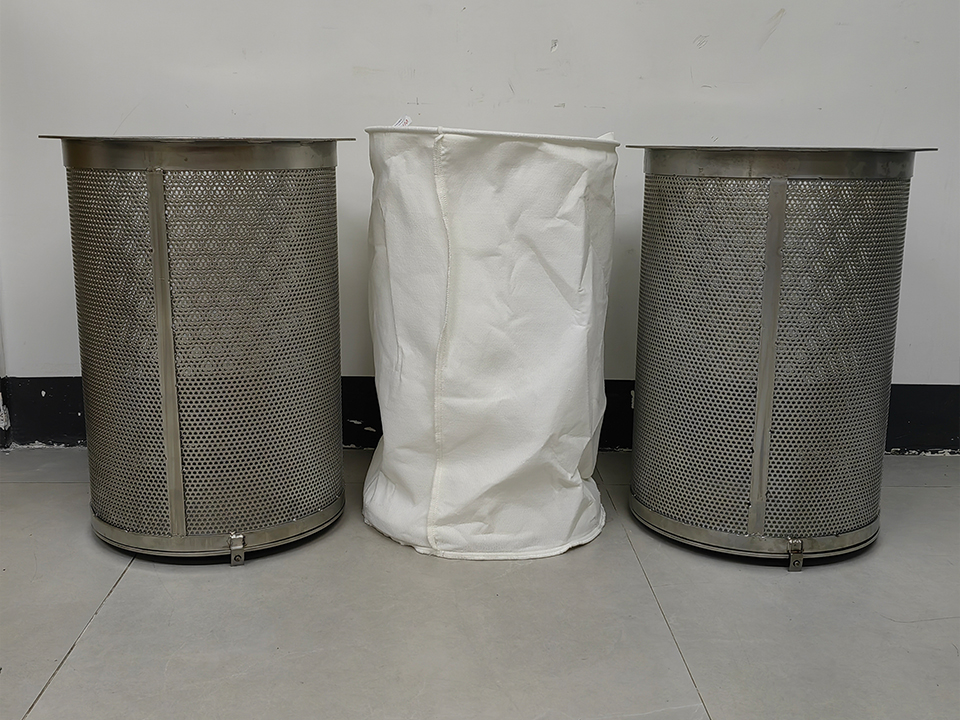
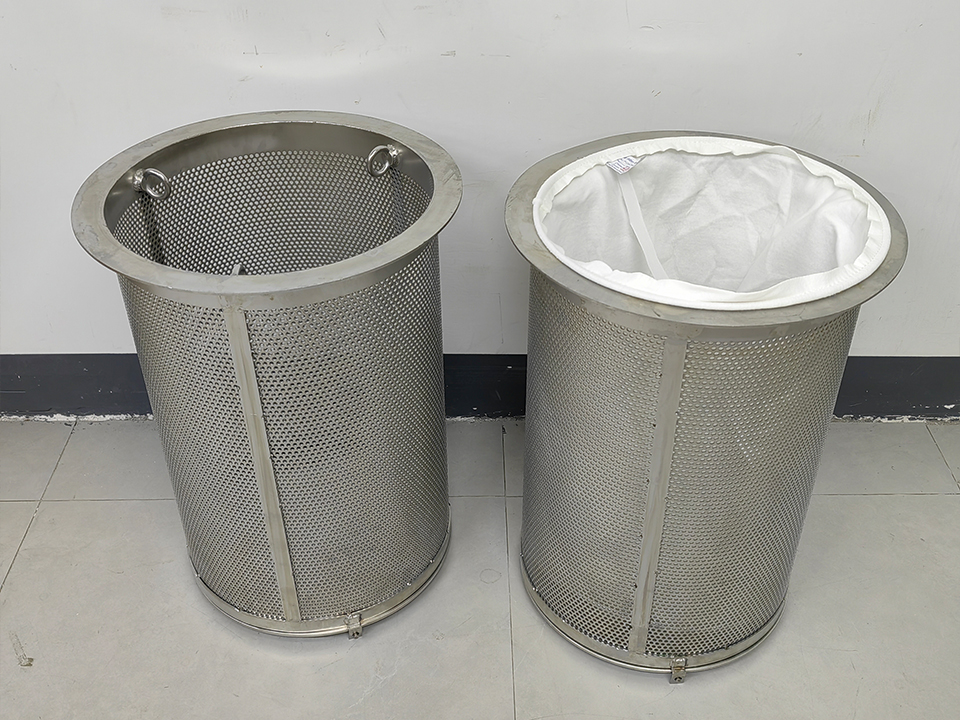
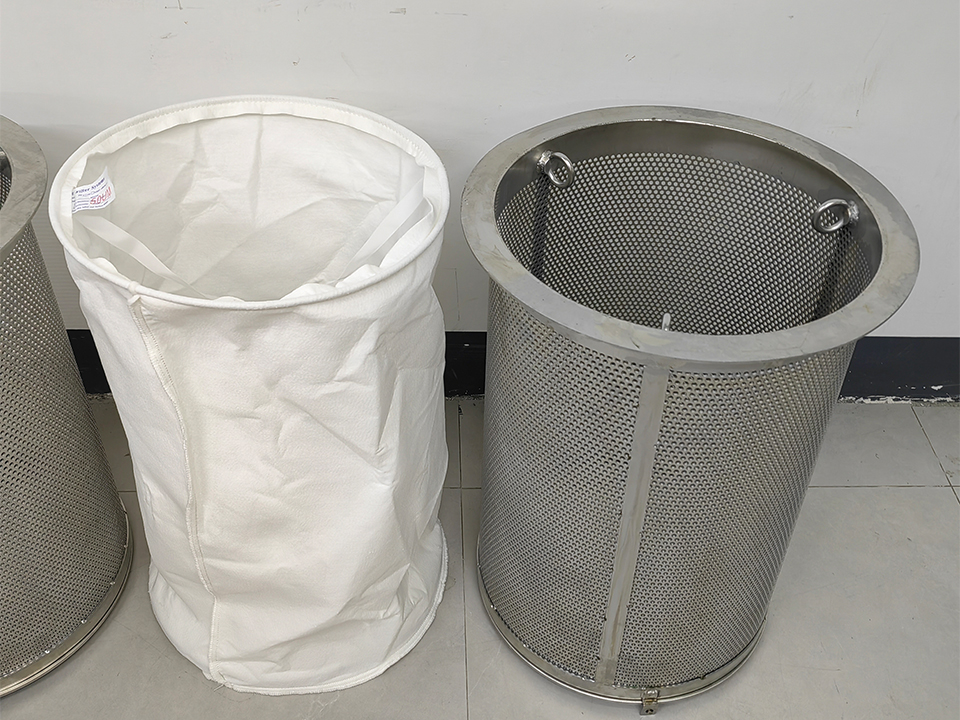
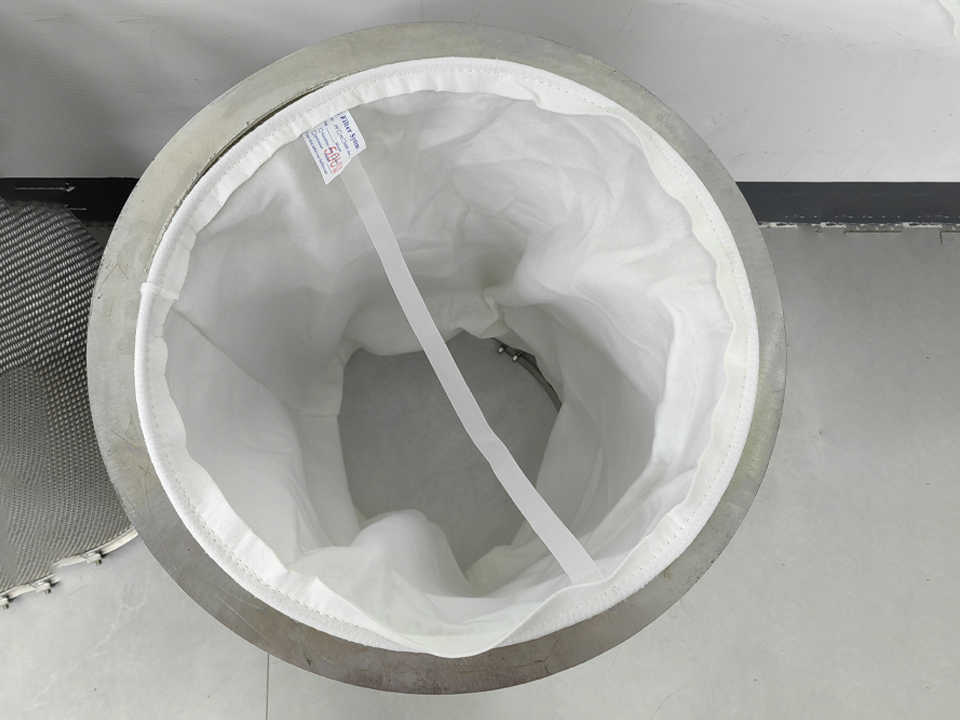
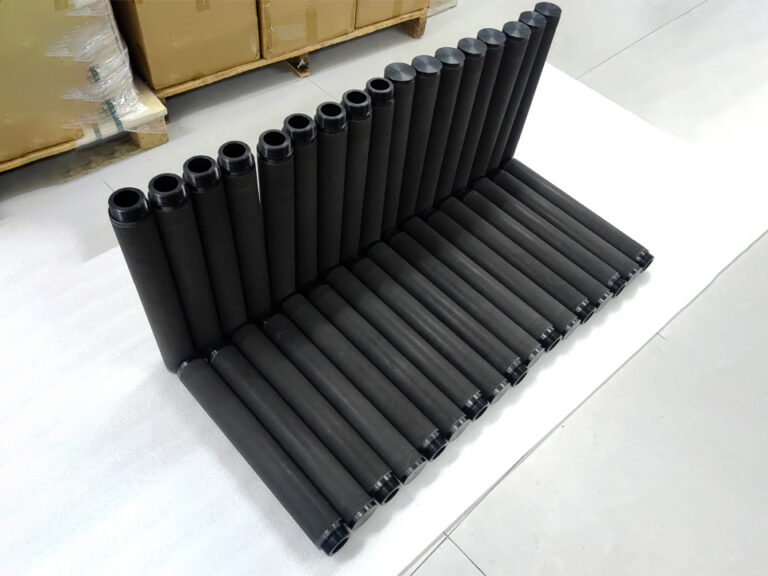
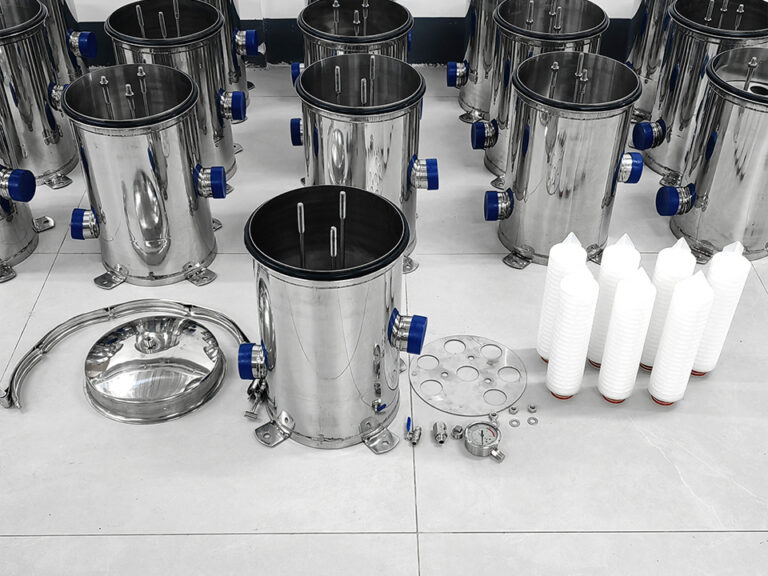
Guangzhou Lvyuan Water Purification Equipment Co., Ltd. é um fabricante de filtros industriais fundado em 2009 que projeta e fabrica carcaças de filtro de aço inoxidável, tanques de água estéril de aço inoxidável, elementos de filtro, sacos de filtro, materiais de ultra-polímero e produtos de filtro sinterizado. Os compradores escolhem a Lvyuan devido ao apoio OEM/ODM, ao controlo de qualidade ISO9001 e às certificações de vários países.
Guangzhou Lvyuan Water Purification Equipment Co., Ltd.
Rompimento e desvio do saco de filtragem: causas e prevenção
Mas quando ocorre uma ruptura do saco filtrante, a descrição no registo de manutenção acaba normalmente por ser suavizada para algo inofensivo: “ruptura inesperada”, “erro do operador”, “desgaste normal” ou, a minha favorita, “fadiga do material”, que muitas vezes é apenas uma forma educada de dizer que ninguém monitorizou a tensão, a composição química, a compressão de fixação ou o uso indevido durante a limpeza, até que o sistema de recolha começou a expelir sólidos a jusante.
Então, o que foi que deixou de funcionar primeiro?
Essa é a questão delicada. Porque a falha do saco de filtro não é um acontecimento isolado. É uma cadeia de eventos. O saco rasga-se devido ao facto de a gaiola estar dobrada. A gaiola está curvada porque o último fecho foi feito à pressa. Os picos de tensão diferencial devem-se ao facto de a válvula de pulso estar a disparar como um martelo. O desvio ocorre porque a vedação da placa tubular nunca foi corretamente assente. E o operador só repara nas fugas nos sacos filtrantes do sistema de recolha de poeiras depois de o produto já estar contaminado, de a chaminé estar enevoada ou de o filtro de polimento a jusante estar sobrecarregado.
A dura realidade: a maioria das falhas “repentinas” já era visível dias antes.
O que significa, na verdade, a ruptura de um saco de filtro
A ruptura de um saco filtrante consiste no rasgo, desgarro, descolamento ou deformação grave de um saco filtrante sob tensão mecânica, pneumática, térmica ou química. Num filtro de mangas, isso implica normalmente que as partículas encontraram um caminho direto através ou à volta da barreira de filtragem; na purificação de líquidos, o mesmo tipo de falha manifesta-se como colapso do cartucho, desvio da junta, fuga na tampa terminal ou falha na vedação do invólucro.
O lado obscuro do sucesso.
Nos sistemas de ar, os indícios manifestam-se normalmente sob a forma de uma nuvem de poeira no lado limpo, análises de PM com valores elevados, problemas imprevisíveis de pressão diferencial no filtro de mangas ou um alarme de deteção de fugas nas mangas. Nos sistemas de fluidos, o problema parece muito menos significativo, mas tem um custo igualmente elevado: aumento gradual da turbidez, dispersão de partículas, colapso da queda de pressão, paragem do controlo de qualidade, incrustação da membrana e gestores de produção furiosos a perguntar por que razão um sistema de “5 mícrons” permitiu a passagem de contaminação visível.
Um filtro não é uma barreira mágica. É um limite sujeito a pressão. Respeita esse limite, ou ele irá certamente castigar-te.
O «bypass» é ainda pior, uma vez que parece típico
O desvio do saco filtrante consiste na passagem de poeira, sólidos ou contaminantes líquidos à volta do meio filtrante, em vez de através dele. Ao contrário de uma fuga dramática, o desvio pode ocorrer silenciosamente devido a juntas defeituosas, fixação inadequada, colares soltos, placas tubulares danificadas, caixas rachadas, tampas das extremidades deformadas ou vedantes de dimensões insuficientes que parecem adequados durante a montagem, mas que apresentam fugas sob condições reais de esforço.
É aqui que muitas plantas se iludem.
A escala de pressão parece aceitável. O caudal parece adequado. O operador verifica o registo. No entanto, o lado limpo está contaminado porque o filtro nunca constituiu um obstáculo eficaz. O contaminante seguiu o caminho mais fácil: contornou o saco, passou pelo colar, atravessou o espaço vazio da junta ou passou por baixo de uma superfície de fixação deformada.
Não confio na expressão “configurado corretamente”, a menos que a superfície de vedação, a carga de compressão, a geometria do espaço disponível e o contorno da pressão de arranque estejam em concordância.
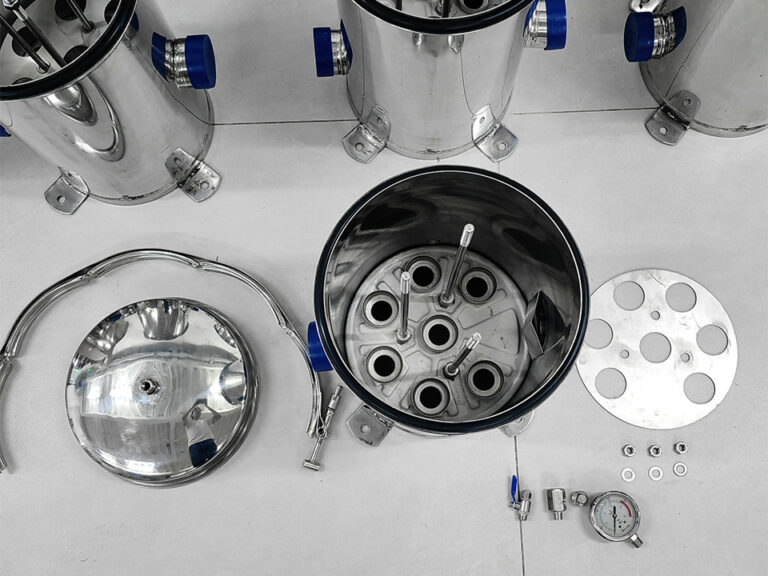
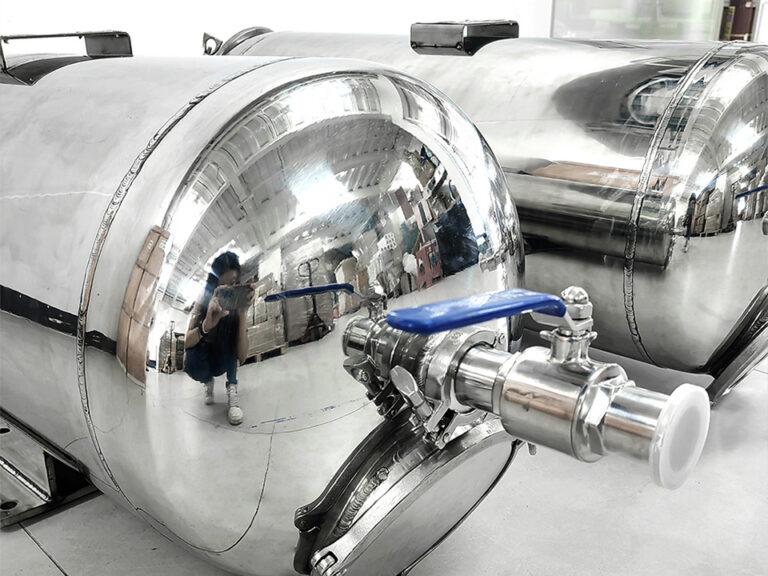
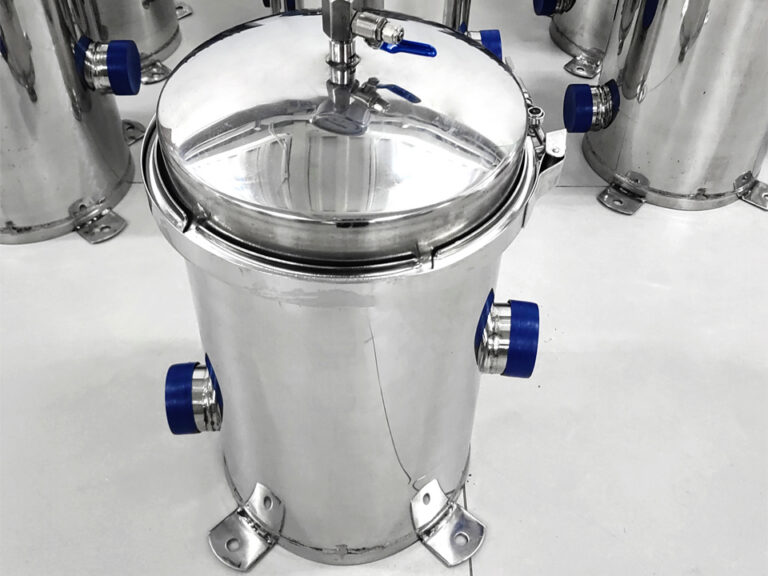
No caso das cadeias de filtragem de fluidos, nomeadamente quando as caixas e os cartuchos constituem as últimas etapas do processo, aplica-se o mesmo conceito. Uma combinação adequada Filtro de água em aço inoxidável com cartucho filtrante é importante, uma vez que o desvio é, normalmente, uma questão relacionada com o equipamento antes de ser um problema relacionado com o suporte.
As 7 razões que eu analisaria inicialmente
1. Excesso de pressão e utilização indevida da limpeza por impulsos
Uma pressão excessiva não se limita a “desgastar” um saco. Altera o comportamento do tecido.
A limpeza por jato pulsado, quando devidamente ajustada, elimina a camada de resíduos sem danificar o filtro ao ponto de o tornar inoperacional. Quando ajustada de forma excessiva, envia ondas de choque repetidas através do saco, deforma as juntas, distorce as estruturas de suporte, abre pequenos orifícios e acelera o desgaste junto ao colar e à faixa de fixação. Se a isso se juntar humidade elevada, CaCO₃ pegajoso, TiO₂, amido, resíduos de fornos de betão, negro de fumo ou sais higroscópicos, o saco acaba por se tornar um componente mecânico submetido a tensão, em vez de um filtro passivo.
O indício revelador não é uma pressão constantemente elevada. Por vezes, é uma pressão instável: 3,5 in. w.g. às 9h00, 7,8 in. w.g. às 10h15, 4,1 in. w.g. após a pulsação, seguida de uma queda repentina quando o saco se rompe. Essa queda é um mau sinal. Pode indicar que o sistema acabou de criar um furo.
2. Geometria de fixação negativa
Os problemas de vedação dos sacos de filtro são cansativos, até se tornarem dispendiosos.
Fitas de fixação mal encaixadas. Gaiolas a roçar no tecido. Braçadeiras gastas. Tubos Venturi rachados. Placas tubulares deformadas. Firmeza incorreta da junta. Tamanho incorreto do saco. Uma tampa que fecha “quase” nivelada. Na purificação, «quase» equivale a uma fuga.
Prefiro que uma fábrica dedique mais uma hora a examinar a compressão das juntas do que passe três dias a tentar identificar a origem de uma contaminação em equipamentos a jusante.
3. Agressão química e incompatibilidade de temperatura
A escolha do meio filtrante é o ponto em que os grupos de aquisição costumam sabotar silenciosamente os procedimentos.
O poliéster não suporta bem determinadas condições de alta temperatura e hidrólise. A aramida resiste muito melhor ao calor, mas pode ser afetada em ambientes ácidos. O PPS pode resistir a várias aplicações com gases de combustão a altas temperaturas, mas não é uma solução universal. A camada de membrana de PTFE melhora a purificação superficial, mas pode revelar-se insuficiente se o tecido de suporte, a estrutura ou a potência de limpeza forem inadequados. O polipropileno tem um bom desempenho em muitas aplicações com fluidos, mas deve ser avaliado em função da compatibilidade com oxidantes, solventes, temperatura e pH.
A química vence.
Um filtro que lida com SiO₂ completamente seco a 80 °C pode deixar de funcionar rapidamente quando humidade, SO₂, HCl, resíduos de NaOH ou deterioração do ponto de orvalho ácido se introduzem no processo. Além disso, na purificação de água ou no setor biofarmacêutico, um cartucho inadequado pode inchar, amolecer, obstruir-se ou libertar partículas diretamente para o fluxo.
É por isso que gosto de adequar a química do processo aos meios antes de falar de custos. Para soluções fluidas de alto rendimento, um cartucho de filtro de água de alto caudal para aplicações biofarmacêuticas deve ser abordado na discussão logo após terem sido esclarecidas as questões da compatibilidade, da taxa de circulação e das metas de retenção.
4. Abrasão causada pela velocidade e por um design inadequado da entrada
O pó abrasivo não requer autorização.
Se o caudal de entrada for demasiado elevado, ou se o fluxo de gás sujo incidir diretamente sobre uma secção do filtro de mangas, a primeira fila de mangas acaba por funcionar como uma barreira de sacrifício. Irá observar desgaste localizado: marcas brilhantes da gaiola, cortes verticais, pequenos orifícios perto da entrada ou filtros que deixam de funcionar exatamente na mesma zona a cada ciclo de substituição.
Isso é sorte aceitável. Isso é uma marca de estilo.
Defletores, caixas de separação, difusores de entrada, padrões de enchimento da tremonha e a questão da proporção ar-tecido. Se uma área estiver sempre a gastar os sacos muito mais depressa do que as outras, pare de culpar o fornecedor dos sacos e comece a mapear o percurso do gás.
5. Humidade, condensação e acumulação de sujidade pegajosa
A humidade transforma a sujidade comum em cimento.
Uma camada seca de sujidade pode ser limpa. Uma camada húmida e pegajosa obstrui o meio filtrante, aumenta a tensão diferencial, provoca pulsações indesejáveis e gera fadiga mecânica. Em aplicações com betão, alimentos, madeira, biomassa, carbono e pós químicos, a humidade também pode favorecer a corrosão ou o desenvolvimento microbiano, dependendo do processo.
É aqui que está o registo de manutenção. Não é a versão limpa. É a versão real.
Houve um arranque a baixas temperaturas? O processo decorreu abaixo do ponto de orvalho? O ar comprimido transportava humidade? O aquecedor da tremonha estava desligado? A unidade funcionou com carga parcial durante a noite? Estas questões parecem insignificantes até que os sacos comecem a rasgar-se em massa.
6. Utilização de um meio filtrante inadequado para o enchimento com fragmentos
Um saco ou cartucho filtrante tem de ser compatível com a distribuição granulométrica, a densidade de enchimento, o caudal, a viscosidade, a temperatura, as características químicas e o método de limpeza. Quando tal não acontece, o sistema fica obstruído prematuramente ou deixa passar poluentes.
É essa a armadilha.
Um valor de classificação baixo pode parecer apelativo no papel, mas revelar-se ineficaz na prática devido ao facto de o contaminante ser deformável, oleoso, eletrostático, de granulometria grossa ou submicrónico. Um cartucho “económico” pode acabar por se tornar dispendioso quando reduz os intervalos de substituição, aumenta a carga nas bombas ou permite que as partículas finas se desloquem a jusante.
Na purificação e pré-filtragem da água, compararia certamente os elementos plissados, os elementos de profundidade do tipo «melt-blown» e os elementos em aço inoxidável com base no ciclo de funcionamento. A Cartucho filtrante plissado em PP para purificação oferece uma área maior para várias tarefas de iluminação, enquanto um Cartucho filtrante de PP fabricado por sopro de material fundido para uso comercial normalmente faz sentido para uma filtragem económica em profundidade, em que a carga é elevada e há questões relacionadas com o preço dos substitutos.
7. A autópsia não revelou qualquer anomalia grave
A mala danificada é a prova.
Muitos grupos deitam-no fora.
Isso é um erro. Uma costura rasgada, uma superfície vitrificada, um tecido fragilizado pelo ácido, uma linha da gaiola desgastada, pó no lado limpo, uma junta solidificada ou uma fita de encaixe esticada podem indicar se a causa principal foi térmica, química, mecânica, operacional ou relacionada com a instalação. Se não verificar a peça que deixou de funcionar, estará apenas a comprar mais uma avaria com uma data de faturação nova.
Blowout vs. bypass: tabela de diagnósticos médicos da região
Modo de falha
O que se vê
Causa provável
Dados a analisar
Evitar a mudança
Rompimento do saco filtrante
Saco rasgado, lançamento repentino de sujidade, queda acentuada da pressão
Sobrepressão, danos na gaiola, limpeza por impulsos agressiva
Padrão de tensão diferencial, frequência do pulso, pressão atmosférica medida
Reajustar o ciclo de impulsos, inspecionar as gaiolas, verificar a tensão de funcionamento
Derivação do saco de filtragem
Contaminação, independentemente do estado do meio de cultura
Vedação defeituosa, placa tubular deformada, compressão inadequada da junta
Sujidade no lado limpo, partículas em suspensão, inspeção das juntas
Recolocar os sacos, substituir as juntas, verificar se a carga está bem presa
Fugas graduais nos sacos de filtro para entusiastas do pó
Aumento das emissões de gases de escape ou sujidade visível no lado limpo
Pequenos orifícios, abrasão, danos causados por produtos químicos
Efeito BLDS, retroalimentação triboelétrica, verificações de opacidade
Substituir os sacos usados, melhorar a distribuição na entrada, atualizar os meios filtrantes
Elevada tensão diferencial
Fluxo reduzido, pulsações frequentes, aumento do consumo de energia
Ofuscante, humidade, camada de pó pegajosa
ΔP log, ponto de orvalho, ar comprimido de alta qualidade
Ar seco, controlo da humidade, reajuste dos valores de referência de limpeza
Baixa tensão diferencial após o arranque
Um fluxo de ar suspeitamente fácil
Saco em falta, saco fraturado, via de derivação aberta
Inspeção do lado limpo, matéria fragmentada
Desligar o sistema, examinar a placa tubular e as juntas
Falhas repetidas no mesmo local
Os sacos deixam de funcionar numa fila ou numa zona
Velocidade de entrada, abrasão, má distribuição do fluxo
Mapa do saco, tipo de entrada, carregamento do recipiente
Incluir defletores, percurso de circulação correto, zonas de equilíbrio
A situação económica incómoda resultante da falha dos sacos de filtragem
A avaria de um saco de filtro quase nunca é avaliada com honestidade.
O saco de substituição é barato. O verdadeiro custo está oculto no tempo de inatividade, na mão-de-obra, na eliminação de resíduos, na perda de artigos, no lançamento falhado de um conjunto, nos relatórios ambientais, na substituição de filtros a jusante, no tempo de limpeza e nas reuniões de acompanhamento, onde todos fingem que isto era impossível de prever.
Nos sistemas de ar controlados, a deteção de fugas nos sacos não é uma opção viável. Tanto o documento da EPA de 2023 sobre as melhores práticas para a deteção de fugas nos sacos como a legislação governamental em matéria de vigilância apontam para um facto simples: as fugas de partículas exigem atenção constante, e não uma rotina superficial realizada apenas quando a chaminé já apresenta sinais de problema.
Em ambientes com poeiras inflamáveis, os riscos são ainda mais graves. A diretiva da OSHA de 2023 relativa ao pó inflamável teve em conta que a madeira e os alimentos representaram aproximadamente 70% dos produtos associados a incêndios e explosões causados por pó inflamável em 2018. Isso não significa que cada fuga num filtro de mangas resulte numa explosão. Significa, sim, que o controlo negligente do pó não é apenas um problema de limpeza.
Preferiria, por acaso, esclarecer uma substituição de filtro já agendada ou um registo de caso?
Como evitar que o saco de filtro avarie antes mesmo de começar
Crie um perfil de pressão, não uma rotina de esforço
Não se limite a registar a tensão diferencial. Analise-a.
Uma única análise não nos diz praticamente nada. Um gráfico de contorno indica se o sistema está a cegar, a apresentar fugas, a pulsar em excesso, a limpar insuficientemente ou a desviar o fluxo. Quero registos diários da ΔP no arranque, em estado estável, após a limpeza e no encerramento. Em aplicações de risco, quero uma vigilância contínua associada a alarmes e atividades de manutenção.
Eis a verdade nua e crua: uma queda brusca da pressão pode ser mais suspeita do que um pico de pressão.
Verifica as juntas como se elas te devessem dinheiro
Os colares, as faixas de separação, as braçadeiras, as juntas, os anéis O-ring, as tampas das extremidades dos cartuchos, as tampas das caixas, as placas de tubos e as superfícies de assentamento não são dispositivos. Constituem o sistema de contenção.
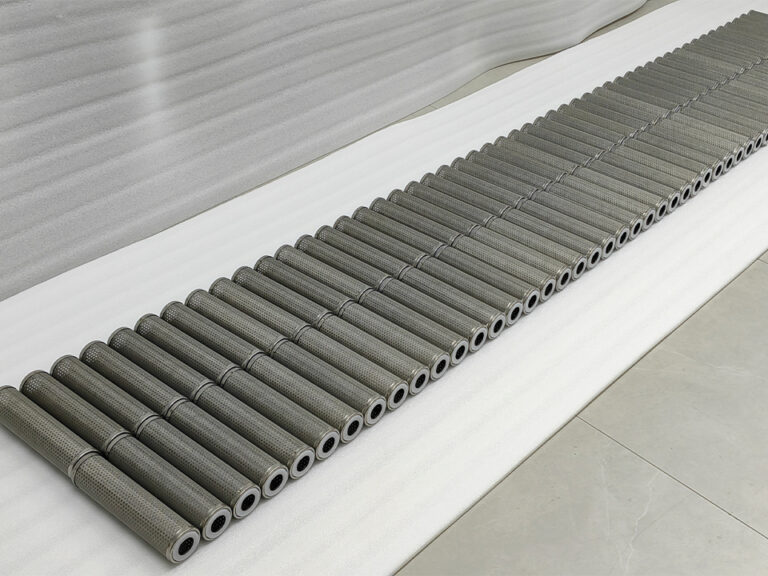
No que diz respeito à filtragem de líquidos, nomeadamente em caixas de aço inoxidável, não misture cartuchos, tampas e caixas de forma aleatória. Adapte a geometria. Adapte as juntas. Ajuste a compressão. Se a tarefa exigir meios filtrantes metálicos laváveis ou rígidos, Aspectos relacionados com os filtros de aço inoxidável para purificação podem proporcionar resistência e reutilização nos casos em que os cartuchos de polímero não são a solução adequada.
Deixa de comprar filtros pelo preço unitário
Os filtros baratos costumam ser de baixo custo. Muitas vezes, são apenas uma falha adiada.
A questão mais relevante na aquisição não é “qual é a tarifa mais baixa por saco ou cartucho?”, mas sim “qual é o custo por hora de funcionamento limpo ao nível de eficiência pretendido?”. Esse cálculo inclui a mão-de-obra necessária para a substituição, a queda de pressão, o consumo de energia, os resíduos, a perda de produto, o risco de contaminação e a frequência de avarias.
Gosto de cartuchos plissados quando a superfície e a maior vida útil justificam o custo. Prefiro cartuchos de fibra fundida quando a carga de poeira é elevada e a economia da empresa justifica a substituição. Prefiro componentes em aço inoxidável quando o calor, a tensão ou os ciclos de limpeza danificam os meios filtrantes de polímero. No entanto, não gosto de nenhum tipo de filtro escolhido sem dados do processo.
Recorra a uma filtragem organizada, em vez de uma purificação «heroica»
Não se deve esperar que um único filtro faça todo o trabalho.
Um sistema bem organizado pode recorrer a pré-filtração robusta, filtração em profundidade, filtração de acabamento com filtros plissados e filtração final por membrana. No que diz respeito à recolha de impurezas, o raciocínio é semelhante: disposição da entrada, controlo de resíduos, meios filtrantes adequados, capacidade de limpeza adequada e deteção de fugas. Nos sistemas de fluidos, a filtração bem organizada protege os meios filtrantes dispendiosos a jusante e minimiza a tensão de pressão de desvio.
Para trabalhos de depuração de águas ou de pré-tratamento industrial, uma opção de menor custo Filtro de água em PP para sistemas de purificação de água pode fazer sentido como fase de proteção quando não lhe é exigido que realize trabalhos de polimento final, algo para o qual nunca foi concebido.
Realizar sempre uma análise pós-falha
Corte o saco com falha para o abrir. Tire-lhe uma fotografia. Identifique o local da falha. Examine a gaiola. Verifique a vedação. Verifique a camada de pó. Inspecione os parâmetros químicos. Verifique a evolução da pressão. Verifique a data de instalação. Verifique as notas do operador.
Então, coloque a questão incómoda: será que o filtro deixou de funcionar, ou foi o sistema que o fez deixar de funcionar?
Na maioria das vezes, era o sistema que tratava disso.
Lista de medidas preventivas para as equipas de manutenção
Ponto de controlo
Ações-alvo
Indicação
Atividade
Stress diferencial
Banda de funcionamento segura
Aumento repentino ou queda inesperada
Verifique se há cegamento, fuga ou rasgo
Limpeza por impulsos
Retira o bolo sem desperdício de material
Passeios rápidos de bicicleta, trabalho intenso, vida útil curta da mochila
Alterar a tensão e o período do pulso
Compressão da vedação
Além disso, assentos repetíveis
Pó que passa pela gola ou pela junta
Substituir as juntas, verificar o encaixe
Condições da gaiola
Liso, reto, sem corrosão
Marcas de atrito, cabos danificados, estruturas torcidas
Substituir as gaiolas antes de colocar os sacos novos
Controlo da humidade
Fluxo de gás seco ou de fluido compatível
Bolo pegajoso, corrosão, inchaço
Regulação do ponto de orvalho, drenos e secadores de ar
Escolha do meio de comunicação
Compatível com temperatura, pH, sólidos e circulação
Tecido frágil, cartucho macio, perda de visão muito precoce
Especificações do meio de ajuste
Avaliação do lado limpo
Sem poeira nem sólidos a jusante
Rasto de poeira, variação na contagem de fragmentos
Desligue e verifique imediatamente
Registos de falhas
Distribuição por compartimento e data
A mesma zona repete-se
Verificar a circulação na entrada e a instalação
FAQ
O que provoca a ruptura do saco filtrante?
A ruptura do saco de filtragem é provocada pela ruptura mecânica ou pelo desprendimento do saco, após tensões, abrasão, agressões químicas, gaiolas defeituosas, humidade ou uma limpeza por impulsos inadequada enfraquecerem a barreira de purificação. Os sinais mais evidentes são uma alteração abrupta da diferença de pressão, presença de sujidade no lado limpo, falhas repetidas numa mesma zona e rasgos visíveis junto às costuras ou aos colares.
A maioria das falhas não é invulgar. Em primeiro lugar, verificaria a pressão de pulso, o ajuste do saco à caixa, a abrasão na entrada, o ponto de orvalho e se o saco estava corretamente encaixado. Se a mesma área continuar a apresentar falhas, o processo está a indicar-lhe onde o projeto ou a instalação estão incorretos.
O que é o desvio do saco de filtro?
O desvio do saco filtrante consiste na passagem de poluentes à volta do meio filtrante através de uma via de fuga, como uma junta defeituosa, um colar solto, uma placa tubular deformada, um invólucro rachado, um cartucho deslocado ou uma vedação por compressão inadequada. O filtro pode parecer intacto, mas o sistema continua a deixar passar poeira, sólidos ou partículas para a fase a jusante.
O desvio é perigoso porque, muitas vezes, passa despercebido por trás de leituras normais de caudal e pressão. A solução nem sempre é um filtro melhor. Muitas vezes, a solução passa por um equipamento com melhor vedação, o tamanho certo do cartucho, uma junta nova ou uma peça que, de facto, mantenha a compressão sob toneladas de pressão.
Como é que posso evitar, exatamente, que o saco filtrante avarie?
É possível evitar a avaria do saco filtrante regulando a tensão diferencial, escolhendo o meio filtrante adequado à composição química e à temperatura, inspecionando as estruturas de suporte e as juntas, evitando o entupimento causado pela humidade, ajustando a limpeza por impulsos e registando todos os padrões de avaria. Um filtro deve ser tratado como parte integrante de um sistema de pressão, e não como uma manga de tecido não reutilizável.
O procedimento funcional é simples: analisar a tensão da corrente, verificar a contaminação no lado limpo, identificar falhas por compartimento e avaliar a qualidade da instalação. Se um saco apresentar falhas duas vezes no mesmo local, pare de substituir os sacos e comece a investigar o fluxo de ar, a abrasão, a geometria da vedação e as alterações no procedimento.
Quais são os indicadores de fugas nos sacos filtrantes de um sistema de recolha de poeiras?
As fugas nos sacos filtrantes dos coletores de poeira manifestam-se sob a forma de poeira no lado limpo, descargas visíveis de poeira acumulada, aumento dos valores de partículas, alarmes de deteção de fugas nos sacos, contaminação imprevista do produto ou alterações repentinas na distribuição da pressão, sem motivo justificado pelo processo. Uma queda acentuada da pressão pode indicar uma ruptura e não uma melhoria na circulação do ar.
A reação mais sensata consiste no isolamento imediato e na avaliação da situação. Não espere pelo próximo encerramento programado caso se verifique contaminação no lado limpo. O pó no lado errado do ventilador é uma prova disso, e a situação agrava-se à medida que a produção continua.
Por que razão surge o problema da tensão diferencial no filtro de mangas?
Os problemas de pressão diferencial no filtro de mangas devem-se ao facto de esta pressão demonstrar a dificuldade que o ar tem em atravessar a camada de filtro e o meio filtrante. Um aumento da pressão indica obstrução ou uma elevada carga de poeira, enquanto uma queda abrupta da pressão pode sugerir uma rutura, mangas em falta, um desvio ou uma fuga significativa.
Uma curva de tensão estável não é apenas uma questão de energia. É um indicador de bom funcionamento. Acompanhe-a em função das condições do processo, da frequência de pulsação, da qualidade do ar comprimido, da temperatura e da humidade. A curva de tensão revela frequentemente o que se passa antes de o saco deixar literalmente de funcionar.
Um cartucho inadequado ou um espaço inadequado podem causar um desvio?
A utilização de um cartucho ou corpo de filtro inadequado pode provocar um desvio de fluxo quando a tampa de conclusão, a junta, o comprimento, o diâmetro, a carga de compressão ou a superfície de vedação não correspondem às condições de funcionamento, dando origem a problemas de fluxo. Mesmo os meios filtrantes de alta qualidade podem deixar de funcionar se o espaço disponível permitir que líquidos ou sólidos contornem o filtro.
É por isso que a escolha do filtro deve ter em conta a geometria do invólucro e o método de fixação, e não apenas a classificação em mícrons. Nos sistemas de líquidos, a incompatibilidade entre o cartucho e o invólucro é uma das formas mais imperceptíveis de comprometer o desempenho de purificação, mesmo quando se pensa que o sistema está bem fixado.
Conclusão: deixem de encarar os reventões como mero azar
A falha do saco filtrante não é aleatória. Normalmente, não é.
É o stress, a química, a instalação, a vedação, a humidade, a abrasão, a cultura de manutenção e o autocontrolo nas compras a manifestarem-se num único momento desagradável. As instalações que se protegem contra a ruptura e o desvio dos sacos de filtro não têm sorte. Elas tomam melhores decisões. Analisam com mais rigor. Recusam-se a permitir que o “desgaste normal” se torne um pretexto para um mau controlo dos processos.
Se o seu sistema apresentar fugas nos sacos filtrantes do sistema de recolha de poeiras, pressão diferencial instável, colapso do cartucho ou desvio recorrente, não se limite a substituir a peça avariada. Reestruture a lógica do circuito de filtragem.
Precisa de ajuda para escolher os meios filtrantes, os elementos em aço inoxidável, os cartuchos plissados em PP, os cartuchos fundidos por sopro ou os componentes em aço inoxidável mais adequados às suas condições de funcionamento? Entre em contacto com a Lvyuan Filter e indique-nos o caudal, a pressão, a temperatura, o tipo de líquido ou poeira, a classificação de microns pretendida e os sinais e sintomas de avaria. A solução certa começa com as informações que ninguém quer recolher.